

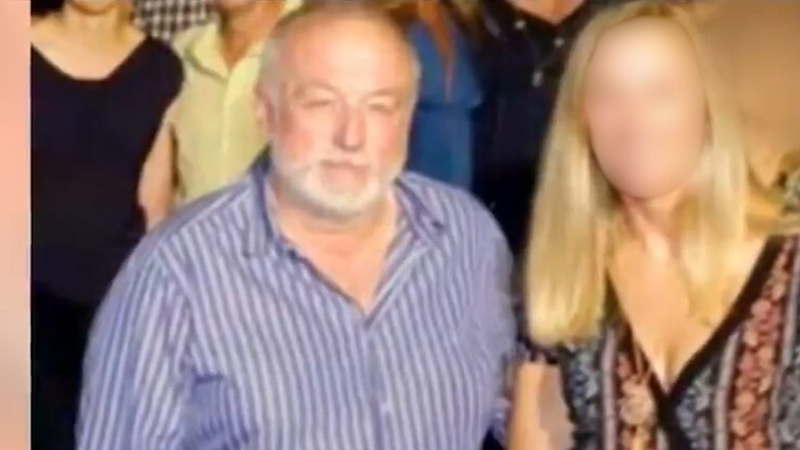
A coronial inquest into the murders of two Floreat women, shot dead by Mark Bombara in May 2024, has heard extraordinary evidence from a WA Police superintendent who said a system failure allowed Mark Bombara to keep his gun license.
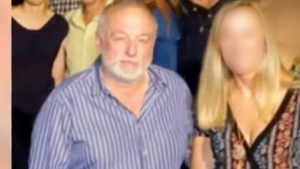
Bombara, 63, shot dead Jennifer Petelczyc, 59, and her daughter Gretl, 18, in their Floreat home while hunting for his wife and daughter Ariel following an acrimonious separation.
The Petelcyzc’s were killed by Bombara “by proxy” for his family members, before he turned the gun on himself and took his own life.
He legally owned 13 guns at the time, with Ariel raising concerns about the firearms to police weeks earlier during a domestic violence complaint, but no action was taken.
On the third day of the inquest, Superintendent Mark Gilbert, in charge of firearms licensing, told the coroner that Bombara’s gun license was incorrectly automatically renewed for nearly two decades due to a “system error”.
“You say in your report he should not have had the benefit of those renewals from 2009 and every three years after,” counsel assisting the Coroner Rachael Young asked Gilbert.
“It should have been flagged and renewed, but it didn’t happen … he should not have had his license automatically renewed.”
Gilbert said Bombara should not have had the Glock 45 that he used to murder the Petelczyc women “without justification” before explaining that justification was never sought.
“WA Police failed to put a process in place that was sufficient to … make sure those processes took place,” he said.
Before those automated renewals, Gilbert told the inquest that in November 2003, Bombara wrote a letter to WA Police in regards to changes to the firearms licensing rules, requesting he be allowed to retain his Glock 45, the same gun he used to kill the Petelczyc women.
“While I have an interest in other handguns, nothing comes close to the satisfaction that I have in handling, stripping down, cleaning, maintaining and where possible firing my Glock handgun,” Bombara wrote.
He also described himself as a “Glock enthusiast”.
Gilbert looked extensively into Bombara’s firearms licensing history and prepared a report for the coroner ahead of the inquest.
When asked if any consideration had been given to whether the firearms licensing system was “fit for paper” he said he saw no evidence of any discussion papers or memorandums.
Asked whose job it would have been to look at whether the system was working, he said it would have been the superintendent that was in place at the time, before acting state coroner Sarah Linton asked, “it goes all the way up to the Commissioner, doesn’t it?”
“Is it correct that this auto-renewal system was not recognised as a problem until after the deaths of Gretl and Jennifer?” Young then asked.
“Correct,” Gilbert responded.
“It was an omission of some 19 years?” she asked.
“Yes,” he replied.
“Do you agree that is an extraordinary omission?” she said.
“Yes,” he responded.
Gilbert also told the inquest that when amendments were made the Firearms Act in 2005, information about those amendments was never communicated to firearms holders.
“What we did find is some draft, undated correspondence, draft letters to collectors, and draft information sheets outlining the changes to the legislation consequential of the amendment act, but we could find no evidence that this had been communicated to the collectors,” he said.
“So when you say draft, you found no evidence that it was actually sent to anyone,” Young asked.
“No,” he replied.
Bombara’s murderous rampage sparked significant changes to WA’s firearms laws, including the automatic temporary confiscation of firearms if there is a domestic violence complaint lodged, regular mental health checks for licence holders, and restrictions on who can own handguns.
WA Police now monitor all 66,000 gun license holders in the state on a daily basis looking for any alerts to changes that should trigger further investigation.
The Department of Health ‘red flag project’ also saw WA Police liaise extensively with health practitioners who implement a system that means doctors and health professionals can see when a patient has a gun license and therefore notify the authorities if they feel they are a threat to themselves or others.
Bombara, in the months before the shooting, had two strokes and was becoming increasingly aggressive. He was discharged from hospital despite the concerns of some medical professionals, who were not aware he possessed firearms.
The inquest continues.
Crisis support is available from Lifeline 13 11 14, or Beyond Blue 1300 22 4636.
From our partners
Read the full article here