




The Republican budget bill proposed by the House of Representatives could enforce major changes to Medicaid and SNAP, but there are also significant updates to federal student loans included in the bill.
The House Budget Committee has advanced the bill as a way to lower federal spending so that President Donald Trump’s tax cuts can be approved.
Why It Matters
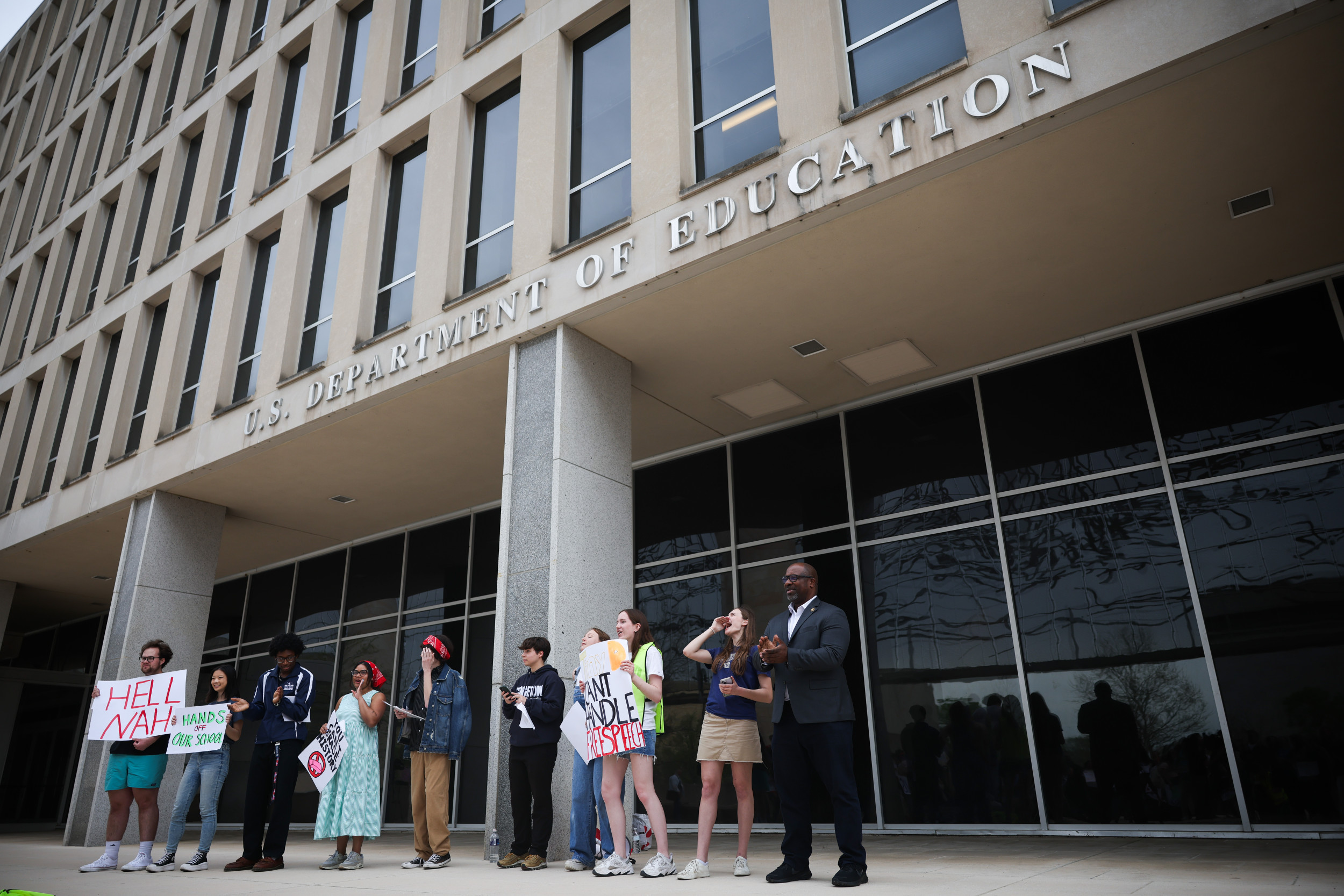
Under Trump’s new Education Department this year, many borrowers reported that their monthly payments for income-driven federal student loan repayment programs soared anywhere from $500 to $5,000.
Since 43 million Americans have some sort of student loan debt, changes to federal student loan options and payments could significantly affect the financial standing of many families. The Education Department reports Americans collectively have $1.5 trillion in student debt nationwide.
What To Know
Under the House bill, reforms to student loan repayment plans and Pell Grants would save roughly $330 billion, according to the House Education and Workforce Committee.
The budget proposed consolidating income-driven repayment plans into one repayment option. This includes the Income-Contingent Repayment Plan, Pay As You Earn (PAYE), and Saving for a Valuable Education (SAVE).
If passed, borrowers who begin taking on federal student loans after July 1, 2026 would choose between a standard repayment plan or the new Repayment Assistance Plan.
According to advocacy group Student Borrower Protection Center, this move would likely increase payments by nearly $3,000 a year for those enrolled in SAVE plans before it was paused by the courts.
There would also be no more monthly payment deferment for economic hardship or unemployment.
The amount of time you can spend in discretionary forbearance would also decrease to nine months from 12 months.
Many college students also would be unable to access the Pell Grant under the bill, as Republicans are asking to increase the full-time enrollment requirement to 30 semester hours from 24 semester hours each academic year.
There would also no longer be new Grad PLUS loans, and Parent PLUS loans would see increased restrictions.
No more subsidized loans for undergraduate students would be allowed after July 1, 2026. Previously, students were able to sign on for these types of loans, which do not accrue interest while the student is still in college.
One positive aspect of the bill for student loan borrowers is that the provision for tuition and direct student loan programs would be extended so that employers can continue contributing to both programs permanently.
Under the current law, this provision was set to expire after this year.
What People Are Saying
Tobin Van Ostern, co-founder of student loan platform Savi, told Newsweek: “By allowing employers to offer tax-free student loan repayment and tuition assistance, this policy empowers workers to upskill without taking on new debt and helps existing borrowers climb out from under it. Making this provision permanent provides the predictability employers need to build robust, long-term education benefits, and gives employees a meaningful path toward financial stability. We’ve seen consistent bipartisan support for strong education HR benefits, and we will continue to raise the voices of employees and borrowers throughout the legislative process.”
Kevin Thompson, the CEO of 9i Capital Group and the host of the 9innings podcast, told Newsweek: “If you’re currently on an IDR plan, your repayment structure could shift, and you don’t get to opt out. Then there’s the outright elimination of subsidized Stafford loans for undergrads and PLUS loans for graduate students starting July 1, 2026. That’s a big deal. These loans were a lifeline for a lot of students. Without them, college will be harder to afford, especially for first-gen and lower-income students. Expect enrollment numbers to drop. Expect the wealth gap to widen.”
Alex Beene, a financial literacy instructor for the University of Tennessee at Martin, told Newsweek: “Simply put, the changes if implemented would be some of the most drastic we’ve seen the federal government make to the student loan process. If passed, the revisions would eliminate many of the repayment options introduced under the Biden administration and simplify the process into two choices, both of which would result in higher payments for most borrowers.”
Michael Ryan, a finance expert and the founder of MichaelRyanMoney.com, told Newsweek: “The proposed Republican budget is basically taking a chain saw to student loan programs as we know them. It’s like they’re completely redesigning the landscape. Fewer repayment options, longer time to forgiveness, and schools having to put their money where their degrees are.”
What Happens Next
The budget bill will need to be approved by Republicans in the Senate as well as signed by Trump himself before becoming law.
While the bill could see major changes as it concerns student loan debt, borrowers would likely feel a major impact.
“Expect less funding, more repayments, and tougher access,” Thompson said. “This isn’t about expanding access, it’s about reducing the government’s student loan exposure. The writing’s on the wall: this administration is trying to scale back federal outlays so they can justify extending the Trump-era tax cuts. That’s the strategy.”
Read the full article here