



The top justification for buying Apple’s new HomeView, fourth-generation Apple TV 4K and HomePod Mini 2 is that these devices all have the processing power to handle Siri AI, the main addition to Apple Intelligence across Apple’s line of products.
But before you place your preorder (which is open now), take a look around your home – if you already own an older Apple TV 4K, you could save yourself quite a bit of RAMaggedon money by waiting, because Siri AI is also coming to some of the devices Apple replacing.
OK, let’s do Apple TV 4K one last time
The priciest hardware upgrade is the new fourth-generation Apple TV 4K, a $300 set-top box with the same name, design, resolution and most features of the third-generation model that was released in 2022. You’re paying for a faster A19 processor, internal microphones to pick up Siri commands and queries, 128GB of storage and an Ethernet port (the only configuration of this model).
It also comes with a revamped Siri Remote, which looks and acts like the previous one but has precision finding and a chime that can play when you’re using FindMy to figure out which piece of furniture is hiding it.
The second- and third-generation Apple TV 4K models don’t have the built-in mics or speedier chip, but Apple notes in the fine print of its Apple TV 4K press release that they will also get Siri AI when it’s available later this year. The footnote says it’s in the TVOS 27.2 beta. It will be available in the US, Australia, Canada, India, New Zealand, Singapore, South Africa and the UK in English.
And that new fourth-generation Siri Remote? It’s available separately for $59, shipping Nov. 13, and it will work with the Apple TV 4K models as well as the Apple TV HD.
HomePod Minis aren’t quite as lucky
My first question after Apple’s announcement was how well the new devices would play with current ones. If my living room is a mix of first- and second-generation HomePod Minis, would a “hey Siri” summon both Siri AI and what Apple is now calling Siri Classic? I’m doubtful anyone will outright replace their existing HomePod Minis, unless they want to drop $900 on four of the diminutive speakers plus a fourth-gen Apple TV 4K to set up Apple’s surround-sound environment. (We’ll have to see how that compares with a good soundbar setup.)
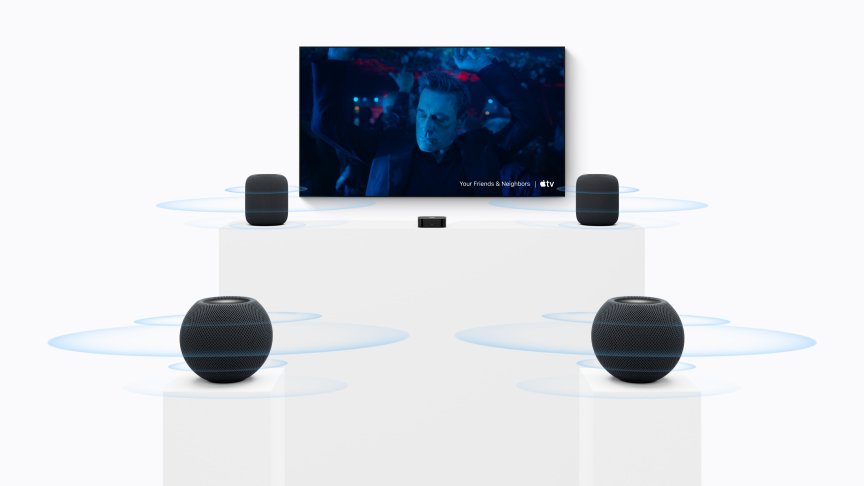
However, users of older HomePod Minis won’t be getting the more advanced Siri AI features. The HomePod Mini 2, with its faster S10 processor, is made to process Siri AI requests, and the same abilities won’t be available on older HomePods.
Just because Siri AI isn’t backwards compatible doesn’t mean you can’t mix and match HomePod Minis in a single setup. Basic Siri commands should still work, although we’ll have to test out arrangements to see how effective it is, since the newest HomePod Mini may have access to processing capabilities older models do not.
The iPad in the kitchen
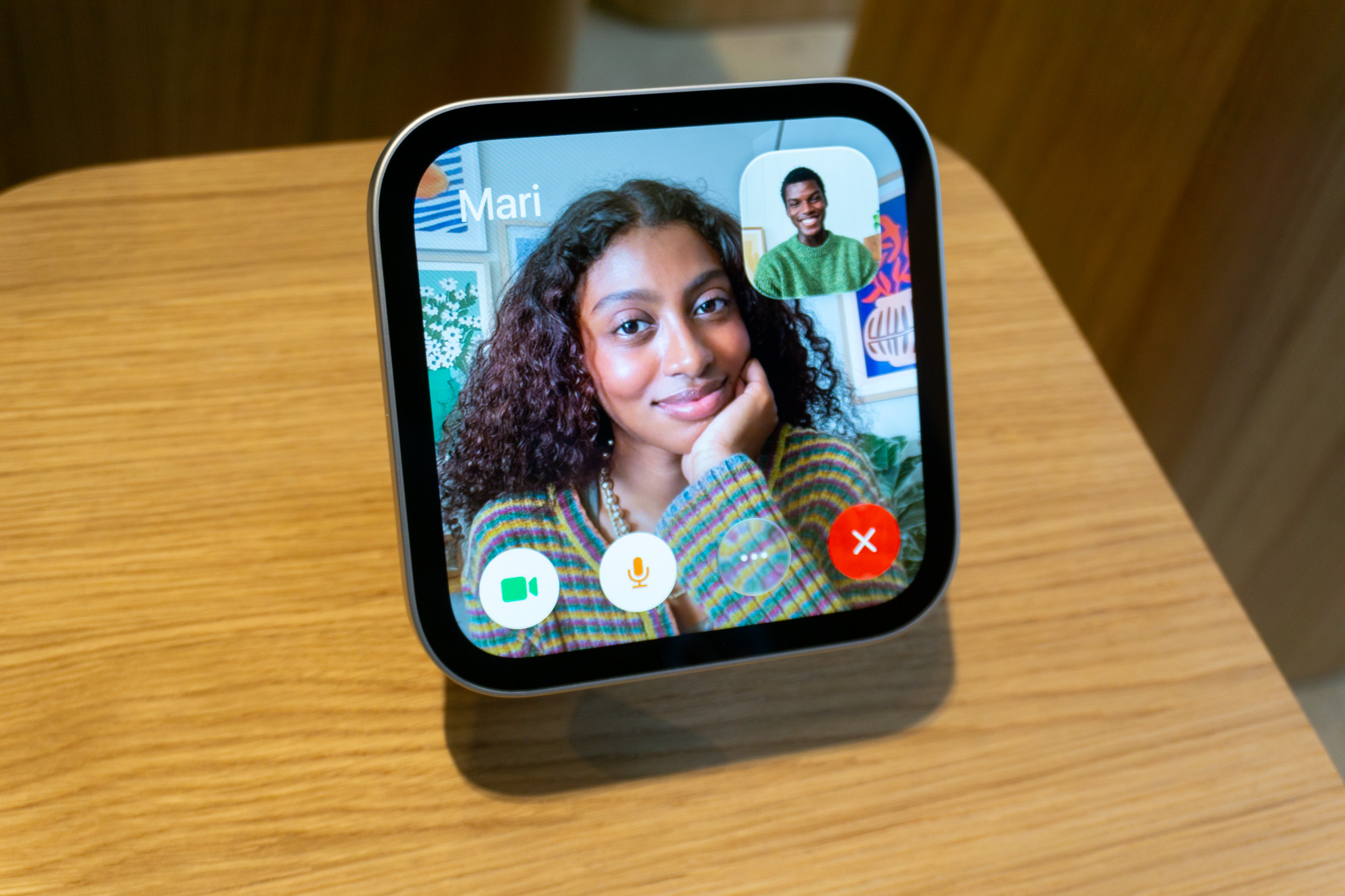
The HomeView is Apple’s first-generation smart device with a screen, and although its design is not as iMac G4-esque as we were hoping, its ability to securely interact with multiple family members is certainly interesting. And Siri AI is a major component of a smart device that’s most at home in a kitchen.
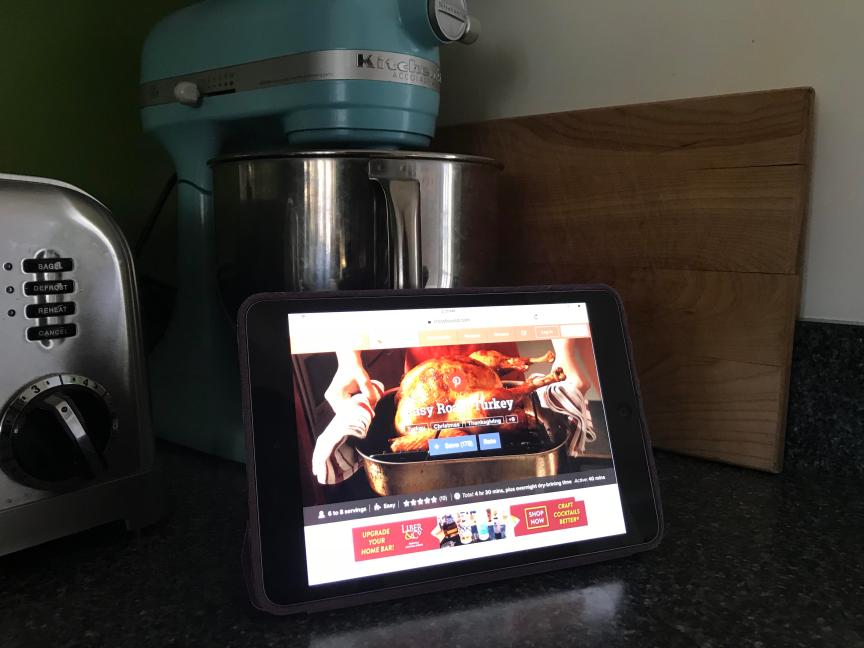
Except you may need to make room for it by moving your makeshift Apple kitchen helper: an iPad or iPad Mini that currently sits on an inexpensive stand – Apple’s tablets have held kitchen duties since they first arrived. You can use Siri to set timers and bring up recipes, make FaceTime calls and almost everything Apple demonstrated in its launch video. And later this year, it will get Siri AI if it’s an iPad Pro or iPad Air (M1 and later) or iPad Mini (with the A17 Pro chip). The iPad also doesn’t require a permanent power tether.
The Apple devices connecting them all
If Siri AI needs more processing power to run, how will today’s smart home devices – some of them years-old hardware – be able to keep up? All of them require owners using it nearby to have an iPhone (or iPad) capable of tapping into Siri AI. That includes iPhone 15 Pro and later models, plus the aforementioned iPads.

In fact, the HomeView’s ability to switch among up to six people in a household and deliver information that’s personal to them relies on each one having an Apple Intelligence-supported iPhone or iPad. It must be paired to the HomeView, on the same Wi-Fi network and recently unlocked. Maybe, along with the HomeView, everyone in the family gets upgraded to current iPhones to fully take advantage of it.
Will you really be able to get the new Siri AI features without buying new hardware?
To its credit, by extending Siri AI support, Apple isn’t completely outdating its current Apple TV 4K and HomePod Mini. If having a more interactive Apple TV with better gaming performance is important, or you’re thinking of expanding your HomePod Mini footprint in your house and can relocate current units to less-used rooms, then upgrading makes sense.
Overall, it seems Apple is playing a longer game, courting customers who want to go all-in to the Apple ecosystem – especially with the addition of Apple’s renewed push into the smart home with its Home Collection – or people who are finally ready to try this “smart home” concept and have the cash to build it out.
But if you have a smattering (or deluge) of current Apple home devices, you can wait and see how Siri AI works without footing the bill for new hardware.
Correction, 10:45 a.m. PT: The original story indicated Siri AI would be available on older HomePods. Apple confirmed that Siri AI will be available only on the HomePod Mini 2.

See full bio
Read the full article here