



NEWYou can now listen to Fox News articles!
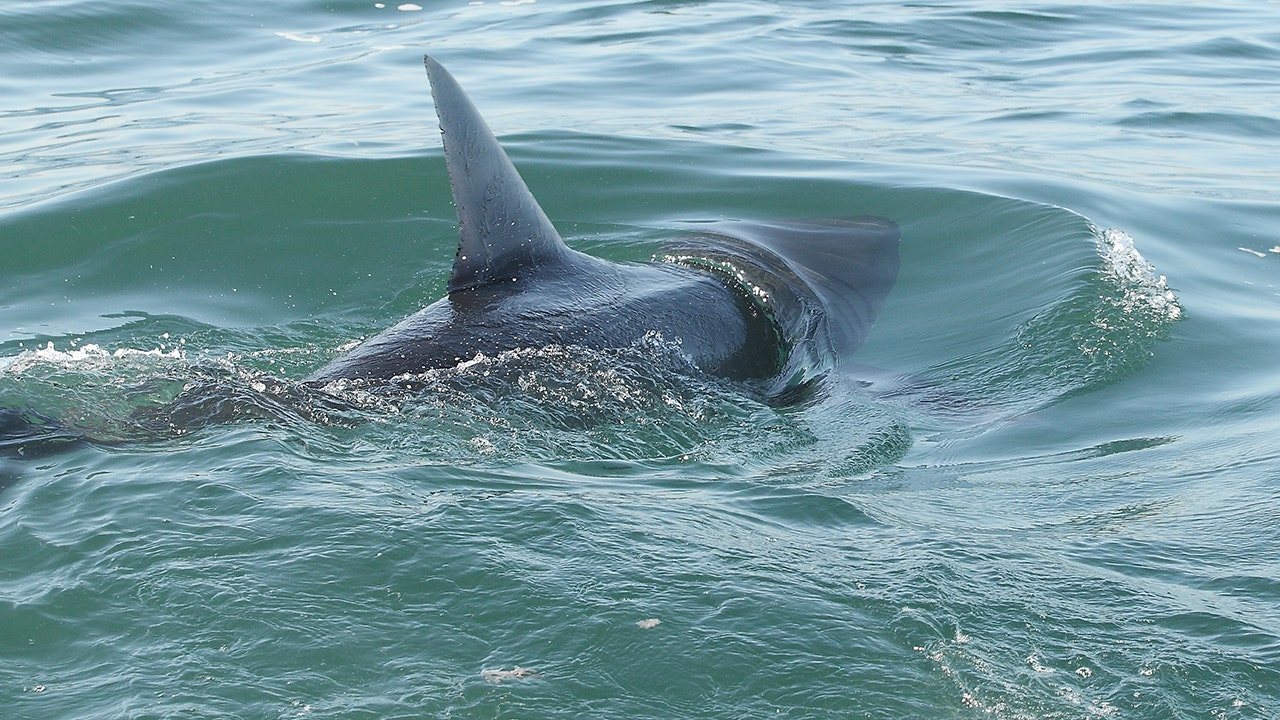
A surge in shark sightings and a swimmer’s shark bite have beachgoers on the East Coast on high alert.
A small sand tiger shark is likely what bit a man who suffered non-life-threatening lacerations to his foot while swimming at Jones Beach State Park Field 6 on Long Island over the Fourth of July weekend, the New York State Department of Environmental Conservation determined.
CLICK HERE TO DOWNLOAD THE FOX NEWS APP
The beach was temporarily closed while state officials searched for more sharks, but they reopened it to restricted swimming after an hour.
Days before, the New York City Department of Parks & Recreation (NYC Parks) alerted beachgoers to expect intermittent beach closures at Rockaway Beach in Queens, New York City’s largest beach, due to multiple shark sightings. According to NYC Parks, Rockaway Beach has recorded 23 shark sightings and been closed 23 times since May.
Sixteen of those shark sightings occurred within the first five days of July, reported NYC Parks.
“The city’s emergency management agency said they received multiple shark sightings at the Queens beach … and asked those trying to escape the heat to follow guidance from on-duty lifeguards,” Fox Weather reported.
TEST YOURSELF WITH OUR LATEST LIFESTYLE QUIZ
Long Island beach lifeguards spotted a shark off Point Lookout on July 2, prompting the beach’s temporary closure, along with the shutdown of neighboring Hempstead beaches, the Associated Press reported.
A fisherman hooked and released a 5½-foot sandbar shark about 200 yards offshore from East Haven Town Beach in Connecticut in late June, according to local sources. No injuries were reported.
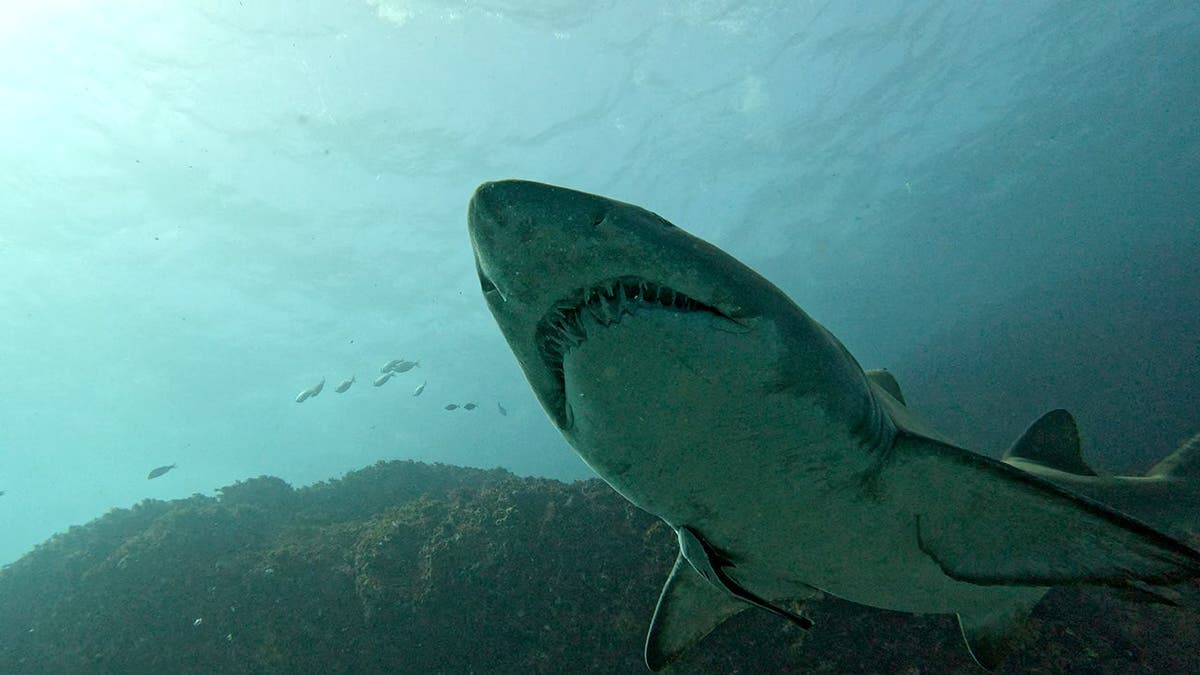
The uptick in shark sightings in the New York area may be due to increased surveillance efforts.
In May, New York Governor Kathy Hochul announced in a press release that the New York State Office of Parks, Recreation and Historic Preservation, in collaboration with the Department of Environmental Conservation were enhancing the state’s surveillance capability with new drones and drone operators to patrol sharks and other marine-life activity along Long Island State Park beaches this summer.
Shark bites are rare, especially with alert systems in place, Gavin Naylor, director of the Florida Museum of Natural History’s shark research program, told the AP.
CLICK HERE FOR MORE LIFESTYLE NEWS
Last year, the Lulu Gribbin Shark Alert System Act became law in Alabama. It’s named after Lulu Gribbin, who survived a shark attack, but lost a hand and part or her leg, in the incident.
The system works like an Amber Alert and sends an emergency warning to people’s cellphones when a confirmed shark attack happens near an Alabama beach.
“If there had been any type of alert that was given, that there’s no way that Lulu would have been in the water,” U.S. Sen. Katie Britt, the Alabama Republican who sponsored the legislation, told the AP. “And so we talked about how a simple change could have made a huge impact.”
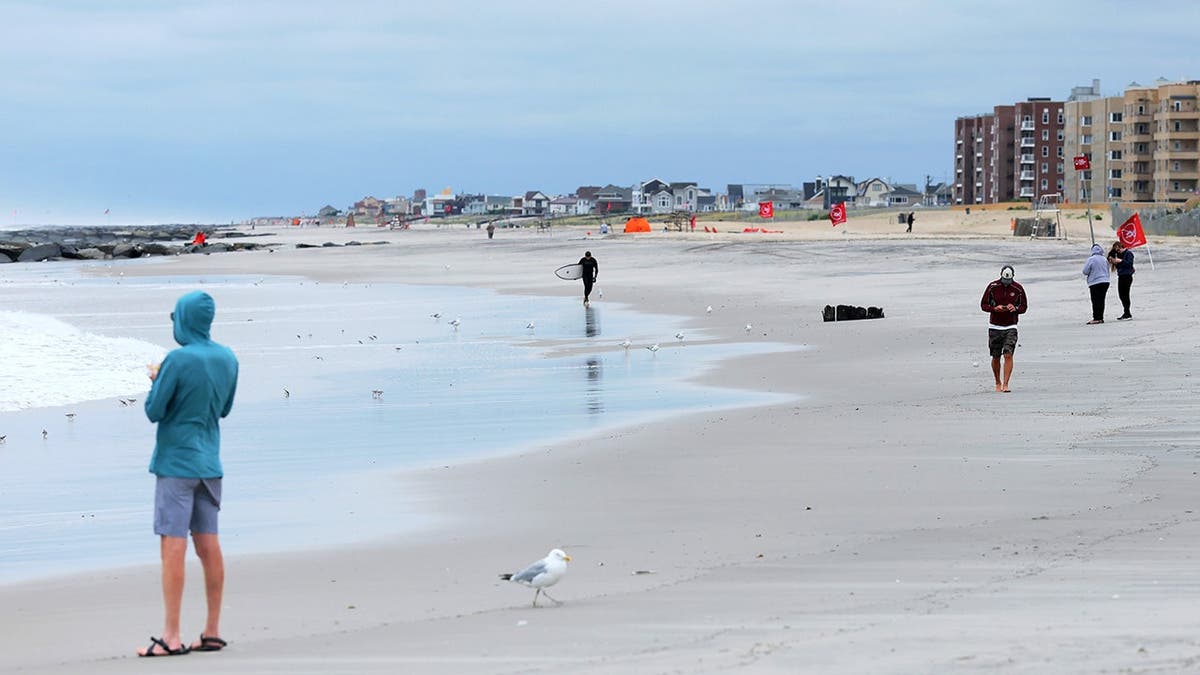
Naylor told the AP, “If somebody is bitten by a shark, and then an alert goes out, the probability that another person’s going to be bitten by a shark within, let’s say, two or three hours is incredibly small.”
The OCEARCH Shark Tracker is a free, public online map that allows people to follow the movements of tagged sharks through satellite tracking.
The Associated Press contributed to this report.
Read the full article here