




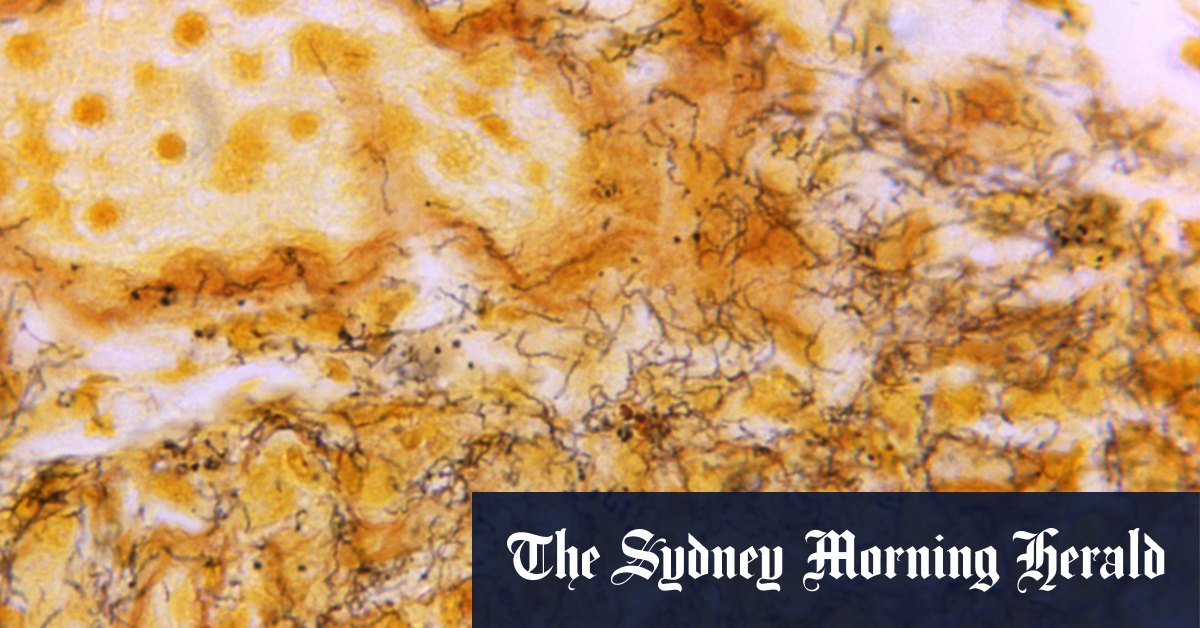
The disease is detectable and treatable, however, infectious syphilis cases have increased in the last two decades from 3.1 to 26.4 cases per 100,000 people annually.
Parkes-Smith said increased screening was key to curbing the outbreak.
The disease is detected through a blood test and Parkes-Smith said the unborn baby deaths recorded last year could have been prevented if detected earlier.
She encouraged health practitioners to increase screening requests for high-risk patients, especially pregnant women.
“People who are sexually active should consider being screened if they have a new sexual partner, they haven’t had a test before, have symptoms or have concerns,” Parkes-Smith said.
Syphilis is easily treated with penicillin but if left undiagnosed can lead to neurological problems like hearing loss.
Congenital syphilis can increase the risk of birth abnormalities and stillbirth if left untreated but is also easily cured through antibiotics.
“People think syphilis is a historical disease and there’s a real stigma attached to it,” Dr Parkes-Smith said.
Case numbers are increasing in non-Indigenous and Indigenous Queenslanders.
The outbreak began in the north-west but cases are increasing in the far north, greater Brisbane and the central part of the state, the hospital said.
Experts believe the rise in cases is due to a decrease in condom use, barriers to accessing health care in remote areas, the use of dating apps and possibly the number of men who have sex with both genders.
Syphilis usually has few symptoms but can present with hard sores on the genitals which can progress to lesions and a non-itchy rash on the palms or soles of the feet.
AAP
Read the full article here