



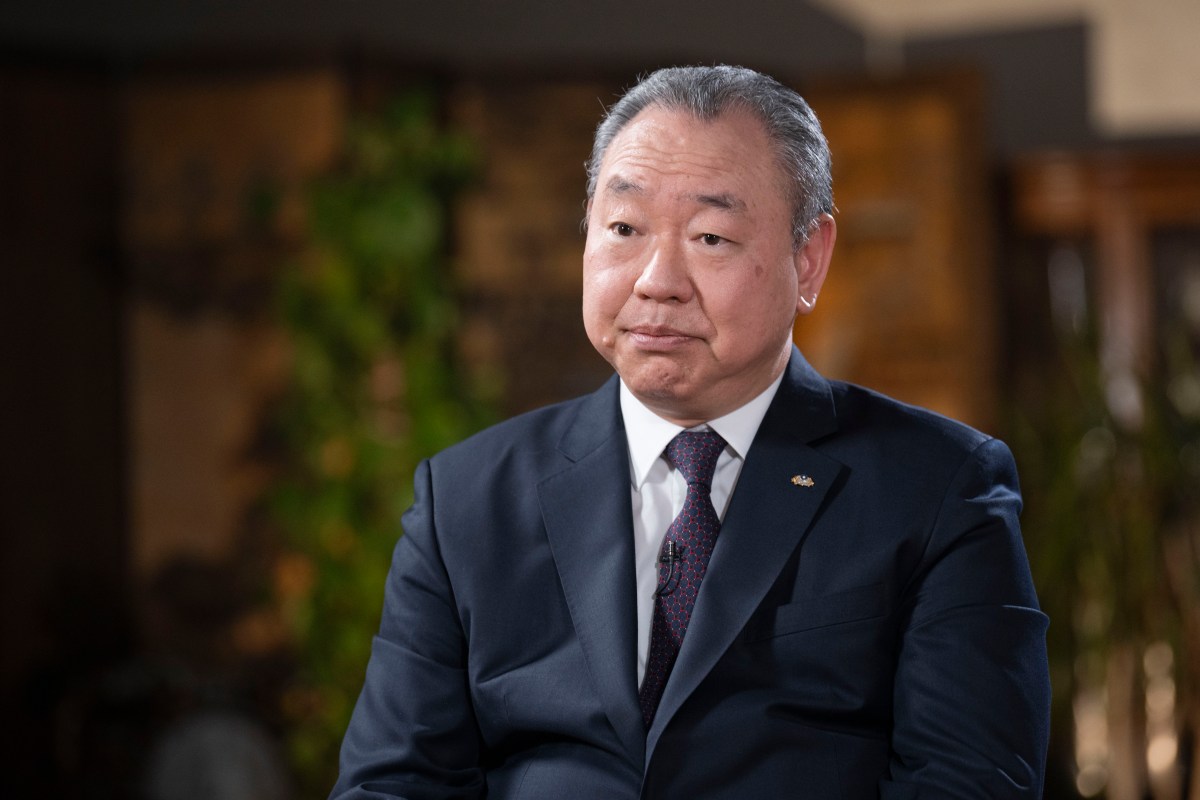
Taiwan’s Representative to the United States, Alexander Tah-ray Yui, said he isn’t concerned that the island is being “traded off” in U.S.-China negotiations and highlighted the necessity of the U.S.’s proposed multibillion-dollar arms sale to Taiwan.
Yui made the remarks in an interview with Politico that was published on Saturday as President Donald Trump weighs approving a proposed $14 billion arms package for Taiwan and has left open the possibility of speaking with Taiwanese President Lai Ching-te.
Newsweek has reached out to the Representative Office of Taiwan in Washington, D.C. for comment via email on Saturday.
U.S. Policy Stays Consistently Aligned
Yui told the outlet that Trump’s recent visit to China, in which he met with leader Xi Jinping “did not change anything regarding the longstanding position of the United States regarding Taiwan.” He also noted that the administration’s officials “all say there’s been no change in U.S. policy on Taiwan.”
Following a security forum in Singapore late last month, Secretary of Defense Pete Hegseth echoed a similar sentiment saying, “The policy we have on Taiwan is the same as it was at the beginning of this administration.”
He continued, “Our stance on Taiwan remains unchanged, just as the president said when we came out of those historic meetings with China.” Secretary of State Marco Rubio also publicly reinforced the administration’s stance following the Beijing meetings, signaling unified messaging across the Cabinet.
The U.S. adheres to its longstanding “One China” policy, acknowledging Beijing’s position on Taiwan while maintaining unofficial relations with the island and not endorsing China’s claims. The U.S. is Taiwan’s primary arms supplier, and arms sales routinely draw objections from China and threaten to raise tensions.
During his first term, Trump approved about $18.3 billion in arms sales to Taiwan, including fighter jets, missiles and other military equipment. Reuters reported the total was nearly $10 billion higher than the roughly $8.4 billion approved during Biden’s presidency.
“President Trump has been the president who has sold the most weapons to Taiwan so far,” Yui told Politico.
In response to Trump’s statement that the pending $14 billion arms sale is a “negotiating chip” with China, Yui said, “I don’t feel any concern that we’re being sort of traded off to the Chinese in any way.”
“There’s lots of things going on between the United States and Taiwan, not only the security aspect, but also on trade, investment, science and education,” he added. “Lots of things are going on that don’t show any diminishing reduction or lessening of U.S. attention or concern.”
U.S.-Taiwan ties extend beyond security cooperation to include trade, educational exchanges and major investments such as Taiwan Semiconductor Manufacturing Company’s multibillion-dollar chip manufacturing projects in Arizona.
Yui emphasized that the size of the multi-billion-dollar arms deal is “commensurate to the threat level that we are under,” from China. Congress has approved the $14 billion arms sale, but it remains pending Trump’s approval.
The package has been delayed, with acting Navy Secretary Hung Cao telling the Senate Appropriations subcommittee on defense in late May, “Right now we’re doing a pause in order to make sure we have the munitions we need for Epic Fury—which we have plenty,” adding that foreign military sales would continue “when the administration deems necessary.” Operation Epic Fury is the U.S. and Israeli joint military campaign against Iran that began in February.
Trump-Taiwan Call?
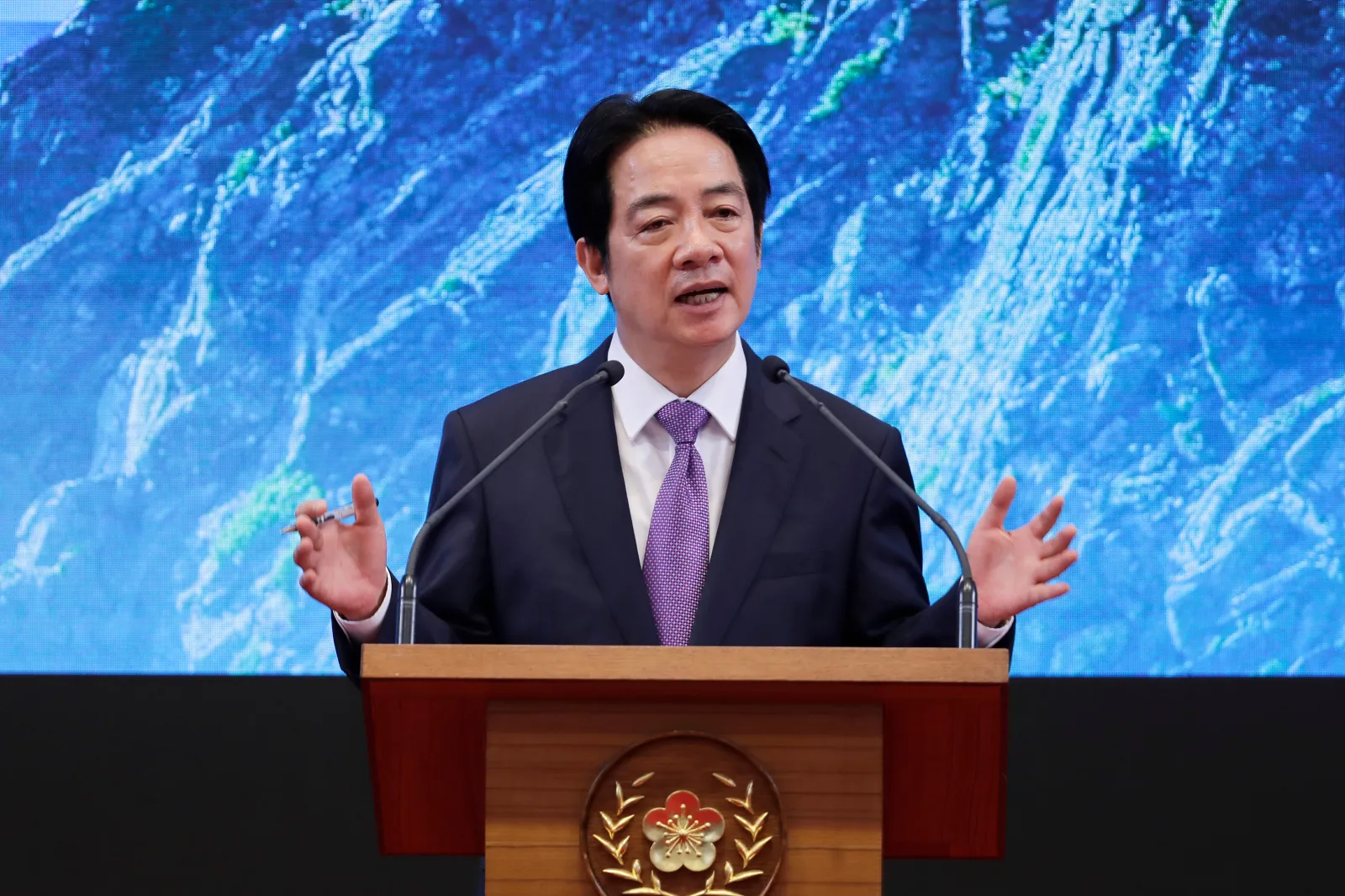
Trump has not rule out speaking with Lai, telling reporters Friday, “I’ll always talk to him.”
Such a call would be notable because it would involve a sitting U.S. president and a sitting Taiwanese president, a first since Washington and Taipei cut diplomatic ties in 1979. China has publicly opposed a direct call.
Regarding a potential call, Yui said, “With President Trump, anything is possible. He’s a president that acts outside the box.”
He continued, “For D.C. to talk to Taipei at that level is thoroughly reasonable. Of course, if there’s a call, it would be a big deal. But it’s thoroughly reasonable if you consider that Taiwan is a self-governing republic. We’re not subordinate to the People’s Republic of China. The world should treat us as a self-governing, independent nation.”
What Happened at the Trump-Xi Summit?
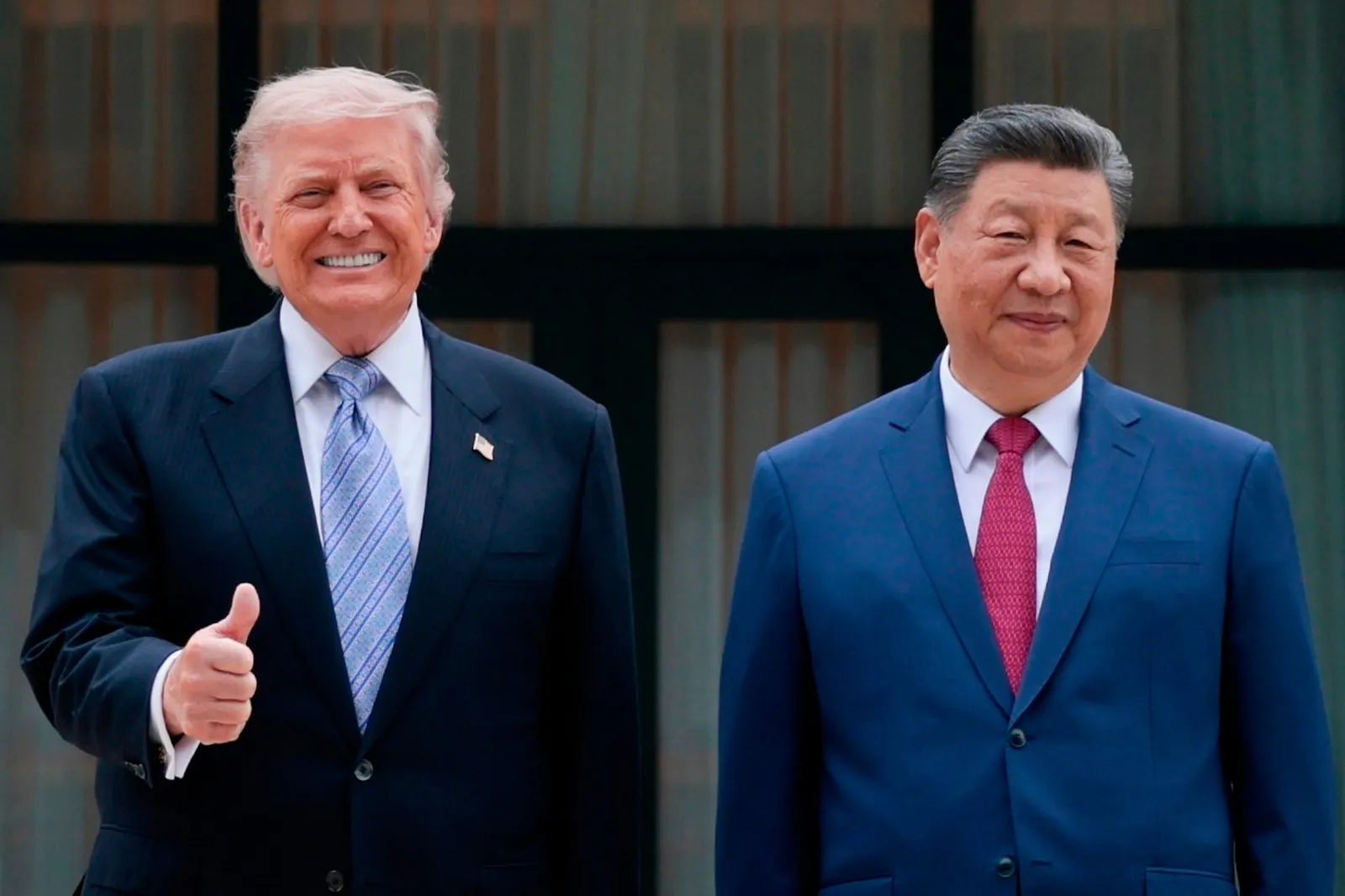
Trump traveled to China for a two-day state visit from May 13-15, his first trip to the country since 2017.
“This has been an incredible visit,” Trump said. “I think a lot of good has come of it. We’ve made some fantastic trade deals—great for both countries.”
Beijing said the visit had “deepened mutual trust” between the leaders, who have differing core national security concerns. China has sought to lower the risk of war, emphasizing the need for stability in the relationship to avoid future conflict.
Xi emphasized Beijing’s position on Taiwan, warning that the issue remains a major source of tension in U.S.-China relations. Trump later revealed that he and Xi discussed how the U.S. might respond in the event of a Taiwan Strait conflict.
Following the summit last month, Yui said during an interview appearance on CBS News’ Face the Nation that Trump said he heard a lot about Taiwan, with the representative pointing out that the president “heard only their side of the story—the Chinese story.” Yui stressed the importance of U.S. leaders hearing Taiwan’s perspective directly to counter Beijing’s narrative, pointing to the island’s 77-year history of resilience and self-governance since 1949.
Meanwhile, Trump said China was interested in buying some more soybeans and planes from American producers but offered few specifics about the new purchases. He said the two sides also felt “very similar” on how they wanted the war in Iran to end. China did not directly echo the U.S. statement but said the spillover from war in the Middle East was having far-reaching economic consequences around the world.
Read the full article here