



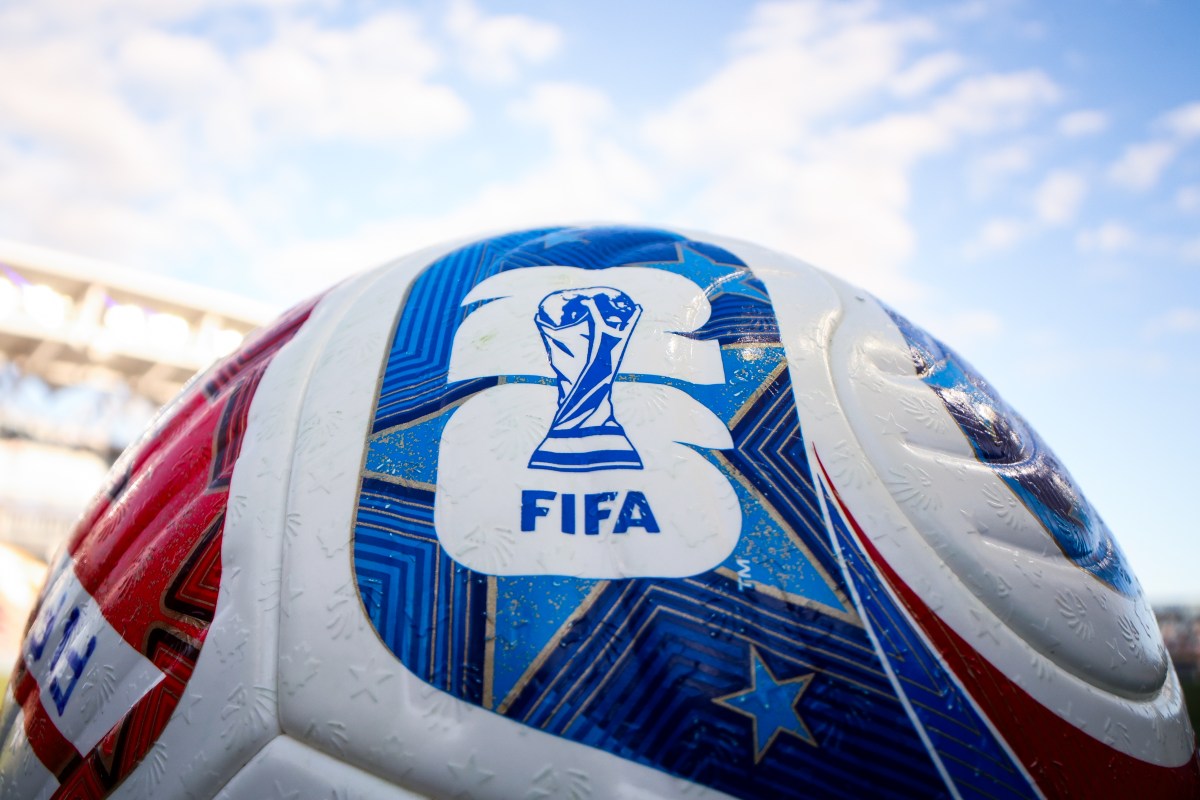
Tens of thousands of tickets to the 2026 FIFA World Cup remain available for purchase only one day before the competition begins, as organizers continue to battle reports of slow sales and softer-than-expected demand for what was previewed as one of history’s biggest sporting events.
According to figures from TicketData.com, just under 25,000 tickets are available directly from FIFA as of Wednesday morning. The website said that this estimate was based on “publicly observable availability data,” and that even more tickets may be released at a later date or allocated to certain groups.
FIFA released around 10,000 tickets on Tuesday, and has said it will continue to make seats available in batches in the leadup to and throughout the five-week competition.
And an analysis by the Financial Times published this week revealed that there are around 176,000 seats still listed for the group stage games on FIFA’s resale marketplace, and that prices have been plummeting in recent weeks.
According to data shared with Newsweek last Thursday, around 17,000 seats were available through the organization’s resale terminal for host nation matches alone.
Newsweek has contacted FIFA for comment.
Is FIFA Struggling to Sell Tickets?
Organizers were optimistic that demand would be at historic highs for this year’s competition—involving 48 teams and jointly hosted by the U.S., Canada and Mexico.
Back in February, FIFA’s president, Gianni Infantino, said FIFA had received requests for over 500 million tickets, and declared that all 104 games were “sold out.”
“We keep some tickets back for some last-minute sales, of course, but every match is sold out,” Infantino told CNBC.
FIFA walked back this statement, telling The Athletic that this was a projection rather than a real-time reflection of sales, but the organization insists that demand remains “strong” by historical standards.
“More than 5 million tickets have already been sold, and tickets will continue to be made available on a first-come first-served basis at fifa.com/tickets until the end of the tournament as part of the Last-Minute Sales Phase,” a spokesperson for FIFA told Newsweek in late May.
How Many Tickets Are Left?
Infantino has said that the high levels of interest in the tournament are one of the reasons for higher prices at the 2026 competition, which have drawn criticism from politicians, led to lawsuits from fans as well as investigations by host-city officials.
In late May, New York Attorney General Letitia James and New Jersey Attorney General Jennifer Davenport subpoenaed FIFA as part of a joint probe into its World Cup ticketing system. Davenport accused FIFA of turning the ticket-purchasing process into “gauntlet of confusion, fake scarcity and impossibly high prices.”
In late May, the number of tickets available directly from FIFA unexpectedly dropped by around 44,000, per TicketData.com. The organization did not offer an explanation for the decline, after which some observed an uptick in the number that were listed on the resale marketplace, speculating that the organization was shifting inventory to artificially lower resale costs and ensure there was not an abundance of unsold seats.
According to analysis by a source familiar with the data who spoke with Newsweek, the number of tickets that disappeared in late May closely matched the volume that then appeared on resale marketplaces, indicating that they were transferred in bulk from FIFA’s official ticketing system. However, this does not serve as confirmation of an official strategy by FIFA to influence demand or pricing.
And high costs—for those purchased from FIFA or on the secondary market—have also been cited as a reason why some fans appear to be foregoing the competition, with recent surveys of host city hoteliers finding that booking rates have been trending below forecasts.
FIFA does not publish internal inventory figures, but third-party estimates of the amount still available on its own platform and across resale sites indicate that many seats will go unfilled at least for the less heavily anticipated fixtures.
The majority of those that remain purchasable are on the resale marketplace—either FIFA’s own terminal or sites such as StubHub and SeatGeek—which may or may not be used by the sellers if they cannot find buyers at their asking price.
According to the Financial Times, resale prices have dropped by around 20 percent over the past month, and a Newsweek analysis on Wednesday found that nearly 4,000 seats are still listed on FIFA’s official resale terminal for the U.S. men’s teams opening fixture against Paraguay.
Read the full article here