




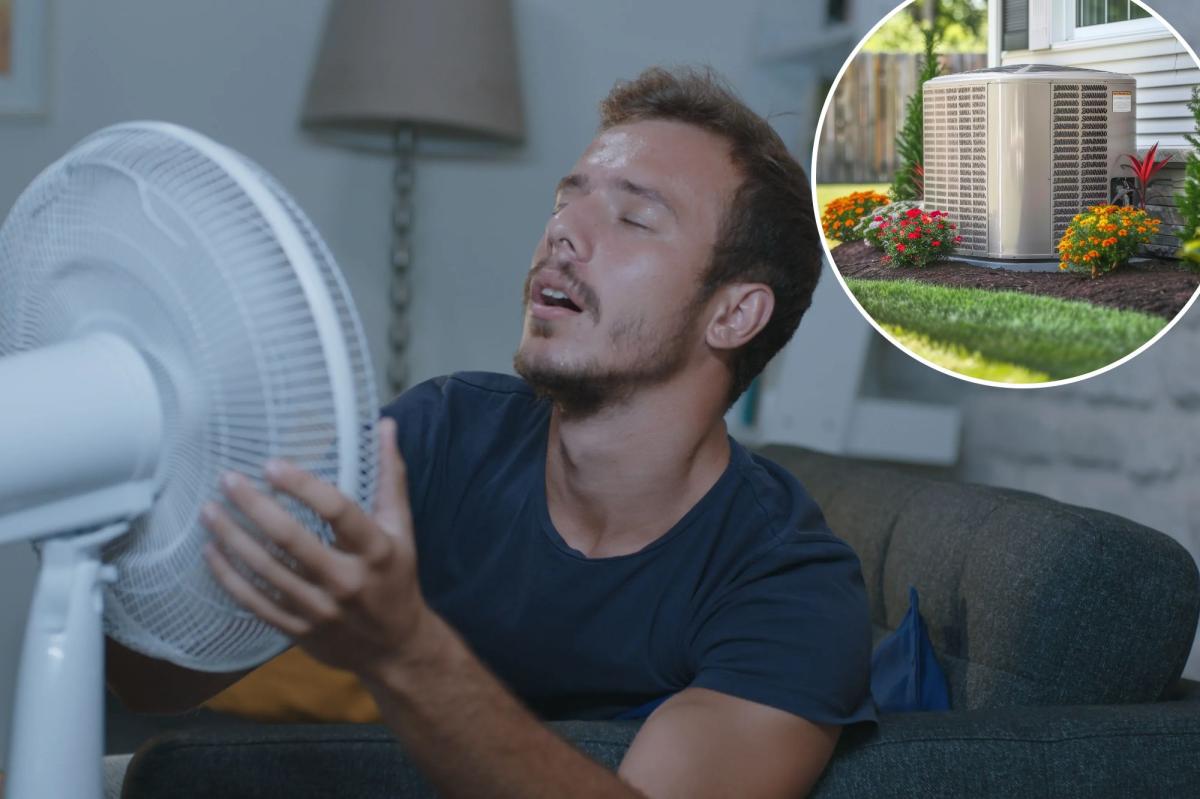
When your air conditioner malfunctions during a heat wave, the easiest option is to take the cheapest HVAC bid, right? A proper replacement system can set you back thousands of dollars, so why wouldn’t you try to save a few bucks if you could?
But HVAC experts say the lowest quote is not always the best deal. In fact, a cheaper replacement can actually do more harm than good, leading to poor performance, higher energy bills and even more repairs down the line.
Joey Dooley, a general manager at ARS in Texas, says a full system replacement can also commonly range from about $12,000 to $25,000, with bigger jobs going higher.
Say you pick the lower end for a cheaper repair that inevitably breaks down; then you’re paying double and it’ll inevitably cost you more. That’s why you should think twice before committing to the lowest HVAC bid. We’ve laid out exactly what to consider, including what to ask a potential contractor before deciding your next steps.
We’re not saying a low HVAC quote is automatically bad, but if you have a contractor giving you a surprisingly big discount, it’s a signal to check what might be missing.
Of course, there are a lot of technical terms associated with HVAC — if you’re a new homeowner like me, there’s a sharp learning curve.
Scott Urquhart, an HVAC sales and customer experience expert, says there are parts of an installation that consumers may not notice right away but that can wear down the equipment over time. “There are things that you can save money on initially, but chances are those are things that you will pay for in the long term, in the life and performance of the system,” he says.
There are a few important things a cheaper HVAC bid may not include:
Bad heat-load calculation: This can lead to a system that’s too large or too small for your home, resulting in higher bills and less durability in your HVAC system. Many homeowners think a larger system will cool the house down faster, but Gregory Milich, an HVAC expert and college instructor with 43 years of experience, says that is not how HVAC sizing works. “First of all, it needs to be sized properly,” Milich says. “You can’t just take a three-ton system out and put a four-ton system in because the customer says, ‘I just want more air conditioning.’ It does not work that way.”
An oversized system can cycle on and off too quickly, which in turn hurts humidity. Air conditioning does more than just cool; it also dehumidifies the home.
Good-quality parts but bad installation: “An HVAC system is not complete until it’s installed correctly,” Urquhart says. “Whether it’s the greatest equipment with the greatest warranty in the world, or it’s the cheapest equipment you’ve ever found or heard of, you have to install it correctly. And if you don’t, you’re going to have problems.”
These problems can then lead to more repairs down the line, leading to additional costs.
Improper ductwork: Steve Wade, a senior director of operations and procurement at ARS, says a good-quality installation is about more than just swapping out a single unit. “All the components, from the main trunk system down to the floor, should be replaced in a good-quality installation,” he says. “In some cases, you might see a company that is cutting corners and is only going to replace the box.”
Here’s a full list of things to look out for when it comes to HVACs:
| Problem caused by a bad install | What can happen | Why it becomes expensive |
|---|---|---|
| Poor airflow | Rooms stay too hot or too cold | More service calls and comfort complaints |
| Bad duct sealing | Conditioned air leaks out | Higher utility bills |
| Incorrect sizing | System short cycles or runs constantly | More wear and tear |
| Bad drainage | Water backs up or leaks | Ceiling, wall or flooring damage |
| Skipped components | Old parts fail after the new system is installed | More repairs after replacement |
| No written guarantee | Contractor may not fix issues | Homeowner pays again |
| Early system failure | Replacement comes sooner than expected | Another major installation cost |
To protect yourself from an incomplete job, take these exact evaluation steps with any low-bidding company:
1. Establish the Baseline Scope: Ask about line items.
“What exactly is included in this quote?” Request an itemized list. A super-cheap bid often looks attractive simply because it omits basic project necessities — like pulling local building permits, disposing of your old equipment or replacing the copper lines.
2. Verify Sizing Accuracy: Ask about calculations.
“Do you perform a manual J heat-load calculation, or how do you ensure the entire unit is properly sized for my layout?” Listen closely — if they say they are just matching your old unit’s size without evaluating your windows and insulation, they are cutting a major corner.
3. Evaluate the Invisible Infrastructure: Ask about ductwork.
“Are you thoroughly inspecting the ductwork before installing the new unit?” A brand-new condenser attached to leaky, collapsed or undersized ducts will still lead to high energy bills and poor performance.
4. Confirm Performance Controls: Ask about environmental specs.
“Will this specific system configuration address humidity levels and indoor air quality?” Air conditioning must dehumidify as it cools; an unverified cheap system can often leave indoor air feeling cold but damp.
5. Lock In Financial Protection: Ask about warranties.
“What explicit labor warranties are included, and do you offer a written money-back guarantee?” Equipment warranties come from the manufacturer, but installation issues must be backed directly by the contractor.
Urquhart says one of the most important things homeowners should look for is a company that offers a money-back guarantee. “You need recourse as a consumer in the event that you’re not satisfied,” he says.
When it may be time to replace instead of repair
Milich says there comes a point where repair costs no longer make sense. “Instead of spending good money after bad, why don’t we invest that into a new system?” he says.
Most times, though, age is not the only factor. You could have an eight-year-old system that needs replacement, or your neighbor might have a 15-year-old system that actually works just fine. It all depends on the true cost of ownership, according to Dooley.
You want to consider replacing the system if it is nearing the end of its life, repairs are getting more frequent or rooms just never feel comfortable and energy bills continue to rise. That said, if you’re still comfortable with the heating and cooling in your home or if the issue is something minor, repairing it makes sense. It’s also worth doing if the parts are still under warranty.
One thing to note, though: Whether you repair or replace, you must not ignore maintenance. Dooley says biannual maintenance is the baseline in many cases and that many manufacturers recommend it. “Almost every manufacturer recommends it, and I can tell you that a lot of them also effectively require maintenance if you want to protect your warranty.”
Newer HVAC systems are also getting more advanced, and they come with everything from filter alerts — so you’re not changing your filter before its shelf life is over — to diagnostic features to let contractors know exactly what the issue is, according to Dooley. If you are upgrading to a newer system, look for these features. You can also check for variable-speed compressors and something called a communicating thermostat. “Now you’ve got systems with much more precise capacity control. That means if the house needs less cooling, the system can operate at a lower speed, use less electricity, and still keep people comfortable.”
FAQ
Why are some HVAC quotes significantly cheaper than others?
A surprisingly low HVAC bid usually indicates that a contractor is omitting critical steps to lower their upfront costs. This often means they are skipping proper heat-load calculations, reusing old ductwork or lacking essential protections like written parts warranties and money-back guarantees.
What happens if an HVAC system is improperly sized for a home?
An improperly sized system will compromise both your comfort and your energy bills. An oversized unit will cycle on and off too quickly, which prevents it from properly removing humidity from the air. Conversely, an undersized unit will run constantly to keep up, leading to higher utility costs and early system failure.
When should a homeowner replace an HVAC system rather than repair it?
It is generally better to replace your system if it is nearing the end of its lifespan, requires frequent repairs or can no longer keep your home comfortable. Evaluating the true cost of ownership is key, as continuing to pay for major repairs on an inefficient system often costs more over time than upgrading to a newer unit.
Read the full article here