




NEWYou can now listen to Fox News articles!
The American flag is so familiar, but do you know that the design could have been something you would not recognize?
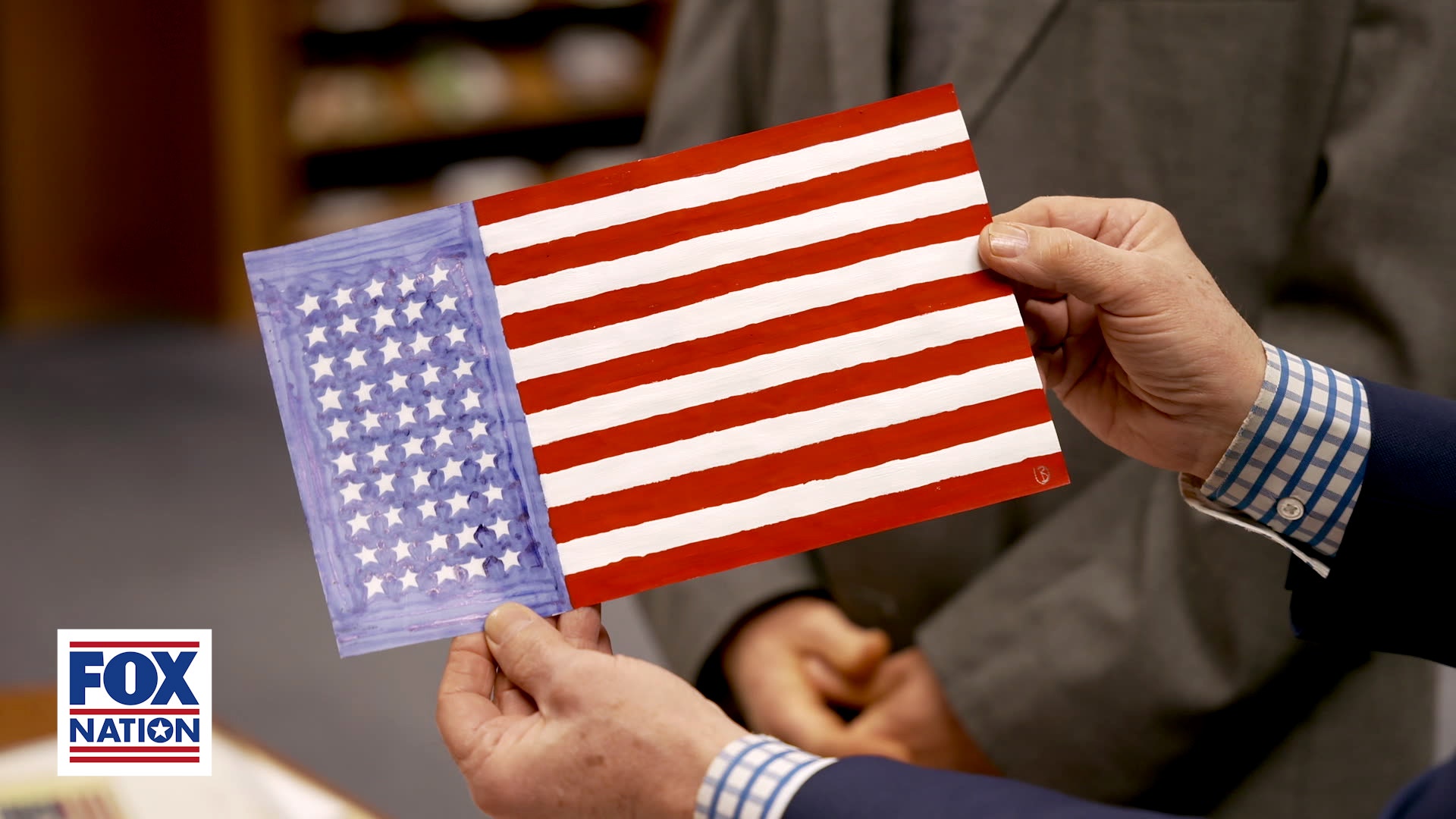
Back in 1958, as talk of the admission of two new states to the union swept the country, the Eisenhower administration was deluged with varying designs for a new 50-star flag.
“People begin sending in ideas for how the new flag should look,” said Dr. Jim Ginther, the Supervisory Archivist for the Dwight D. Eisenhower Presidential Library and Museum in Abilene, Kansas, which has kept all the submissions from back then.
“Suddenly there’s a massive public interest again in the design of the flag. Beginning in July 1958, the White House begins receiving designs from the public, as does the Quartermaster Corps of the Army, from all over the country and from all over the world.”
ERIC SHAWN REVEALS SURPRISING DESIGNER OF CURRENT AMERICAN FLAG
The story of the 50-star flag is told in episode one of the new series, “Crazy American History with Eric Shawn,” that is now streaming on Fox Nation.
One star was added to the flag in January 1959 when Alaska joined the union as the 49th state.
The 50th star was added with the admission of Hawaii as a state, and that new flag was officially raised for the first time on July 4, 1960, at Fort McHenry, in Baltimore, site of the War of 1812 bombardment that inspired Francis Scott Key to write “The Star-Spangled Banner.”
But in the two years before President Eisenhower settled on the new design for the Stars and Stripes, flag fever gripped the nation.
The White House eventually received more than 1,900 designs, many from school children as part of their lessons from the classroom publication “My Weekly Reader.”
Adults from across the country, and even overseas, submitted their proposals.
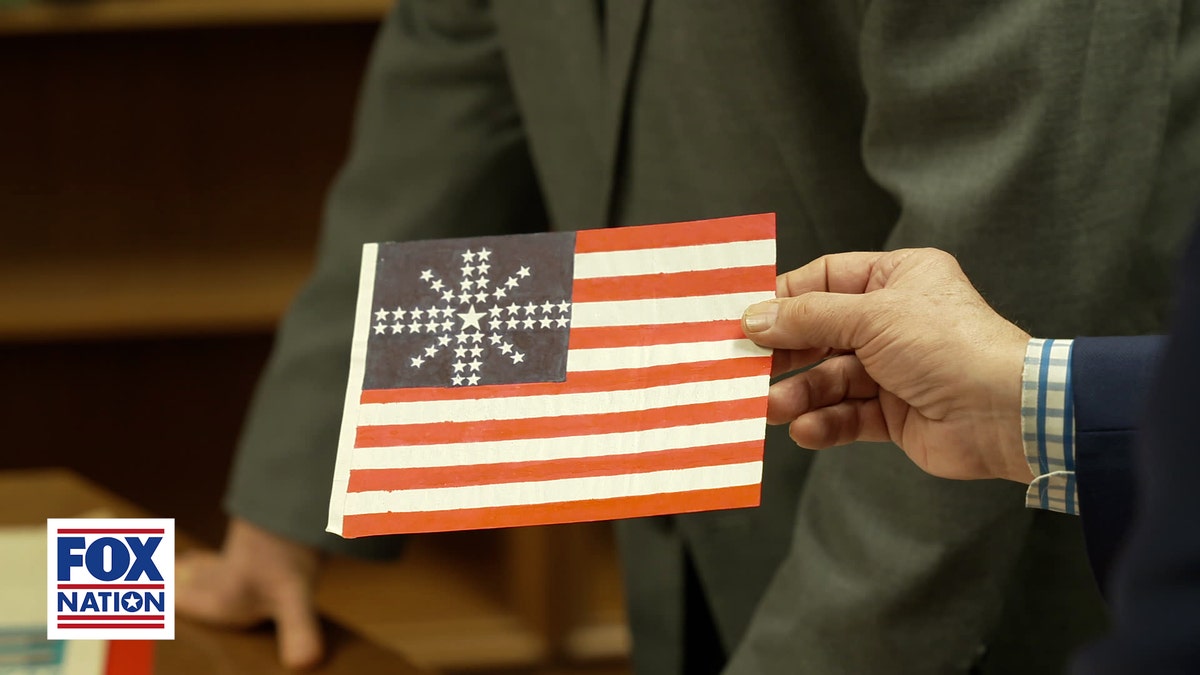
“Some of them are coming in as simple as pencil drawings, some of them are as fancy as Draftsman’s drawing. Some of them are sewn flags made out of cloth. Some of them are crayon drawings,” Ginther noted.
The Eisenhower administration used the opportunity to educate Americans about the flag and responded to every submission with a letter from a top White House official.
“Several publications are produced by the government about the history of the flag, about flag etiquette, about various other aspects of use of the flag that they begin to send back out to the public, along with these letters thanking them for their submissions to educate the public about the flag.”
The Continental Congress enacted the flag on June 14, 1777, which is now observed as flag day.
Betsy Ross is credited with designing the first flag, with the 13 stars in a circle for the original 13 colonies.
The guidelines call for a design of alternating red and white stripes with a blue field for the stars.
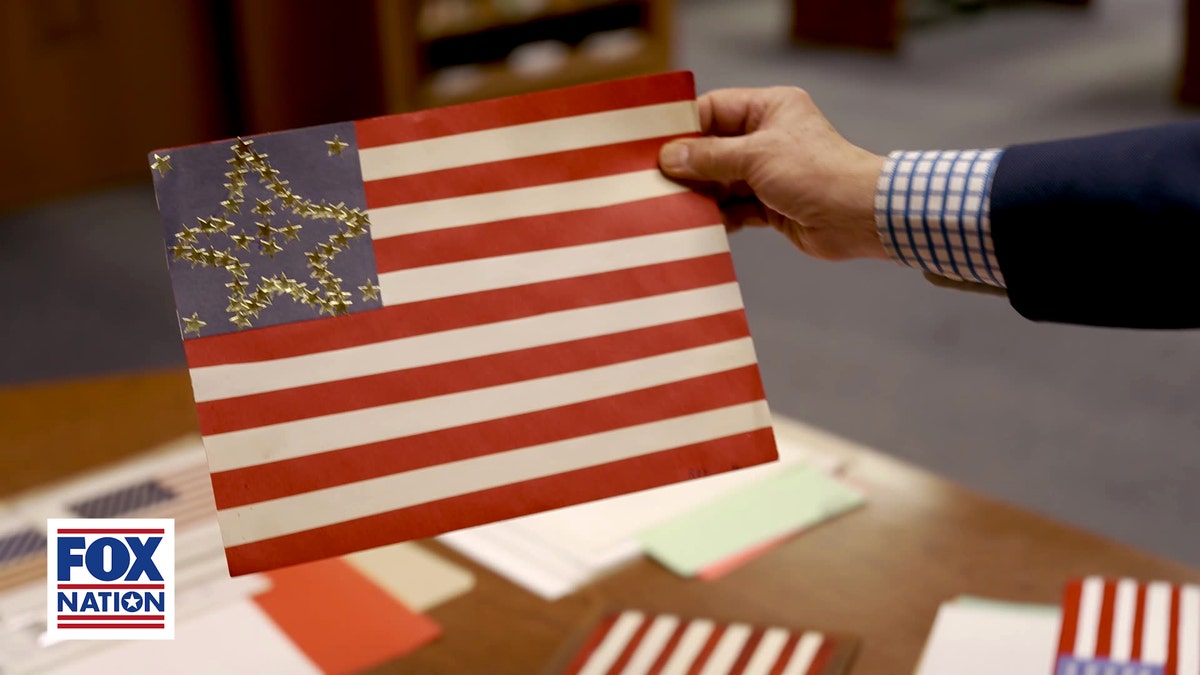
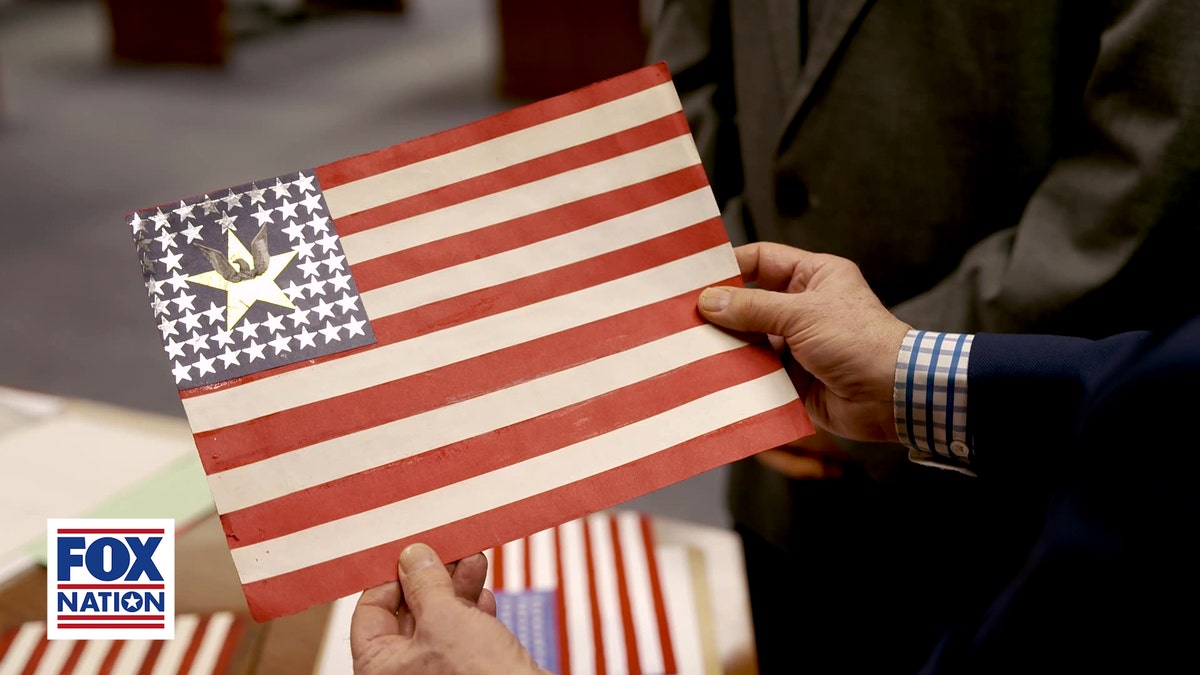
But Ginther noted that the way the stars were to be laid out was never specified, which means some of the designs can appear to be curious and compelling.
But a massive change, was not to be.
“The flag is symbolic,” said Ginther.
NEIGHBOR SURPRISES HOMEOWNER WITH BRAND-NEW AMERICAN FLAG
“Radical change in it, is going to be difficult. People are used to that symbol. It comes out in the deliberations over the flags, in the documentation,” he said. “Radically changing the flag is going to be expensive, so we have to take that into consideration as well. And then you have to consider that particularly, our military, has a vested sentimental interest, in that they have fought and bled under that flag.”
“There is reason, perhaps, why you might not want a radical change, even though many people in the country were interested in submitting designs. There is also an argument to be made for not being very radical in a redesign of the flag as a symbol of the nation.”
In the end, President Eisenhower selected a similar design to the historical tradition, adding the two stars in alternating rows of six and five stars, on the blue field where it has been so familiar ever since.
It is the flag that represents our freedoms and the American ideals on our nation’s 250th birthday.
CLICK HERE TO DOWNLOAD THE FOX NEWS APP
Watch “The Fifty-Star Flag,” the first episode of the new Fox Nation series “Crazy American History” for more on President Eisenhower and the flag.
The website of the Eisenhower Presidential Library, Museum and Boyhood Home tells more about the flag and the president: https://www.eisenhowerlibrary.gov/
Read the full article here