




Warnings about invasive species have become increasingly urgent in recent months, with scientists cautioning that some could spread at “terrifying speed” this summer, according to a recent USA Today report.
But across the United States, many of these ecological threats are no longer emerging risks. They are already established, expanding, and reshaping ecosystems in real time. In essence, these aren’t future threats, they are already here.
The U.S. Geological Survey (USGS) says such species can damage habitats, outcompete native plants and animals, including already vulnerable species, and in some cases introduce disease.
From waterways in the Midwest to wetlands in the South and forests in the Northeast, a growing number of invasive species are spreading across the country, driven by climate change, global trade and shifting environmental conditions.
How Species Get In
As reported by USA Today, the U.S. is contending with a wide range of invasive species. Non-native species are introduced through multiple pathways, including shipping containers, ballast water from vessels, the wildlife trade, imported plants and even tropical cyclones.
In response, authorities have developed a broad and evolving set of measures aimed at limiting their spread. These include restrictions on transporting firewood, boat-cleaning requirements, targeted eradication efforts, and controls on the movement of fruits, vegetables and plants.
Nearly 15,000 records of non-native, reproducing species have been filed with the U.S. Register of Introduced and Invasive Species.
“Humans have been moving species around for a really long time, ever since we started populating and walking around the globe,” said Sara Kuebbing, a research scientist at the Yale School of the Environment, as reported by USA Today.
She stated that risks from many of the invasive species are high, in terms of damaging economic, environmental and human health impacts.
What Counts as an Invasive Species
USGS scientists use methods ranging from field surveillance to genomic analysis to track invasive species and assess their impacts. Their findings are used by federal, state and local agencies to help prevent further spread and reduce ecological damage in affected habitats.
Experts say the scale and speed of spread is increasingly difficult to contain, as species exploit connected waterways, warming temperatures and human transport networks. While management efforts continue, many populations are already deeply embedded in local ecosystems. Below are some of the pests and where they are most prevalent.
Golden Mussels (California and Spreading)
Golden mussels, first detected in California, are raising concern for their ability to reproduce rapidly and attach to hard surfaces in dense colonies. Their spread through interconnected water systems poses a risk to infrastructure, particularly water supply networks.
Burmese Pythons (Florida Everglades)
In Florida, Burmese pythons are now a firmly established invasive predator in the Everglades. Introduced through the exotic pet trade, they have disrupted local food chains by preying on a wide range of native wildlife, contributing to long-term ecological imbalance in the region.
Spotted Lanternfly (Northeast and Midwest)
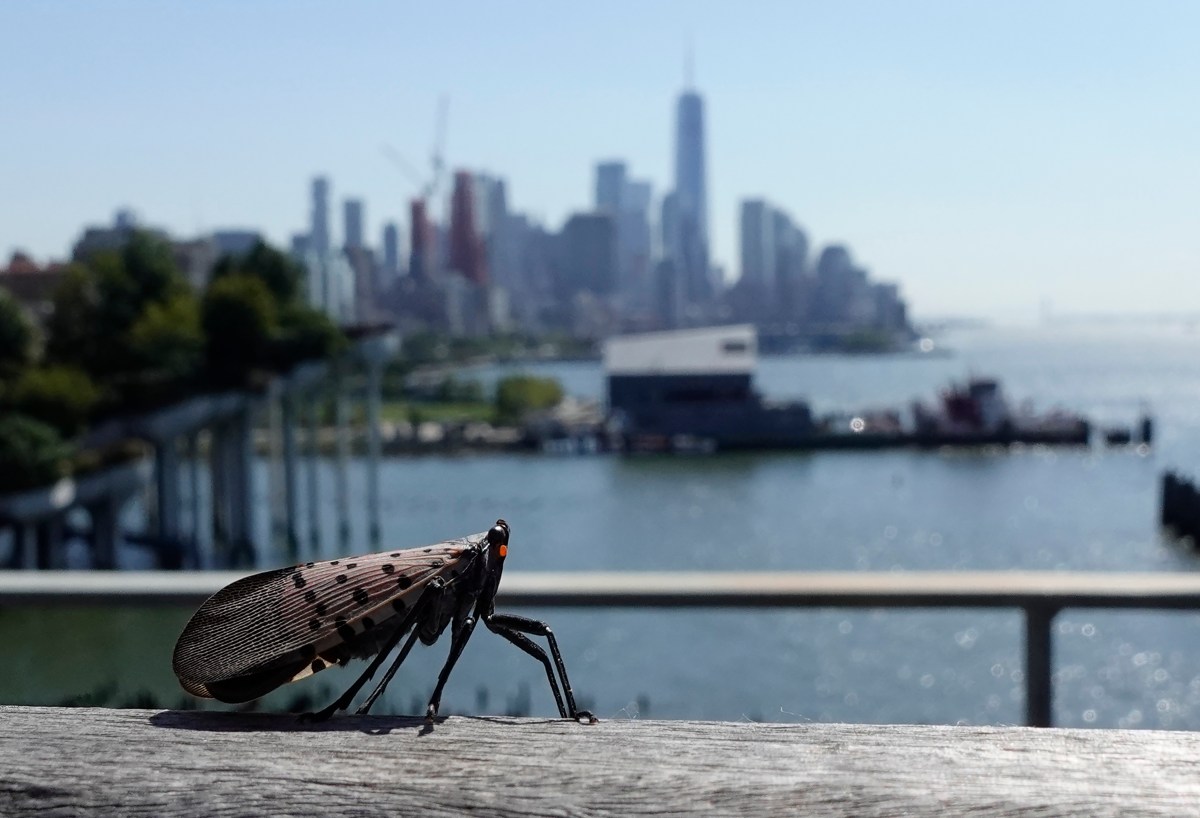
Since first appearing in Pennsylvania, the spotted lanternfly has expanded across multiple states. It is a destructive pest that damages valuable crops and trees. The insect feeds on fruit trees, vines and hardwoods, making it a significant concern for both agriculture and forestry.
Feral Swine (Southern United States)
Feral swine populations continue to spread across the South, causing widespread damage to crops, soil structure and natural habitats. They are recognized as carriers of at numerous viral and bacterial diseases, along with numerous parasites, creating significant health risks for humans, pets and livestock.
Emerald Ash Borer (Widespread across the US)
According to the National Invasive Species Information Center (NISIC), the emerald ash borer is an exotic, invasive, wood-boring insect that infests and kills native North American ash trees. It has already caused the destruction of tens of millions of trees across North America.
Northern Snakehead Fish (Mid-Atlantic and beyond)
The northern snakehead fish continues to appear in new waterways across the Mid-Atlantic. Known for its resilience and predatory behavior, it poses an ongoing threat to native fish populations. According to the U.S. Fish and Wildlife Service, left uncontrolled, it could unleash untold havoc on inland fisheries throughout the region.
Asian Carp (Mississippi River Basin)
Asian carp remain one of the most persistent invasive threats in U.S. waterways. Their rapid reproduction and dominance in aquatic ecosystems continue to raise concerns about their potential movement toward the Great Lakes. According to the NISIC, these carp species are causing issues in the Mississippi River and surrounding waters, leaving a trail of environmental destruction in their wake.
Nutria (Gulf Coast wetlands)
Nutria are semi-aquatic rodents that are causing significant damage to wetland ecosystems along the Gulf Coast. By feeding on vegetation that stabilizes marshland, they contribute to increased erosion in already vulnerable coastal regions.
Giant African Land Snail (Florida Outbreaks)
Florida continues to report outbreaks of the giant African land snail, a species that damages crops and carries parasites harmful to humans. According to the NISIC, it is known to feed on over 500 varieties of plants. Authorities continue monitoring and containment efforts.
A Country Adapting to a New Normal
Taken together, these species reflect an ecological shift underway across the United States. Invasive species are no longer isolated incidents, but part of a wider pattern shaped by climate change, global movement and increasingly interconnected ecosystems.
For scientists and policymakers, the challenge is no longer simply prevention, but containment and adaptation in a landscape that is already changing.
Read the full article here