

“The previous category 2 cyclones in 1974 and 1954 caused significant flooding across all those regions.
“We’ll only know in hindsight, but this could be another one.”
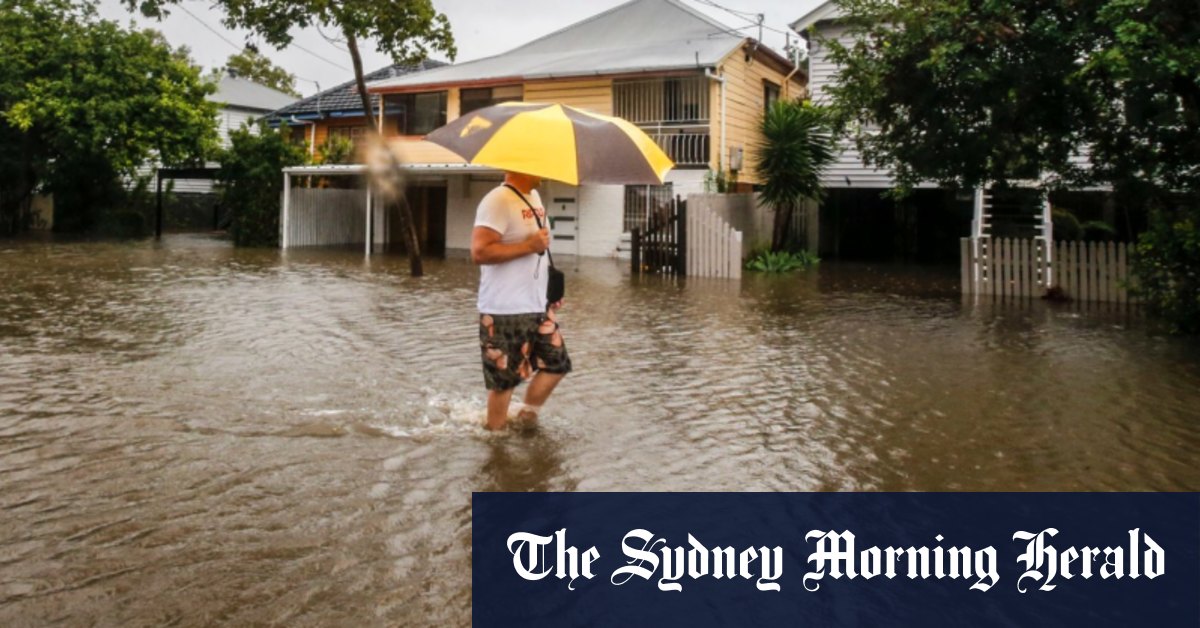
Ex-tropical cyclone Debbie caused widespread flooding in Brisbane in 2017.Credit: Glenn Hunt
Two cyclones have crossed the coastline at the NSW-Queensland border in the past century, causing major flooding in Brisbane and on the Gold Coast, and hundreds of kilometres south into NSW at Lismore and further to Coffs Harbour.
Cyclone Zoe was the most recent system to cross the coast, landing at Tweed Heads in March 1974 and causing flooding from Brisbane to Coffs Harbour. Around 200 people were evacuated from Murwillumbah and 500 families were evacuated from Lismore.
In February 1954, the Great Gold Coast Cyclone hit near the NSW-Queensland border. The Bureau of Meteorology reported between 26 and 30 people died as a result of the severe winds, storm surges and flooding from Brisbane to Grafton in NSW, with rain up to 900 millimetres in some locations.
The most recent major flooding in northern NSW and Brisbane, in 2022, resulted not from an ex-tropical cyclone, but a slow-moving east coast, low-pressure system.
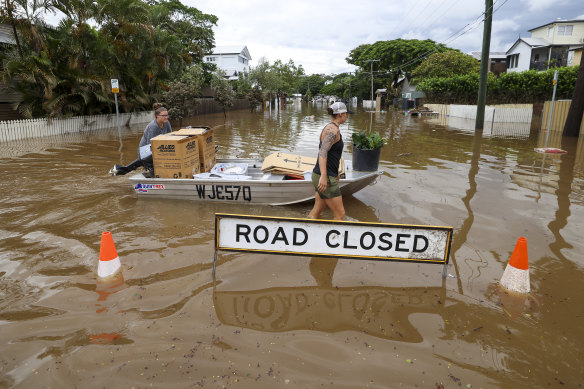
Brisbane’s devastating 2022 floods: Two residents use a boat to save items from their home in Auchenflower.Credit: Peter Wallis
Ex-tropical cyclone Oswald delivered torrential rain that isolated parts of Queensland and the northern rivers area of NSW in March 2013.
Seven people died, including a three-year-old boy, who was hit by a falling gum tree while watching the floodwater rise from the Kedron Brook bikeway in Brisbane’s north with his parents.
Gissing said flooding posed the greatest risk to life. Most lives were lost, he said, after people chose to enter floodwater.
Loading
“Flooding is the deadliest facet of a cyclone. Only a small error in judgement can be fatal,” he said.
“Previous research has found that 84 per cent of motorists ignore road closure signs. Those that are most likely to enter floodwater are younger men, those that work outdoors and drivers of 4WDs.
“It might be deeper or faster flowing than thought, the road beneath could be washed out or conditions may rapidly change. Remember if it is flooded forget it.”
Read the full article here