



A fetus doesn’t have to see a yawn to catch it.
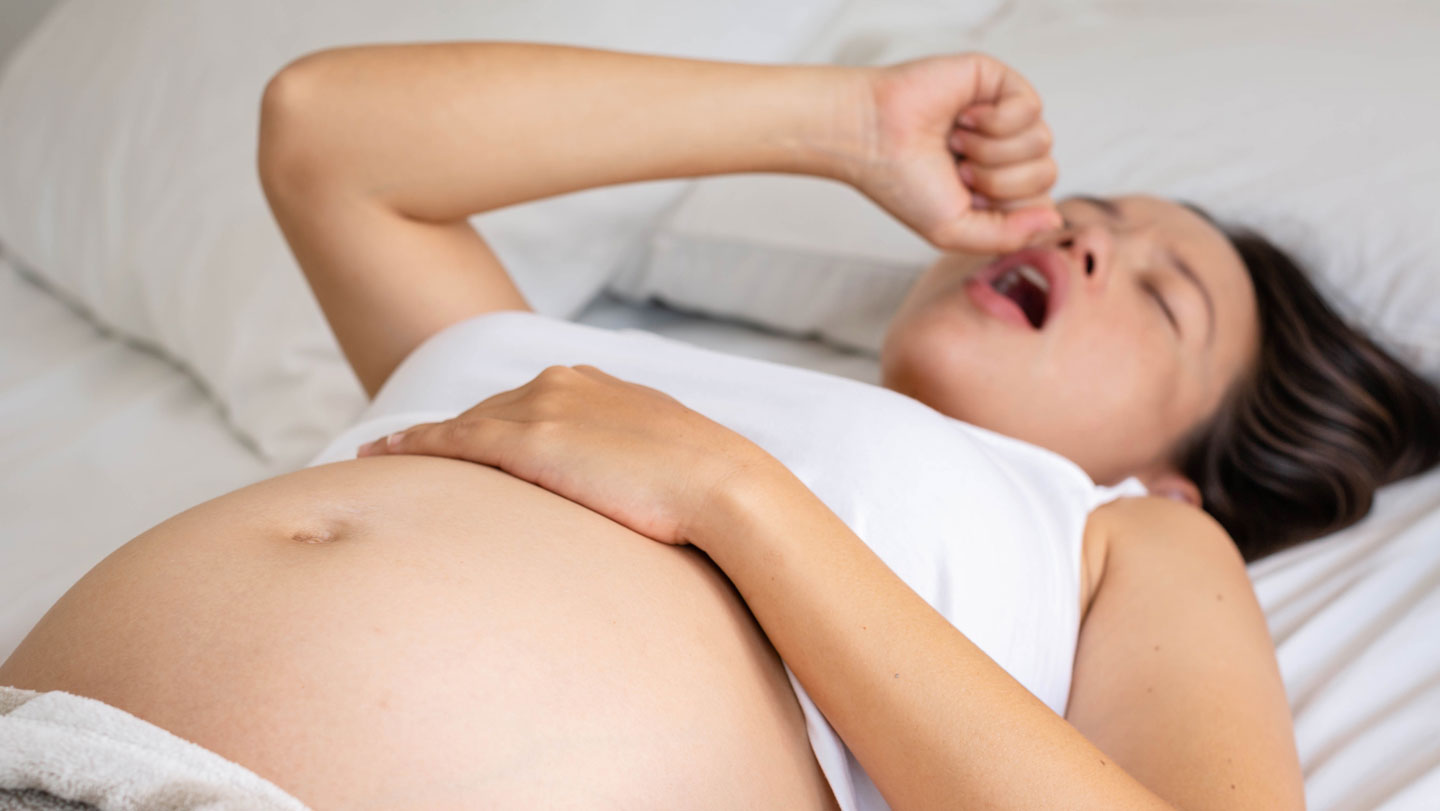
Mothers can spread yawns to their yet-to-be-born offspring during pregnancy, researchers report May 5 in Current Biology.
Yawning is contagious among many social creatures, including humans, dogs, lions and parakeets. While the behavior is generally thought to boost blood flow to the brain for cooling and alertness, yawning could also help synchronize group movements and be a primitive form of empathy. And yawning begins even before birth. In utero yawns support brain development, ensuring that all the necessary muscles and brain connections needed for yawning and breathing are in working order.
But researchers largely attributed these prenatal yawns to natural body programming, different from the socially contagious reflex that strikes children and adults alike. It was unknown if a mothers’ yawning had any impact on fetuses.
Pregnancy is a time when mothers and their fetuses are inextricably linked not just physiologically, but perhaps behaviorally, says Giulia D’Adamo, a neuroscientist and psychologist at the University of Parma in Italy. “During pregnancy, everything is groundwork for what is going to happen next.”
To test whether fetuses catch yawns from their mothers, D’Adamo and colleagues showed videos of yawning people to a group of 38 pregnant women who were in their third trimester. Cameras captured the mothers’ video-prompted yawns while ultrasound monitored their fetuses.
Roughly 64 percent of the mothers yawned at least once in response to the video. Just over half of the fetuses responded to their mothers, yawning themselves around a minute and half later. (The upper limit to “catching” a yawn for humans is around five minutes.) That fetal yawn was far more likely to follow a maternal one than to happen spontaneously.
It’s possible that the physical movement of a yawn puts pressure on the uterus in ways that signals to the fetus that it should yawn, too, D’Adamo says. Hormones could also prompt a fetal yawn. Future studies examining women at various stages of pregnancy could help uncover how mothers pass on their yawns.
But for now, it’s unclear why fetuses catch yawns, and if those yawns serve to benefit any future behaviors. The real social context, D’Adamo says, happens after birth.
Read the full article here