



Drug overdose deaths unexpectedly took a nosedive in the United States a few years ago. But it doesn’t appear to be due to more people being revived than before.
At the peak in mid-2023, there were around 111,000 drug overdose deaths per year in the United States. By the end of 2025, the number had fallen to under 71,000 per year, and researchers are still piecing together why. One theory: The wider availability of naloxone, a medication that reverses opioid overdoses, made it possible to revive more people than before.
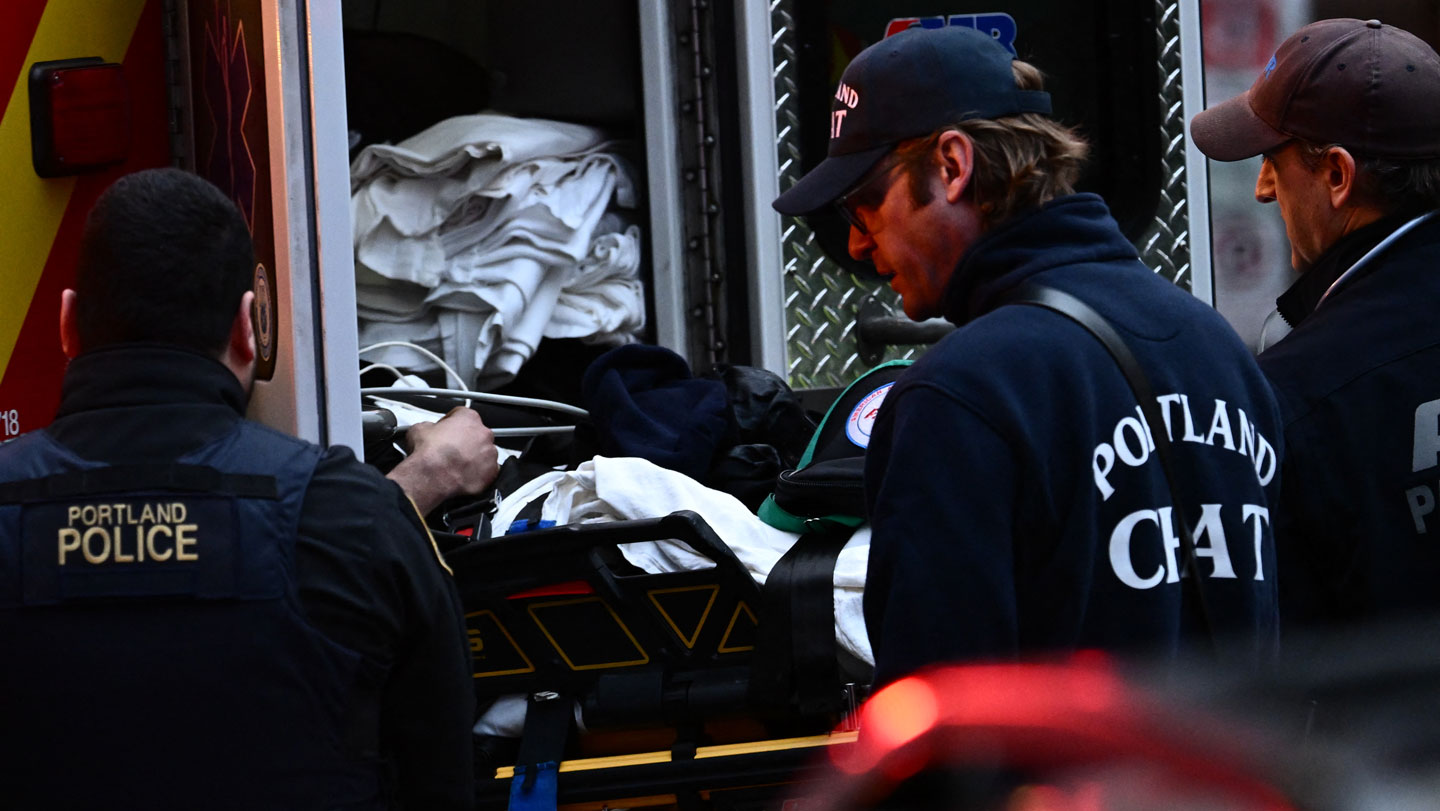
But a study of U.S. emergency medical services agencies found that emergency medical responses for nonfatal overdoses dropped along with deaths, and the use of naloxone also declined. That suggests that fewer overdoses overall occurred, not that naloxone stopped deaths more often, researchers report October 21 in the Journal of the American Medical Association.
“Naloxone still saves lives every day,” says Michael Barnett, a health services researcher at Brown University School of Public Health in Providence, R.I. “But it doesn’t look like the reason for the sudden turn” in overdose deaths.
State policies, community distribution programs and the U.S. Food and Drug Administration’s approval of the nasal spray version of naloxone as an over-the counter drug have expanded access.
Barnett and colleagues analyzed nearly 186 million emergency medical service activations — an ambulance or other EMS response after a 911 call — nationwide that occurred from May 2020 through December 2025. Of 2.5 million responses for nonfatal drug overdoses, 40.5 percent involved opioids.
From May of 2023 onward, EMS activations for nonfatal opioid overdoses fell on average by about 6,000, or around 33 percent, below what was expected. Total administrations of naloxone dropped as well, by around 4,700 on average, or 21 percent below what was expected. The study suggests that naloxone was not used more often than before by bystanders prior to the EMS response, but did not include data on cases when a bystander provided naloxone and no one called 911.
Additional possibilities to explain the steep drop in overdose deaths — which followed a three-decade increase — include changes to the illicit opioid supply or with the population of people at risk for overdoses. “My own read is that a disruption in the fentanyl supply best explains how sudden and widespread the turn was,” Barnett says. “Underneath it, the population at risk has probably been shrinking for years.”
But “a supply-driven decline can reverse,” Barnett says, noting that the decline in overdose deaths slowed in 2025. Traffickers can adapt “by finding new chemical sources or turning to more potent synthetic opioids.”
Read the full article here