



A new estimate of insect diversity suggests there are at least 14 million to 20 million species buzzing and crawling around the globe.
That’s double or triple other recent estimates, most of which peg the count at around 6 million species, researchers report June 29 in Proceedings of the National Academy of Sciences. Only around 1 million insects have officially been named and described.
Many insects are facing an “Insect Apocalypse.” Numbers are dwindling for myriad reasons including pesticides, climate change, habitat destruction and light pollution. The new figure helps to pinpoint a baseline approximation for how many different kinds of creepy-crawlies there are on Earth, including many yet-to-be-discovered species that, like known species, may be in trouble too.
“It helps us understand how much we could be losing,” says Laura Melissa Guzman, an entomologist and biodiversity scientist at Cornell University. “And that we have to keep studying these insects to better protect them.”
Guzman and colleagues analyzed the DNA of more than 1.6 million insects belonging to roughly 54,000 species that were caught in traps set up in Área de Conservación Guanacaste, a protected area and World Heritage Site in northwestern Costa Rica. The area is a good place to start because it is well-studied, Guzman says. Researchers have used the traps and other methods to monitor insects across the area’s dry forest, rainforest and cloud forest ecosystems, from ocean to mountain, for more than 40 years.
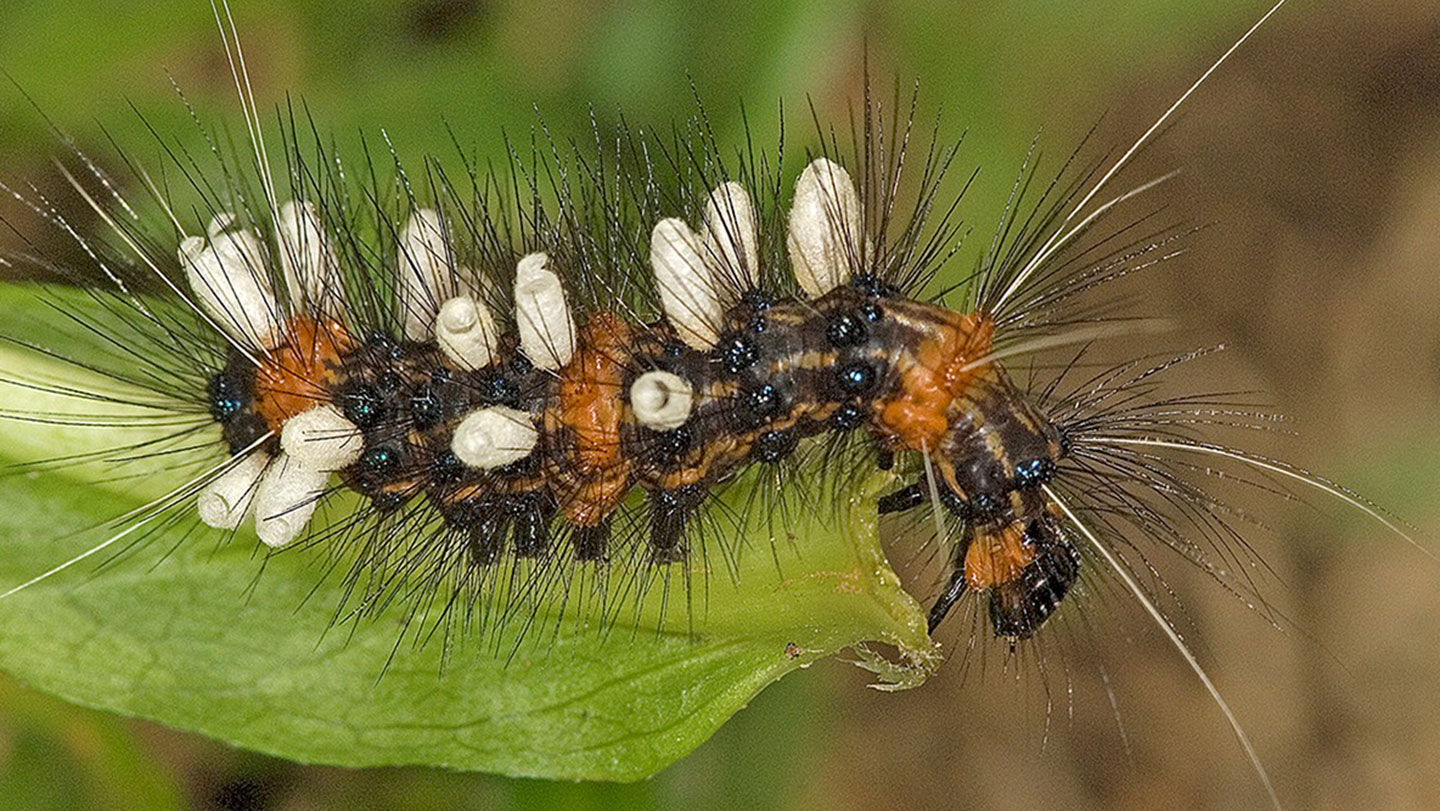
The team focused on a subset of those insects: more than 11,000 parasitoid wasp specimens across 388 species. Compared with charismatic, highly studied species like beetles, parasitoid wasps are diverse but massively understudied, Guzman says.
That wasp census allowed the team to leverage statistical methods to calculate how many species might have been missed even among a large sample of more than a million insects. Roughly 2,400 parasitoid wasps may call Área de Conservación Guanacaste home, as well as more than 300,000 other insect species, the team concluded. From there, the researchers upscaled their figures to determine what might exist around the globe.
Even the lower bound estimate of 14 million suggests that there are millions of species yet to be discovered. “It’s humbling how much we don’t know,” Guzman says. “And how much we have left to know.”
Read the full article here