

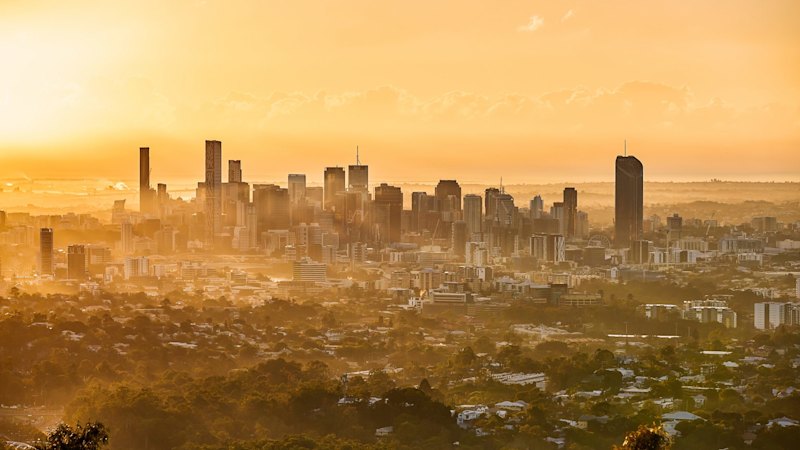
It’s 7am in Newstead. The inner-city, riverside suburb is already a hive of activity. Early-morning, Lycra-clad runners are pounding the boardwalk. Cyclists dart between dog walkers. Cafes are packed. Pilates studios and gyms are full.
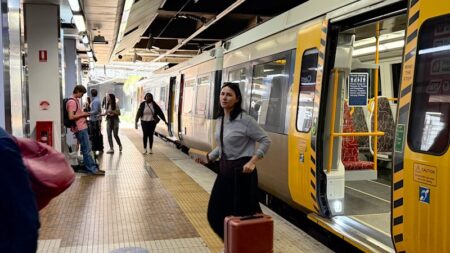
There’s a vastly different scene unfolding in nearby Fortitude Valley. A handful of commuters make their way from the train station past shuttered nightclubs and bars in Brunswick Street Mall, along footpaths stained by the previous weekend’s revellers.
It’s a tale of two economies: the late-night economy and the dawn economy.
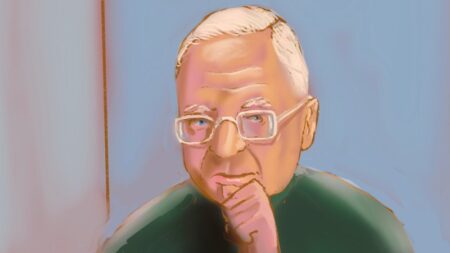
Great cities need both, but the latter is Brisbane’s unique strength and could be our identity to market to the world ahead of the 2032 Olympic Games, according to University of Melbourne research fellow Dr Anna Edwards.
“Brisbane has one of the most active morning trading cultures in the country,” Edwards said.
In key districts of London, New York and Dubai, less than 10 per cent of businesses are open by 7am.
In Brisbane, one in three food and beverage businesses are open and serving customers by that time.
“That’s extraordinary by Australian and by international standards,” Edwards said.
“If Brisbane is looking for a distinctive story to tell the rest of the world over the next decade, perhaps it starts with dawn.”
So what is the dawn economy?
“Put simply, the dawn economy is all economic and social activity that occurs before the traditional working day begins. It’s the nurse finishing the shift. It’s the tradie grabbing breakfast. The street cleaner sweeping the streets. The runner along the river,” Edwards explained.
The concept gained momentum last year following a LinkedIn post by Ivan Power, a Sydney-based investor and government adviser, who noticed that almost all the cafes along the beachside strip in his home suburb of Bronte were full at 6.30am.
The morning economy (5am to 11am) accounts for between 12 and 20 per cent of daily spending in Australia’s CBDs, Edwards’ research has found.
“It’s not just coffee, it’s groceries, it’s retail, it’s convenience purchases,” she said.
In 2014, Brisbane was crowned the world’s earliest-rising city in a study by fitness tracker Jawbone UP, with an average waking time of 6.35am.
Brisbanites lost that title to Colombians in 2023, who start their day a total of four minutes earlier at 6.31am, but River City residents maintain a reputation for making the most of the mornings.
Data collated by Edwards shows that long before most offices open, Brisbanites are already out and about, away from their homes.
“By 7am, there are already strong concentrations of activity around the CBD and major hospital precincts, alongside movement occurring across the broader city,” she said.
Brisbane’s climate is a key factor behind the early start, but the pandemic also dramatically changed the way workers spend their time.
The explosion of the wellness economy has also played a significant role, particularly as younger generations shun late-night partying and alcohol drinking for health smoothies, matcha lattes and morning raves with coffee.
Not all dawn activity involves spending money. Run clubs, swim clubs, walking groups, Pilates in the park and breakfast events contribute to social connection, community wellbeing and quality of life, Edwards added.
“So why does any of this matter? Because cities compete. They compete for talent, investment, visitors, and skilled workers. And increasingly, they compete on quality of life,” she said.
“The dawn economy contributes to all of this. It’s about business opportunity, creating customers, activity and demand across more hours of the day.
“But perhaps most importantly, it’s about identity. Many cities are searching for a distinctive top story to tell. Brisbane may already have one of the strongest narratives in Australia.”
At a breakfast event hosted by the Committee for Brisbane on Wednesday, Edwards shared her research with a room of industry and local government leaders, with a guest panel including South Bank chief executive Julia Scodellaro and Liam Short, principal of architecture firm Hassell Studio, which has co-designed the controversial new 63,000-seat Olympic stadium at Victoria Park.
Each had unique ideas about how best to harness Brisbane’s dawn economy ahead of the 2032 Games.
Beth Toon, Place Design Group CEO
Toon advocates for an attitude shift, as well as a dedicated dawn economy commissioner.
The Queensland government has appointed Powderfinger bassist John “JC” Collins as the state’s first night-life economy commissioner, while New South Wales has a 24-hour economy commissioner with a 68-person team.
“As Brisbanites, we were almost embarrassed for a while about being the larks. It wasn’t cool. The cool kids were the night owls and all those great cities that had these fantastic night-time economies,” Toon said.
“But times have changed. The lark has become cool again … and the dawn economy is intrinsically Brisbane.”
Julia Scodellaro, South Bank CEO
Scodellaro believes precincts should lead the way in trialling and piloting events to harness the dawn economy.
She said South Bank’s morning trade accounted for only 5 per cent of the precinct’s annual revenue.
“That tells us something, and that means there’s some more work for us to do, but also precincts across the city,” she said.
“For the next 12 months, we’ve got to see the dawn economy as part of Brisbane’s identity … and I believe it’s going to start with precincts, and we’re going to start championing and showing the way of what it can actually look like, so there will be action in the next 12 months. Just watch this space.”
Liam Short, principal of architecture firm Hassell Studio
Short pointed to Ann and Brunswick streets in Fortitude Valley as examples of untapped opportunity, where venues could operate as cafes by day and bars by night under a split-tenancy model.
“Do we need to reconsider talking to developers about a new commercial model that allows for split tenancies … so you can actually have a vendor in the morning doing coffees [and] pastries … but then it can transition into the evening?”
He also floated a controversial idea of bringing forward school hours and encouraging restaurants to open earlier, from 4pm.
Max Goonan, GHD’s marketing and communications lead, major events
Goonan said making public transport more available and accessible in the early hours was important, but so too was walkability.
“We’ve already seen changes in terms of green bridges and plans for more, but what we call active travel – making a place that’s walkable – is going to be absolutely critical,” he said.
He said providing more shade for the bridges across Brisbane River was vital.
“As you see other cities around the world become warmer, they could learn how we’ve adapted to living in this climate,” he said.
“As we move up to the Games, test events are going to be what this city lives and breathes on. We’ll be stress-testing our venues, our transit hubs, so embedding events that centre around precincts that activate the dawn economy, I think, is going to be key.”
Start the day with a summary of the day’s most important and interesting stories, analysis and insights. Sign up for our Morning Edition newsletter.
From our partners
Read the full article here