


NEWYou can now listen to Fox News articles!
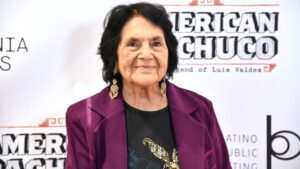
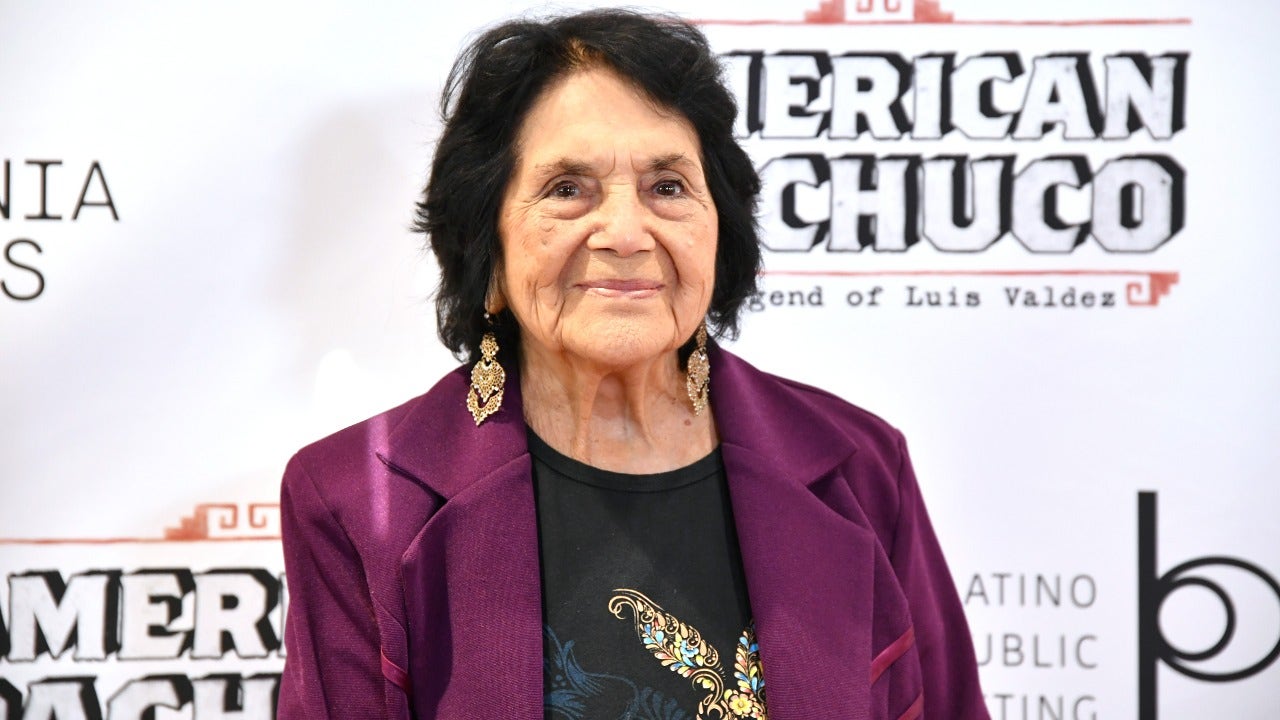
Dolores Huerta, the pioneering labor activist who co-founded the United Farm Workers union and spent decades fighting for better working conditions for America’s agricultural workers, has died. She was 96.
Huerta died at her home on Wednesday in Bakersfield, California, surrounded by her close family, her foundation announced.
Svante Myrick, president of the progressive advocacy group People For the American Way, where Huerta served on the board of directors for 22 years, remembered her as “unstoppable” in a statement remembering her legacy.
“Dolores Huerta was one of the fiercest and most consequential activists in our nation’s history,” Myrick said. “She was the first to get started in the morning and the last to quit at the end of the day.”
Born in New Mexico and raised by a single mother in California’s San Joaquin Valley, Huerta began her career as a schoolteacher before helping establish a local chapter of a grassroots organization that challenged segregation and police brutality.
CALIFORNIA DEMOCRATS DISTANCE THEMSELVES FROM FAMED PRO-UNION ACTIVIST AFTER BOMBSHELL REPORT
Eventually, her focus turned to labor organizing, and together with César Chavez, whom she’d later accuse of sexual abuse, she built the National Farm Workers Association in 1962. Four years later, that association merged with another organization to form the United Farm Workers union.
Six decades after its founding, the United Farm Workers remains the nation’s longest-standing labor union representing agricultural workers.
Huerta herself was one of the most enduring and influential labor leaders in the country, becoming known for her rallying cry, “Sí, se puede!”
In English, the slogan translates to “Yes, it can be done,” reflecting her sincere belief that ordinary people can affect political change.
Beyond her work to improve the lives of those working in America’s fruit and vegetable fields, many of whom are immigrants, Huerta became a prominent civil rights and women’s rights advocate, combating discrimination and fighting for gender equality in a labor movement that was dominated by men at the time.
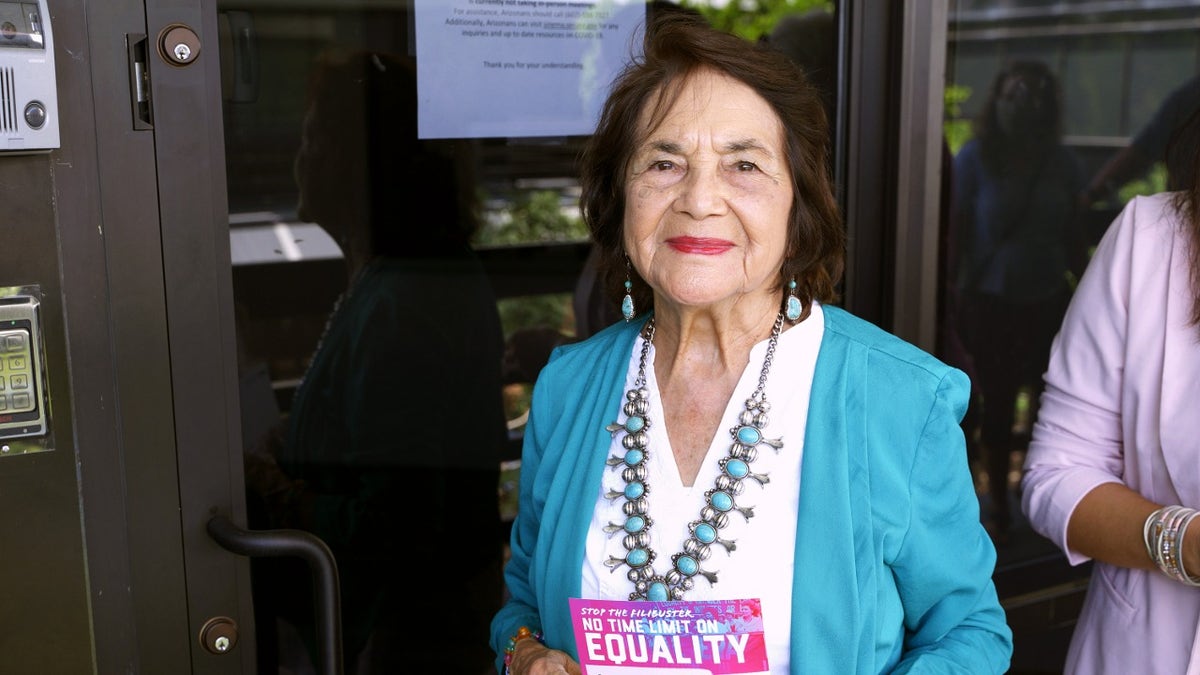
DOLORES HUERTA RECEIVES NATIONAL PRIZE FOR PUBLIC SERVICE
Huerta was one of the leaders behind the Delano grape strike, which lasted from September 1965 to July 1970. She, along with a coalition of Mexican and Filipino farmhands, accused grape growers in Delano, California, of exploiting their workers by underpaying them.
Thousands of farmworkers walked off California’s grape fields in 1965, sparking a labor movement that gained momentum in the years that followed. Huerta played a pivotal role in expanding the strike into a nationwide consumer boycott of grapes.
In the summer of 1970, the strike ended after the United Farm Workers union signed off on collective bargaining agreements that covered 10,000 workers.
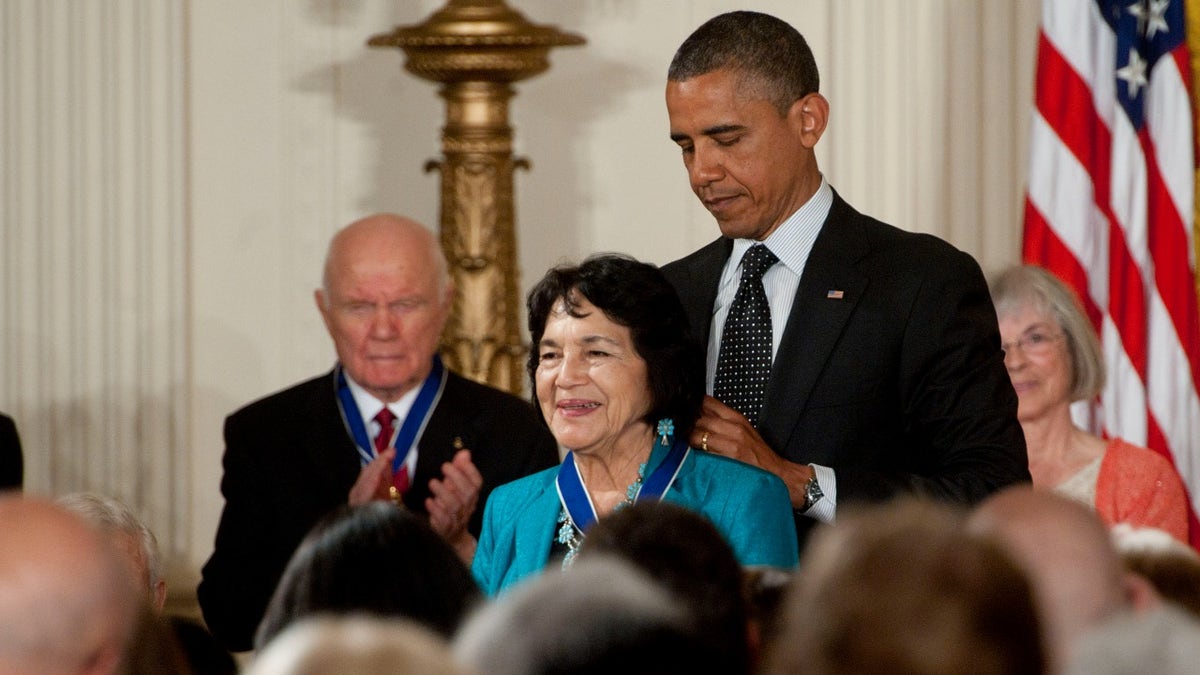
Huerta received numerous awards throughout her career, including the Presidential Medal of Freedom, the nation’s highest civilian honor. Presenting her with the award in 2012, then-President Barack Obama praised her decades of activism and joked that he had borrowed her famous slogan, “Sí, se puede,” for his 2008 presidential campaign.
DEMS FACE RECKONING AFTER PUTTING DECEASED LABOR LEADER ON PEDESTAL AS SEXUAL ABUSE ALLEGATIONS EMERGE
Earlier this year, Huerta publicly accused César Chavez of raping her in 1966 after driving her out to a grape field in Delano, where the strike was unfolding.
Huerta’s account was published in The New York Times in March alongside two other women who say Chavez sexually abused them as girls during the 1970s.
Huerta also told The Times there was another incident between her and Chavez in August 1960, when he allegedly pressured her into having sex with him in a hotel room while on a work trip in San Juan Capistrano in Southern California.
Huerta said she became pregnant following both encounters with Chavez, who died in 1993, and later arranged for the children to be adopted and raised by other families, according to a statement she released addressing the allegations.
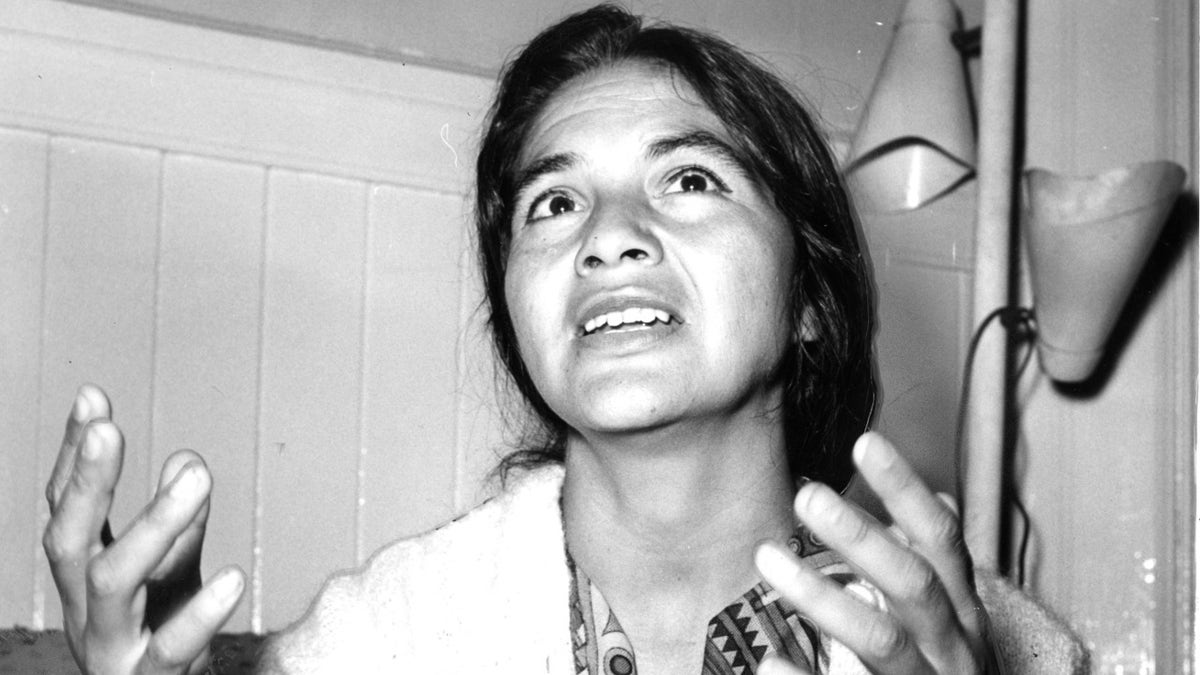
CLICK HERE TO DOWNLOAD THE FOX NEWS APP
She said she kept both the alleged assaults and the children secret for decades out of fear that others in the Latino civil rights movement would not believe her. She also worried that speaking out against Chavez, one of the movement’s most prominent figures, would ultimately damage the cause and their shared objectives.
Despite her revelation, Huerta encouraged people to continue fighting for their rights and said the labor movement was bigger than her or Chavez.
Huerta’s lifelong partner starting in the early 1970s was Richard Chavez, César’s brother, whom she had four kids with. She also had seven children from two previous marriages.
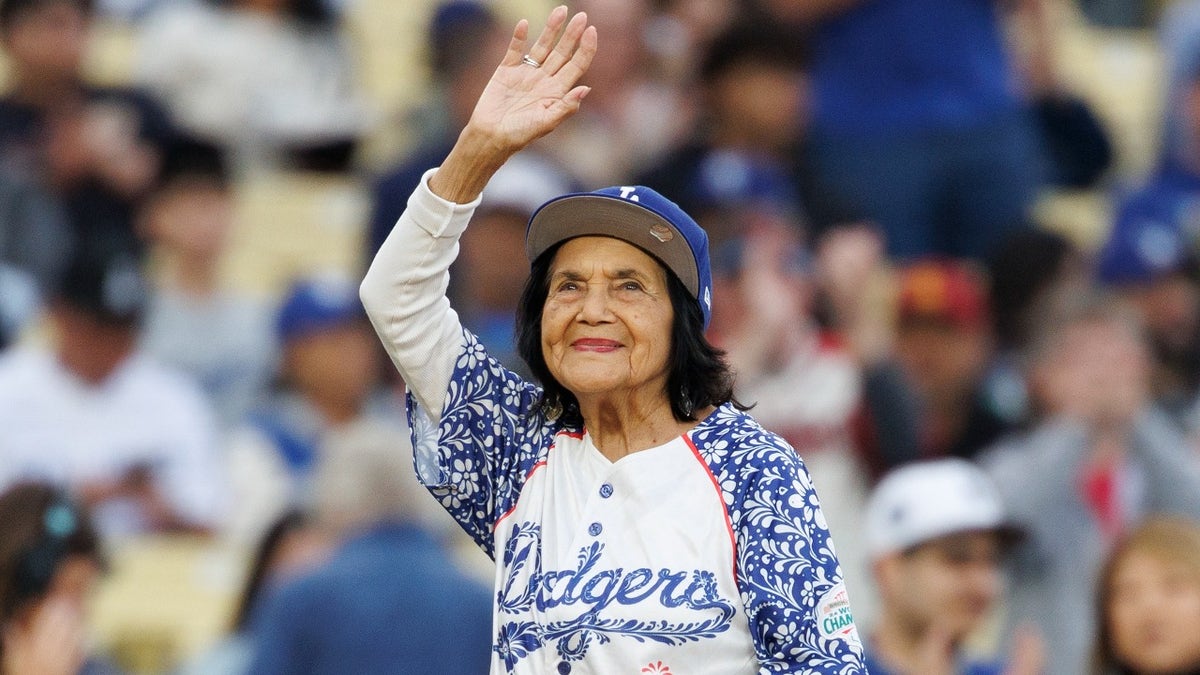
Even into her 90s, Huerta remained politically active, delivering speeches, attending rallies and speaking out on issues ranging from civil rights to national politics.
Read the full article here