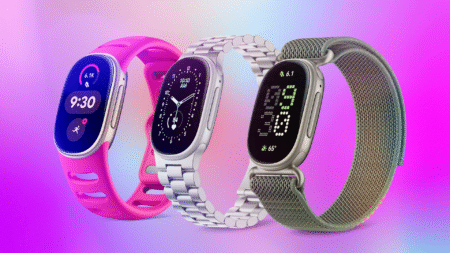




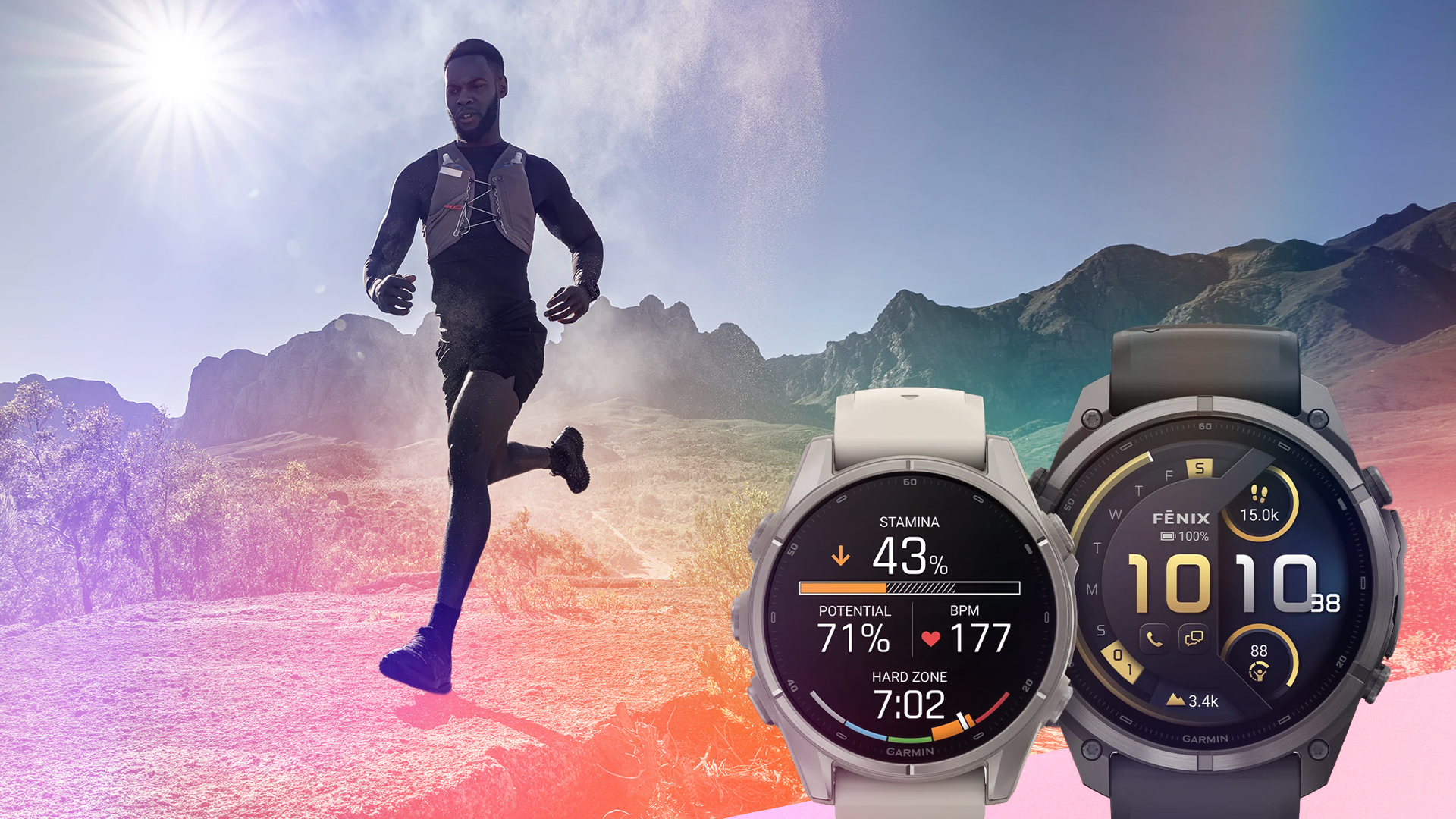
Garmin’s high-end, all-out sports watch just stepped it up. The company unveiled the Fenix 9 and Fenix 9 Pro, along with a solar-powered version of the Pro. The latter gets the first titanium case on a Fenix, pushing Garmin’s flagship even further into luxury sports watch territory.
The Fenix 9 also gets more memory and storage, better offline maps, new training tools and LTE, while the smaller 43mm Pro model gets satellite connectivity. And despite brighter displays and more horsepower, Garmin is still promising the kind of weeks-long battery life that’s become one of the Fenix’s biggest selling points.
Fenix 9 and Fenix 9 Pro pricing and availability
The Fenix 9 and Fenix 9 Pro are available to order starting Aug. 28. The Fenix 9 starts at $1,000, while the Fenix 9 Pro starts at $1,100, both with AMOLED displays. There’s also a solar-powered Fenix 9 Pro in 47mm and 51mm sizes, starting at $1,200.
The LTE versions of the Pro with satellite connectivity require an active subscription to inReach, Garmin’s satellite connectivity service. Its entry-level plan costs $8 a month and includes a 30-day free trial, but emergency SOS messaging remains free for up to 12 months after the trial ends. Other satellite messages may incur additional per-use charges depending on the plan.
A brighter screen and a titanium makeover
The Fenix 9 doesn’t look dramatically different from its predecessor, but there are some important hardware upgrades, particularly to the Pro line. Both models get a brighter AMOLED display that tops out at 3,000 nits (twice as bright as the Fenix 8), and a sapphire lens for better scratch resistance.
The Pro has also traded in its polymer-based case for Garmin’s first titanium watch case, which the company says makes it thinner and lighter without sacrificing durability or screen real estate.
The 51mm Fenix 9 Pro now has a 1.5-inch AMOLED display that’s 15% larger than the Fenix 8’s while keeping the same dimensions. The Pro also adds a new green flashlight – joining the existing white and red options – to help with night vision. They all come in 43mm, 47mm and 51mm sizing options, while the solar version (which swaps the AMOLED display for a lower-power MIP display) comes in 47mm and 51mm.
Notably absent this year is the 4,500-nit MicroLED display Garmin introduced on the Fenix 8 Pro. At the time, it was the brightest screen of any sports watch (the Galaxy Watch Ultra 2 has since dethroned it), but it also pushed the price to $2,000 and dropped smartwatch battery life to around 10 days.
 Garmin
Battery life is still the Fenix superpower
Despite the brighter displays, Garmin hasn’t sacrificed the monster battery life that helps distinguish the Fenix from most mainstream smartwatches.
The largest 51mm Fenix 9 gets up to 29 days in smartwatch mode (raise to wake), while the 51mm Fenix 9 Pro AMOLED stretches that to 31 days, per Garmin’s claims. The 51mm solar model is rated for up to 30 days without help from the sun or as much as 57 days with enough solar exposure. Garmin bases that latter claim on three hours per day outside in bright sun.
Those aren’t huge gains over the previous generation, but Garmin isn’t exactly starting from a weak position and it’s now operating with a brighter screen. Having a battery measured in weeks rather than hours becomes particularly valuable when paired with the Pro’s off-grid emergency features.
And satellite SOS now comes in a smaller package.
Garmin debuted LTE and satellite connectivity on the Fenix 8 Pro last year, but the feature was limited to its larger 47mm and 51mm sizes. The Fenix 9 Pro extends that option across to the 43mm model, meaning people with smaller wrists (like me) no longer have to sacrifice comfort for access to Garmin’s safety features.
You can send text or voice messages, share your location and trigger an SOS even when you’re off the grid without your phone in tow (or running on empty). In an emergency, the SOS connects you with Garmin Response, the company’s coordination center. It’s staffed 24/7, and it can communicate with you, contact local rescue services and keep designated family members informed. You can even get weather forecasts through satellite.
The caveat is that the satellite features require an unobstructed view of the sky and won’t work if you’re below the tree line.
And when you’re back in LTE range, you can also make and receive calls, send voice messages and share LiveTrack information. Garmin is adding Garmin Locate, which lets loved ones request your location through Garmin Messenger.
More power, storage and faster maps
Garmin also beefed up the hardware behind its maps. The Fenix 9 gets 50% more RAM than the Fenix 8, along with a more powerful map engine that Garmin says makes panning up to 30% faster.
Storage doubles to 64GB, giving you room for twice as many downloadable maps compared with the Fenix 8 and up to 7,000 songs for offline listening.
Built-in routable maps also get a new perspective view to give you a better sense of what’s coming by zooming in or out of your route.
New stamina, rowing and rucking tools
Garmin is adding new tools called Stamina Zones and Stamina Curve to its long list of training features which can show how your endurance changes over time and can help you pace yourself during activities.
Indoor rowing also gets more detailed, with VO2 max metrics and a power curve when paired with a compatible power-meter-equipped rowing machine.
Rucking (hiking with added weight) gets an upgrade too. Whether it’s a weighted vest, a loaded pack or, in my case, a small child on your back, you can now change your pack weight during an activity, follow workouts directly from the watch and set targets such as calories burned with up to 100 kilograms (220 pounds) of additional weight.
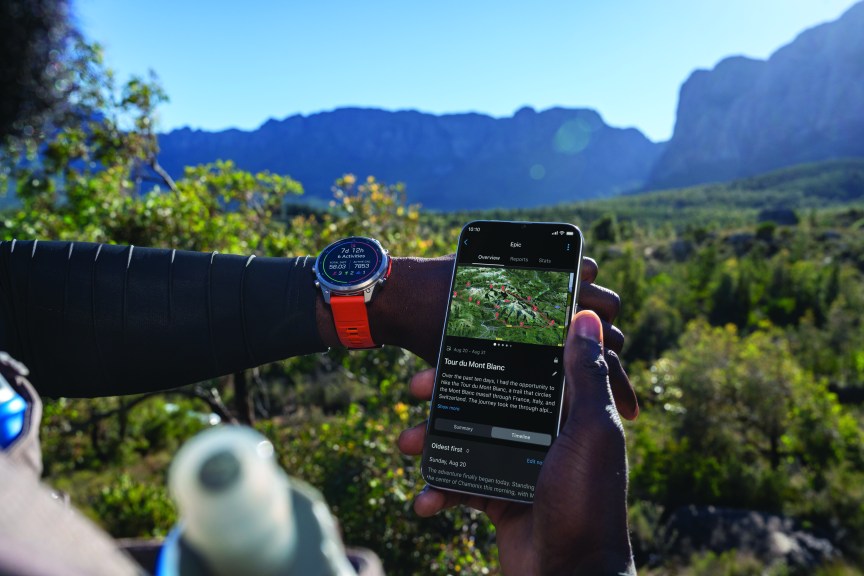
Garmin is also launching a new feature called Garmin Epic, which groups multiple activities into one shareable story via its Garmin Connect app. A multiday backpacking trip, cycling tour or even a months-long training plan can be bundled together with health and performance data and photos to share (or boast) on your feed.
Fenix 9 and Fenix 9 Pro: Bottom line
Garmin has refined the things that make the Fenix stand out: never-ending battery life, serious navigation tools and a potential lifeline for people venturing off the grid. Whether that’s worth four figures will come down to how much you value that extra endurance and independence.
At $1,000 and up, it’s still a serious splurge, especially when there are so many other more affordable and capable options in Garmin’s line-up. And if prices on the Fenix 8 Pro start to drop, it could become the better deal for people who still want weeks of battery life and satellite connectivity but don’t need the brighter screen, titanium case, faster maps or 43mm option.

See full bio
Read the full article here