

One inner Brisbane high school has slashed its suspension rate from the second-highest in Brisbane – equivalent to one-in-three students – to its lowest recorded rate.
Meanwhile, other schools across Brisbane had spikes of up to 19 per cent in the rate at which students were suspended in 2025, according to data from Queensland state school annual reports released this month.
More than 90 state schools – that is, most of those within the Brisbane city bounds – recorded either a drop or no change in their suspension rates from 2024 to 2025.
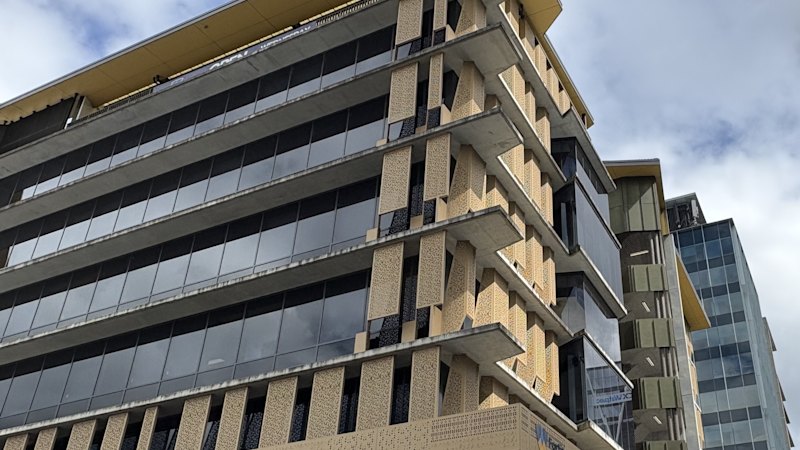
At the top of that list, Fortitude Valley State Secondary College cut its suspension rate by more than 32 percentage points following an all-time high of 34.4 per cent in 2024.
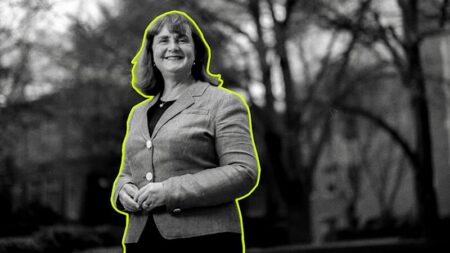
Principal Chrissie Coogan blamed the earlier increase on enrolment growth, but said the school was focused on centring student voices and families’ feedback.
“The college was highly responsive to community feedback in partnering with parents and caregivers through the P&C and community feedback forums,” she said.
In the first three years after the school opened its doors in 2020, it has recorded suspension rates between 2.2 per cent and 8.5 per cent, while the student body grew by about 150 students each year.
Queensland state schools can take four types of formalised disciplinary action against students, which are recorded in annual reports released midyear.
These include short suspensions (one to 10 days), long suspensions (11 to 20 days), exclusions, which prohibit a student from the school for at least one year, and cancellation, which end enrolment for students with ailing attendee who are older than 16 or have completed year 10.
Fortitude Valley handed out two exclusions in 2025 and none in 2024.
Austin Gibbs, whose daughter attends Fortitude Valley despite living in the catchment for Coorparoo Secondary College, and a similar distance from Brisbane State Secondary College, had only positive things about the school’s culture.
“[My daughter] was impressed by the freedom and the innovation that’s going on,” he said. “She seems to be quite happy, so that’s a real positive.”
Coorparoo Secondary College last year recorded the highest suspension rate of any Brisbane school last year, at 29.2 per cent – a 16.5 percentage point jump from 2024.
The highest increase in suspension rate was recorded at Zillmere State School, which increased from a 5.7 per cent 2024 figure to about 25 per cent in 2025.
Dr Matthew White, who specialises in inclusion and school attendance at the Australian Catholic University, said while some schools used suspensions as punishments, they could be more effectively used to create space between the school and student while a re-entry plan was created.
“I think there’s a myth there that suspensions are punitive,” he said.
White said high suspension rates were influenced by the student body – such as their disabilities, issues at home, or behaviour issues – and how the schools handled discipline.
“It’s symptomatic – [these schools] don’t have broader systems and structures,” he said.
“Sometimes it’s schools put in these untenable positions, so you have to think of it contextually.”
He said longer and harsher suspensions could often erode the relations between the school and the student, or student’s family, and advocated for schools noticing issues early and providing support measures.
From our partners
Read the full article here