

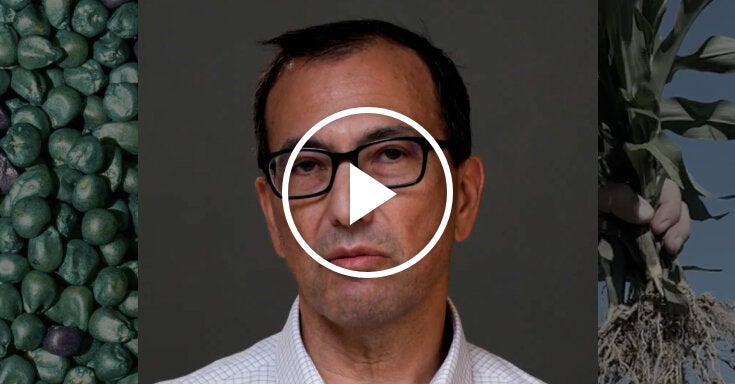
Much of the food we eat is grown with synthetic fertilizer, which is a huge source of climate change. But now, a seed with DNA-modified bacteria is reducing the amount of synthetic fertilizer that farmers have to apply to their fields. Eric Lipton, an investigative reporter for The New York Times, explains.
Read the full article here

Trending
- Jerry Jones Blames Cowboys Coaching Staff For Week 3 Loss To Ravens
- Boeing lands $20B-plus Navy deal for sixth-generation fighter to deliver ‘absolute air superiority’
- Google Pixel 11A Leak May Have Revealed a New Color and Spec Bumps
- Nearly dozen of Winnipeg school trustees acclaimed ahead of election
- Consortium named frontrunner to build Brisbane’s 2032 Olympic stadium
- Charlie Kirk's mother has emotional response to Erika Kirk speculation in rare interview
- Trader Joe’s, Welch’s slapped with lawsuits over ingredients lurking in ‘sugar-free’ foods
- Monster hurricane barrels toward US with ‘34 trillion gallons of rainfall’ — and what it means for California