



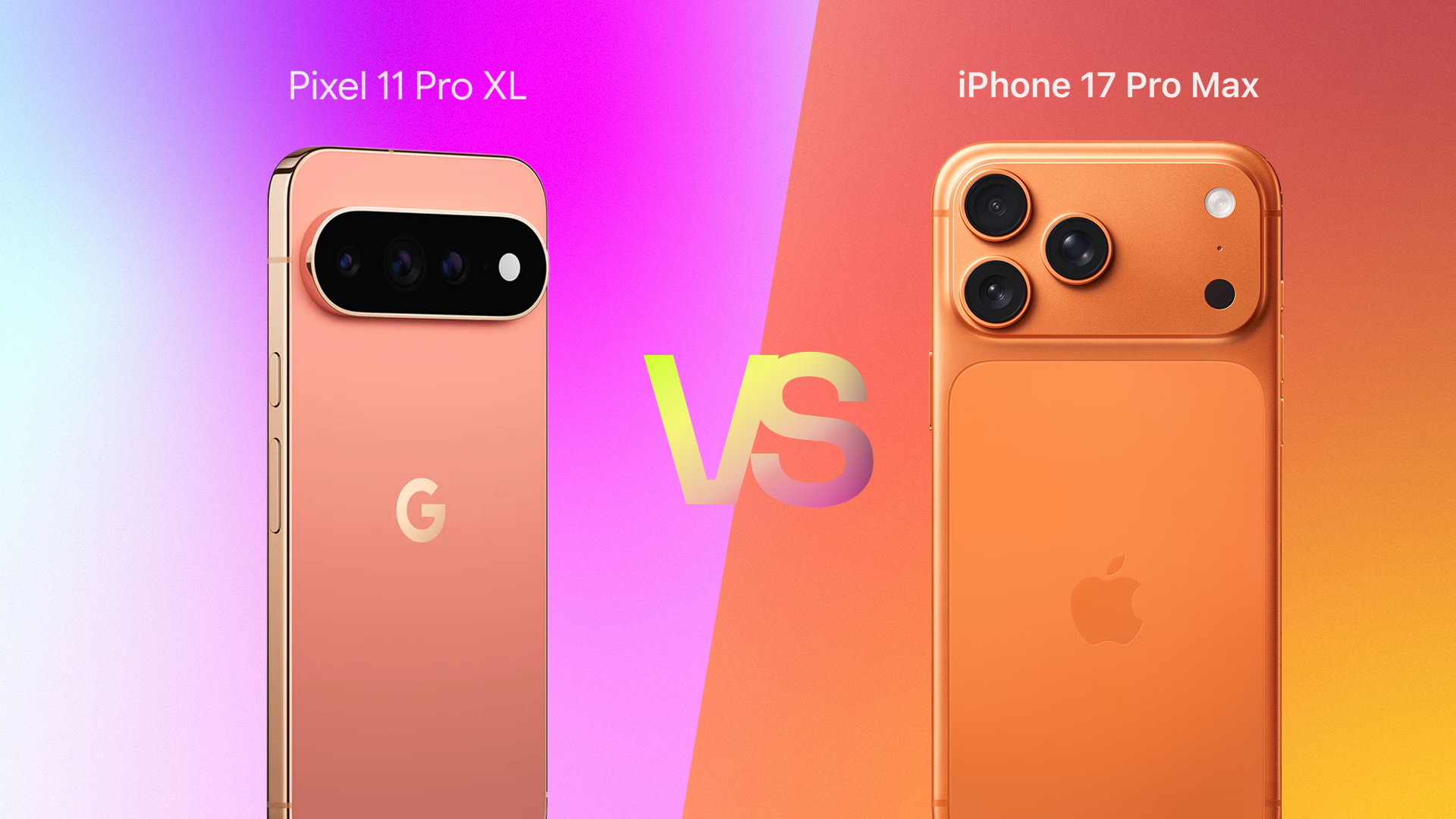
Google just unveiled its latest lineup of Pixel phones, including the Pixel 11, Pixel 11 Pro, Pixel 11 Pro XL and Pixel 11 Pro Fold. If you’re looking for the model with a bigger screen, consider the Pro XL, which now starts at $1,299 for the 256GB storage configuration.
The Pro XL model has always been Google’s big-screen, big-battery flagship and typically features the company’s latest developments in screen technology, performance and camera quality. That holds true this year, with the Pixel 11 Pro XL fielding its brightest display yet (up to 3,600 nits), a more AI-optimized Tensor G6 chipset and a new camera system that can capture up to 120x distances with Super Res Zoom. There’s plenty of flashy AI tricks to go around, too.
If many of those aspects remind you of another big-sized phone, then that makes two of us.
The Pixel 11 Pro XL competes closely with Apple’s $1,199 iPhone 17 Pro Max, which continues to hold up as the best premium iPhone on the market. While Apple is expected to launch the iPhone 18 series as early as September, the current model remains a formidable option for those planning to upgrade today.
And if you’re now split between the new Pixel 11 Pro XL and the iPhone 17 Pro Max, here’s a breakdown of how the two flagships compare across key categories.
Pixel 11 Pro XL vs. iPhone 17 Pro Max: Design and display
On the surface, the two phones are built rather similarly, with a combination of recycled plastics, metals and aluminum surrounding the displays, cameras and internal components. The iPhone has a slightly larger 6.9-inch OLED display compared with the Pixel’s 6.8-inch OLED, but you likely won’t notice the difference.
Where things begin to separate is with the screen brightness, at least on paper. The new Pixel 11 Pro XL is rated for 3,600 nits of peak brightness, making it one of the brightest phones you can buy. By comparison, the iPhone 17 Pro Max peaks at 3,000 nits. We’ll have to see if the difference in numbers translates into real-world advantages, such as the legibility of text and pictures outdoors. Stay tuned.
The design of the cameras is different, too, both on the front and the back. On the front of the Pixel 11 Pro XL, there’s a punch-hole camera that’s strictly used for facial recognition and selfies. Whereas on the iPhone (as has been the case with iPhones for the last few years), there’s the pill-shaped Dynamic Island that doubles as a status indicator for quick access to the music player, timers, Uber rides and more.
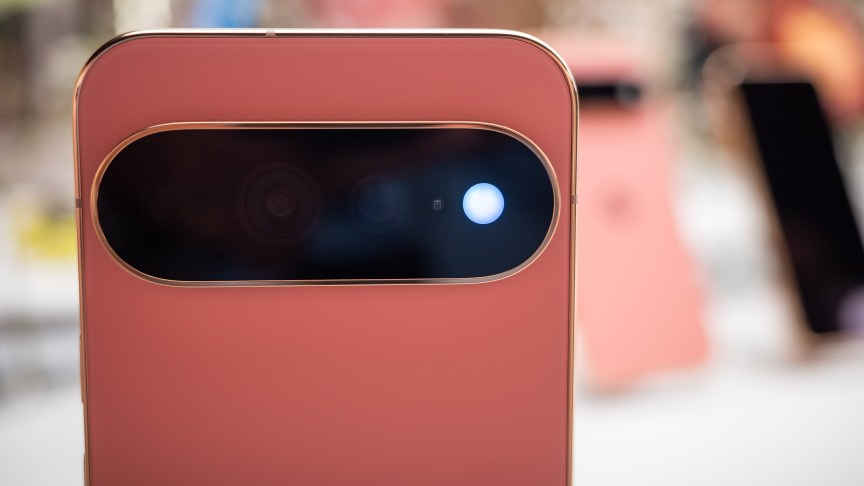
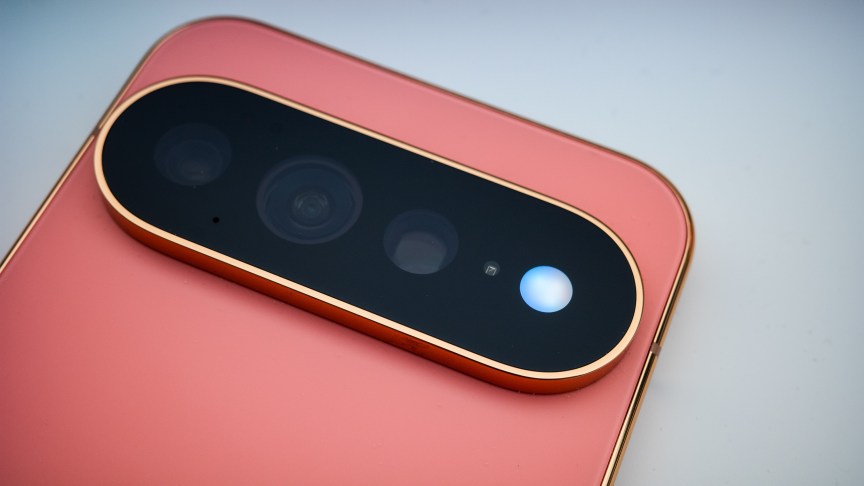
Besides making the Pixel 11 Pro XL’s camera bump slimmer this year, Google has also integrated a new HiLight LED that pulses colors based on who’s calling you or if you’re conversing with Gemini. It’s a modern interpretation of the notification LED found on BlackBerrys and old-school Android phones, and it could be even better if Google expands its customizability in the future. The iPhone 17 Pro Max doesn’t have this exact feature, but the Always-On Display option, as well as the Flash for Alerts toggle within the Accessibility settings, are decent alternatives for staying on top of notifications without waking up your phone.
The iPhone also has two extra buttons. The Action Button is the most flexible, which you can program to perform unique functions, such as starting cooking timers and triggering Shortcuts – ordering coffee from Dunkin’ Donuts shouldn’t be this easy. It also has a Camera Control button, meant for quickly turning on the camera, and its pressure sensitivity helps for adjusting settings before taking a photo.
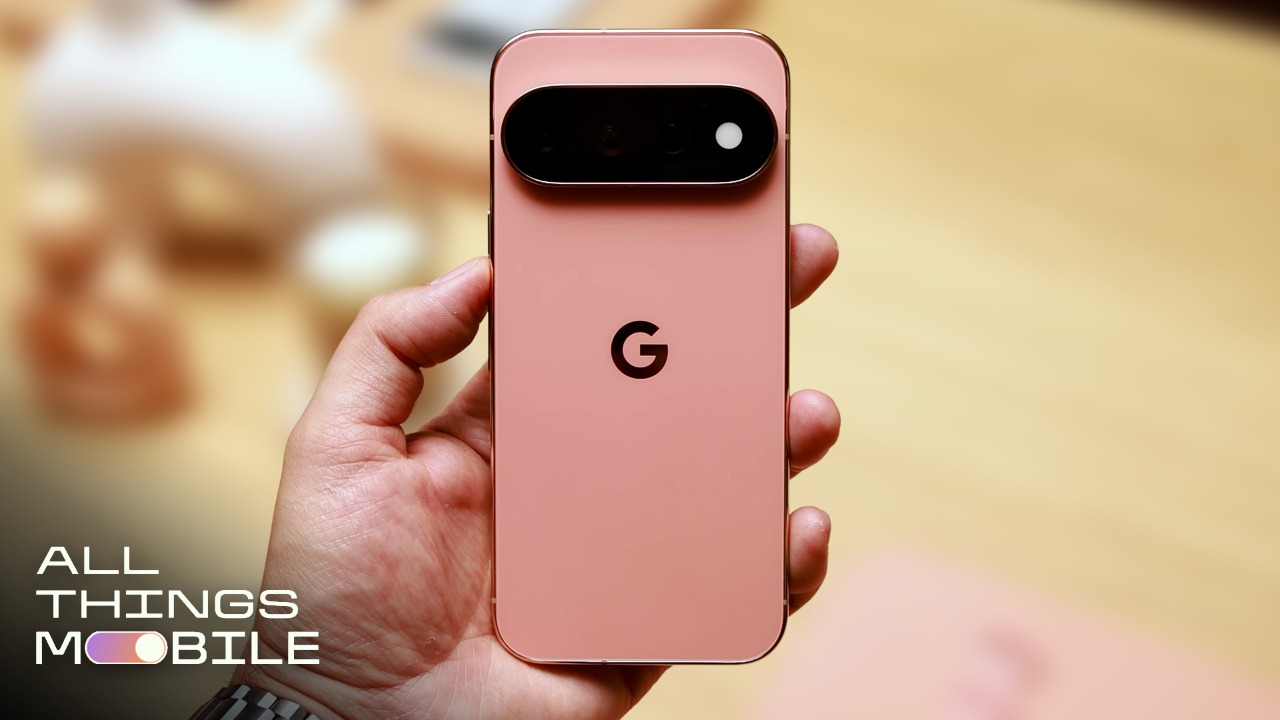
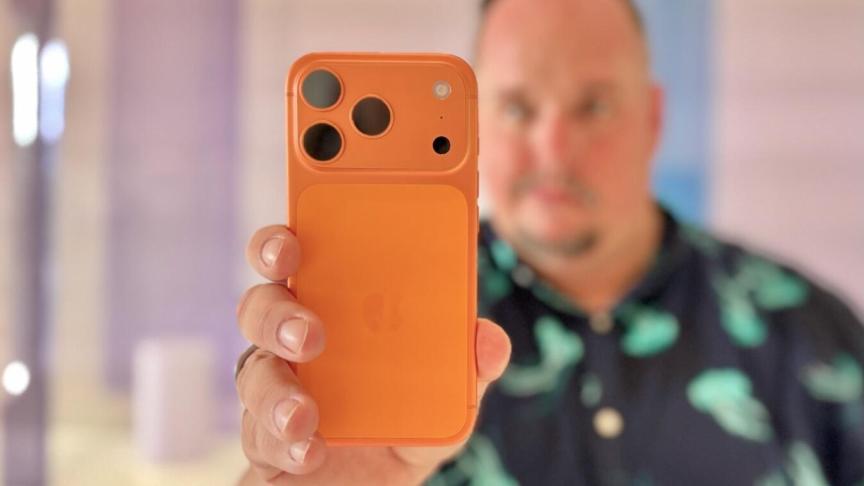
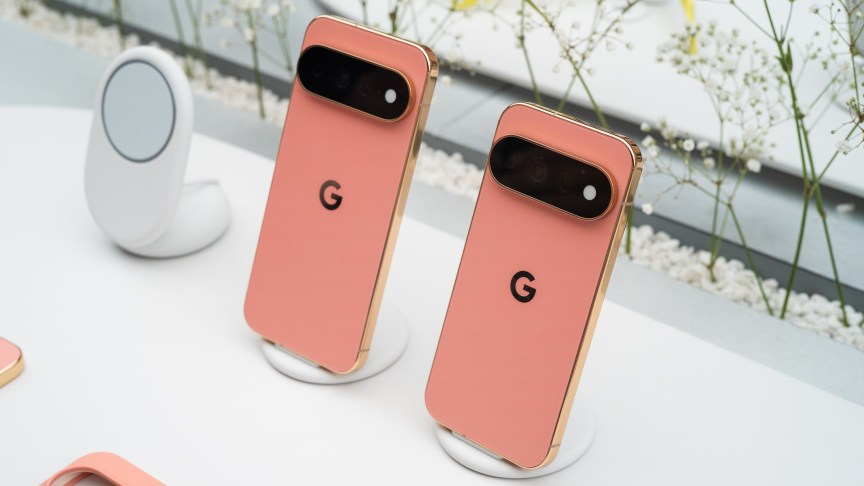
Lastly, each device comes with a set of unique and mostly fun colors. The Pixel 11 Pro XL comes in Olive (an earthy green), Fog (gray), Obsidian (matte black) and Canyon (with warm, salmon-ish tones). The iPhone 17 Pro Max comes in Deep Blue, Silver and Cosmic Orange – the latter of which shimmers with bold, vibrant hues. Pumpkin? Fanta? Cheetos?
Pixel 11 Pro XL vs. iPhone 17 Pro Max: Performance and battery
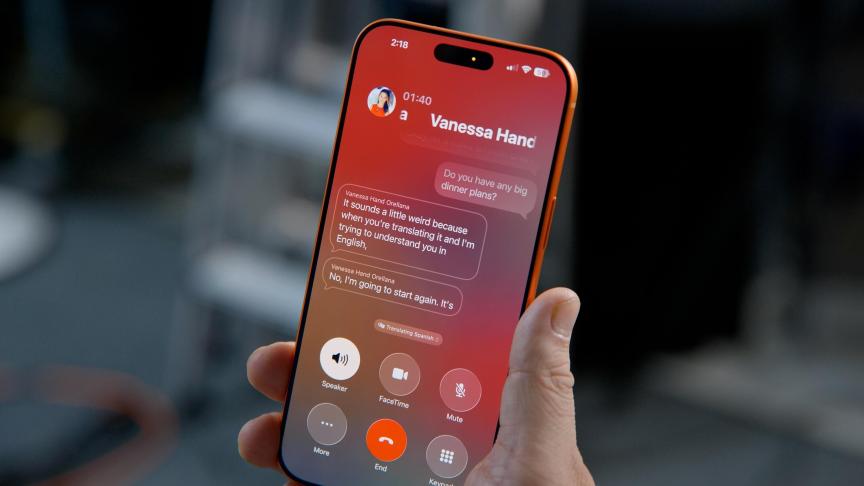
Google says the new Tensor G6 chipset should yield 25% faster browsing speeds and 3.5 times faster on-device AI processing, among other benefits, for the Pixel 11 Pro XL. While I would file most of those numbers in the marketing drawer, our early hands-on experience with the phones demonstrated the processor’s fluidity and snappiness on Android 17.
We’ll have to benchmark the phone to get a full read on its performance, especially under duress and in real-world usage. But the fact that the Tensor G6 is built on a 2nm (nanometer) architecture, compared to the iPhone 17 Pro Max’s 3nm A19 chipset, should give it an edge. The smaller nanometer value implies that Google was able to fit more transistors in the same space, thereby improving the phone’s overall performance and power efficiency.
That last point is important because the Pixel 11 Pro XL packs a 5,115-mAh battery. That’s a sizable capacity compared with the industry average (between 4,500 and 5,000), and just barely larger than the iPhone 17 Pro Max’s 5,088 mAh. So it all comes down to how efficiently the phones can operate, from the heat dissipation of the vapor-cooling chambers on both devices to the computational synergy with Android 17 and iOS 26. The Pixel 11 Pro XL still needs to go through CNET’s battery tests, but it does have a high bar to overcome: the iPhone 17 Pro Max recently won CNET’s Lab Award for having the best battery life among all of the phones we’ve tested in 2025 and early 2026.
I can’t compare the Pixel 11 Pro XL to the iPhone 17 Pro Max without mentioning the Gemini versus Siri debate. On the Pixel 11 Pro XL, Gemini can leverage the internet to run agentic (in the background) tasks, such as ordering a DoorDash for you while you’re browsing. Features like Rambler, which filter out filler words like “ummm” and “ahhh” when you’re dictating, are more grounded but just as technically advanced.
Until Apple launches iOS 27 to the public later this year, the iPhone 17 Pro Max and Siri are more limited in functionality. As of today, you can use the assistant to interact with native apps like iMessage, such as sending a text to a contact or drafting an email. You’ll also notice some Siri/AI smarts when inquiring about on-screen elements or via the camera app.
The takeaway: Gemini is superior, but buying an iPhone doesn’t mean you’re completely locked out of using Google’s AI features. If anything, wait until iOS 27 and Siri AI launches (or download the public beta) to get a full scope of how AI is utilized across the two phones.
Pixel 11 Pro XL vs. iPhone 17 Pro Max: Cameras
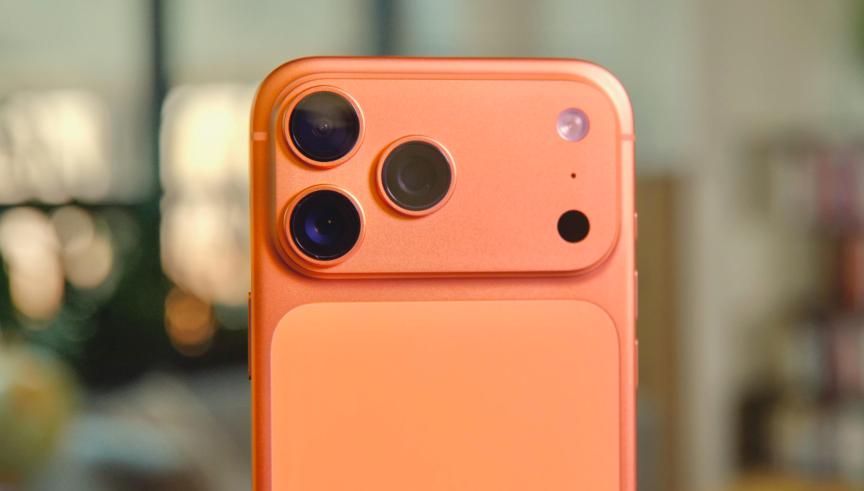
As far as the cameras go, both phones feature a triple-camera setup, with capabilities that go beyond the hardware specs.
Pixel and iPhone cameras
| Wide-angle | Ultrawide | Telephoto | Selfie | |
| Pixel 11 Pro XL | 50 megapixels | 48 megapixels | 50 megapixels (5x) | 42 megapixels |
| iPhone 17 Pro Max | 48 megapixels | 48 megapixels | 48 megapixels (4x) | 18 megapixels |
CNET’s Jeff Carlson compared the Pixel 10 Pro XL’s cameras with the iPhone 17 Pro Max’s last year and found the two going neck-and-neck across different conditions, lighting environments and subject types. We’re talking high marks for capturing and retaining details and colors, even when sensor-cropping.
I’m expecting similar results this year, as Google has put more effort into improving the ease of capturing photos and videos, such as the speed at which Night Sight photos are taken and processed, than anything else. The company is also touting its Magic Capture Mode, which lets you record a video while the phone automatically captures shots it deems ideal. This could be great for taking photos of moving subjects like pets, kids and sports events where getting a perfect shot is challenging.
If you’re less enthusiastic about AI enhancements, Google’s new Camera Looks feature lets you apply film-inspired color profiles before taking photos, bypassing the computational modifications that typically happen between you capturing and opening the photo in the gallery.
The iPhone 17 Pro Max has a similar capability called Photographic Styles, which lets you adjust the tone, shadow levels, color temperature and other settings in the camera app.
Pixel 11 Pro XL vs. iPhone 17 Pro Max: Storage, charging and other specs
The charging specs of both phones are quite similar. The Pixel 11 Pro XL is slightly faster, with a max wired charging rate of 45 watts, compared with the iPhone 17 Pro Max’s 40 watts. As for wireless charging, the Pixel 11 Pro XL and iPhone 17 Pro Max both support 25-watt speeds over Qi2.2 with native support for magnetic accessories like Google’s PixelSnap and Apple’s MagSafe wireless chargers. In our wireless charging tests, the 17 Pro Max recharged by 53% in 30 minutes. We’ll have to run the Pixel 11 Pro XL through the same test, but for reference, last year’s 10 Pro XL recharged by 32%.
With Google raising the base price of the Pixel 11 Pro XL this year, its configurations (256GB, 512GB and 1TB) are now on par with those of the iPhone 17 Pro Max. That means your buying decision, when it comes to pricing at least, may boil down to how competitive your carrier or online retailer’s trade-in credits and promotions are.
While iPhones and Samsung Galaxy phones are notorious for getting the most aggressive BOGO and “free phone” deals, Google Pixel customers should find similar buying opportunities, especially during these initial launch weeks, now that you can preorder it. With Apple set to launch new iPhones next month, you may even find a second-hand iPhone 17 Pro Max for less money. And this sort of price comparison is all the more important, as phone costs continue to rise amid an ongoing RAM shortage that’s driving up manufacturing costs. Apple raised the prices on over a dozen products this summer, and we’ll find out soon if the expected iPhone 18 Pro Max ends up following suit.
Check out the chart below for more specs to compare between the Google Pixel 11 Pro XL and Apple’s iPhone 17 Pro Max.
Google Pixel 11 Pro XL vs. Apple iPhone 17 Pro Max specs
| Google Pixel 11 Pro XL | Apple iPhone 17 Pro Max | |
| Display size, resolution | 6.8-inch OLED, 2,992×1,344 pixels, 120Hz refresh rate | 6.9-inch OLED; 2,868 x 1,320 pixel resolution; 1-120Hz variable refresh rate |
| Pixel density | 486 ppi | 460ppi |
| Dimensions (inches) | 6.4 x 3.0 x 0.3in | 6.43 x 3.07 x 0.34 in |
| Dimensions (millimeters) | 162.6 x 76.2 x 7.6mm | 163.4 x 78.0 x 8.75 mm |
| Weight (ounces, grams) | 227 g (8.0 oz) | 233 g (8.22 oz) |
| Mobile software | Android 17 | iOS 26 |
| Camera | 50-megapixel (wide), 48-megapixel (ultrawide), 48-megapixel (telephoto) | 48-megapixel (wide) 48-megapixel (ultrawide) 48-megapixel (4x, 8x telephoto) |
| Front-facing camera | 42-megapixel | 18-megapixel |
| Video capture | 8K at 30fps | 4K |
| Processor | Tensor G6 | Apple A19 Pro |
| RAM/Storage | 12GB RAM + 256GB, 16GB + 512GB, 1TB | RAM N/A + 256GB, 512GB, 1TB, 2TB |
| Expandable storage | None | None |
| Battery/Charger | 5,115 mAh | 5,088 mAh |
| Fingerprint sensor | Under display | None (Face ID) |
| Connector | USB-C | USB-C |
| Headphone jack | None | None |
| Special features | HiLight LED, 45W wired charging, 25W Qi 2.2 wireless charging, Gemini, Magic Capture, Creator Suite Rambler, Live Translate with American Sign Language, IP68 dust and water resistance, 7 years of software and security updates | Apple N1 wireless networking chip (Wi-Fi 7 (802.11be) with 2×2 MIMO), Bluetooth 6, Thread. Action button. Camera Control button. Dynamic Island. Apple Intelligence. Visual Intelligence. Dual eSIM. ProRes Raw video recording. Genlock video support. 1 to 3,000 nits brightness display range. IP68 resistance. Colors: silver, cosmic orange, deep blue. Fast charge up to 50% in 20 minutes using 40W adapter or higher via charging cable. Fast charge up to 50% in 30 minutes using 30W adapter or higher via MagSafe Charger. |
| Price (USD) | $1,299 (256GB) | $1,199 (256GB) |

See full bio
Read the full article here