




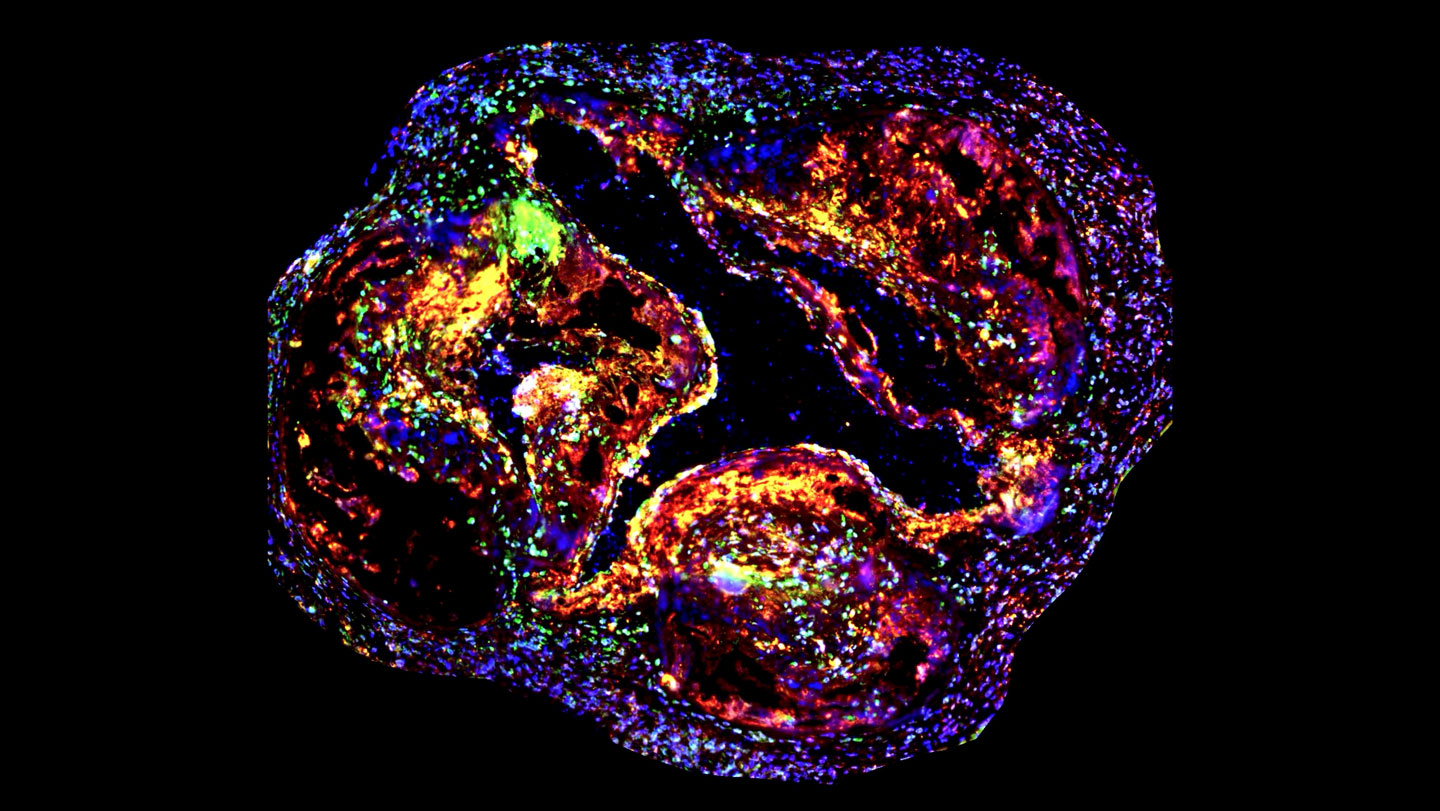
Getting solid shut-eye and hitting the gym could offset the impact of some genetic mutations that raise the risk of heart disease and stroke.
Mutations that accumulate in immune cells over a lifetime can intensify inflammation and promote cardiovascular disease, independent of traditional risk factors such as smoking, diabetes or high cholesterol. But sleep and exercise can weaken the harm of certain mutations, researchers report June 10 in Nature.
The finding illustrates a complex interplay between genetics and behavior. Whereas you can stop smoking, you can’t just get rid of your genes. But you may be able to take actions to influence their activity, says Teresa Gerhardt, a physician who studied cardiovascular disease as a postdoc at the Icahn School of Medicine at Mount Sinai in New York City.
Each day, stem cells in our blood divide and replicate to generate billions of new immune cells. This process replenishes and maintains the body’s defense system but also creates DNA glitches. Many of these mutations are harmless. But variants of some genes can accumulate disproportionately in the blood — a condition known as clonal hematopoiesis, or CH.
In the 2010s, researchers searched for gene variants associated with CH in DNA from blood drive samples. They figured these mutations could be a first step on the path toward cancer, akin to polyps detected in a colonoscopy, says Siddhartha Jaiswal, an immunologist at Stanford University School of Medicine who was not involved in the new study.
Jaiswal and his colleagues detected such mutations in more than 10 percent of people over 70 years old. Those individuals had a higher risk of blood cancer, as expected. The surprise: The mutations were also associated with a 30 to 40 percent higher death rate, largely due to fatal strokes and heart attacks. In a large, randomized trial, an anti-inflammatory drug offered modest cardiovascular benefit for high-risk patients.
Past mouse experiments revealed the “how.” Immune cells called macrophages swarm into clogged arteries to chew up cholesterol deposits. But they also release inflammatory signals, raising the risk of atherosclerosis. Some CH mutations intensify this immune response to the plaques collecting in blood vessels, says Mount Sinai neuroimmunologist Cameron McAlpine.
Other research had suggested that nongenetic factors such as diet and infections could influence the extent to which these heart disease–linked CH mutations accumulate. So McAlpine, Gerhardt and colleagues investigated whether lifestyle changes could mitigate the risk of genetically driven cardiovascular disease.
Evaluating genetic data and physical activity levels from more than 91,000 U.K. and U.S. adults, the team found a modest effect: The proportion of individuals carrying certain CH mutations dropped 13 percent in the subset with moderate to vigorous activity.
The data were stronger in mice, where behavioral changes had a clear influence on atherosclerosis. The mice were genetically engineered to have CH mutations and fed a high-cholesterol diet. Some animals were given an exercise wheel. That prompted a boost in physical activity, with many running 10 kilometers per day voluntarily. Others were subjected to sleep disruption from a bar that moved across the cage floor, nudging the animals awake every few minutes.
These lifestyle changes influenced the frequency and behavior of mutant macrophages in some mice. “If you exercise, you have smaller plaques and less disease, and if you sleep badly, you have more disease,” says Gerhardt, who has since moved to Germany to start her own lab at Goethe University Frankfurt.
However, the effect of these behaviors was not universal. The team looked at variants of four different genes implicated in CH.
“Adequate sleep or exercise can reverse the atherosclerosis risk, but it’s different for the different [gene] variants — the degree to which that occurs, and whether it occurs at all,” says Allan Tall, a pulmonologist at Columbia University who studies molecular mechanisms of cardiovascular diseases but wasn’t involved in the new work.
But since one of the more harmful mutations is not so rare — found in 3 to 4 percent of Europeans — the study’s finding that lifestyle factors eased cardiovascular risk in mice with this mutation “could apply to a sizeable segment of the population,” Tall says.
Read the full article here