




There are calls for Australian hospitals to begin rolling out the Sleep Health Foundation’s code of practice for sleep care in hospitals.
Under the proposed code, hospitals would avoid using public address systems in patient areas, except in emergencies; all noise sources would be reviewed and the volume reduced if safe; and patients would be given headphones if they want to watch TV during designated quiet times.
Hospital beds can be uncomfotable to sleep on.Credit: Peter Braig
Torches rather than overhead lights would also be used by staff at night in patient sleeping areas, when practical to do so.
Associate Professor Alan Young, a Melbourne sleep and respiratory physician, said research he’d been involved in showed patients were woken as often as four to six times every night for scheduled checks and medicines.
Young said for very sick patients, it was important they had close monitoring and medications “on the dot”, but for those who were stable there was a case to be made for more flexibility of hospital routines to allow proper rest.
Young said that for the body clock to work well, people were exposed to sunshine and bright light during the day and darkness overnight.
Tips for better sleep in hospitals (according to the Sleep Health Foundation)
- Use an eye mask and earplugs
- Avoid long naps in the late afternoon or evening
- Ask for extra blankets or pillows if you’re not comfortable
- Open the curtains in the morning or spend some time in the sun, if possible
- Avoid coffee or other stimulants later in the day
- Take time to relax as you prepare to sleep. Listen to soothing music using headphones
- Be mindful of other patients by keeping noise to minimum
- If possible, leave shared wards for longer phone calls
- Ask visitors to come only during permitted times
“In hospital, what happens is you often get exposed to bright light in the evening because you’ve got lights on for staff, you’ve got lights on in the corridors, you’ve got lights on to do the vital signs measurements,” he said.
“And then often during the daytime, it can be dark. The blinds might be shut … so we can get a reversal of the normal light and dark exposure.”
But, so far, there’s been muted interest from Australian hospitals to adopt the sleep code of practice.
“For a lot of hospitals, it’s just not a priority … [The thinking is], ‘Oh, don’t give me one other thing to get accreditation for’. They’re under so much pressure,” said Dr Moira Junge, a health psychologist and chief executive of the Sleep Health Foundation.
Loading
However, Junge and other sleep specialists argue that there are pressing reasons hospitals should prioritise patients’ sleep. Sleep deficiency has been linked to a poorer immune system function, depressive mood, delirium and a greater risk of healthcare-associated infections.
The Australian Patients Association, the Victorian Department of Health and the Australian College of Midwives have also pointed to another potential solution to the issue – discharging some patients from hospital altogether, and providing care for them in their homes.
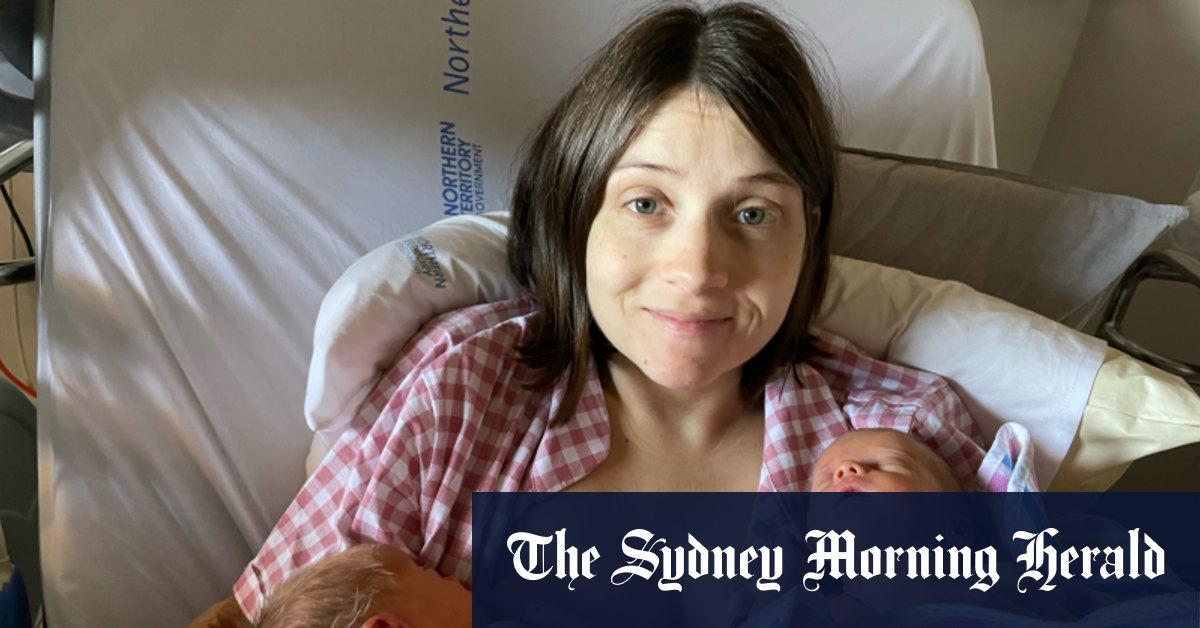
MacLennan, who barely slept during her recent hospital stay, said that while the midwives, nurses and obstetricians provided great care, the lack of recognition of the importance of sleep in the overall functioning of the hospital left her severely exhausted and affected her breastfeeding and memory.
“I was crying constantly,” she said. “It was very stressful, and I was just falling apart a bit.”
Get the day’s breaking news, entertainment ideas and a long read to enjoy. Sign up to receive our Evening Edition newsletter.
Read the full article here