




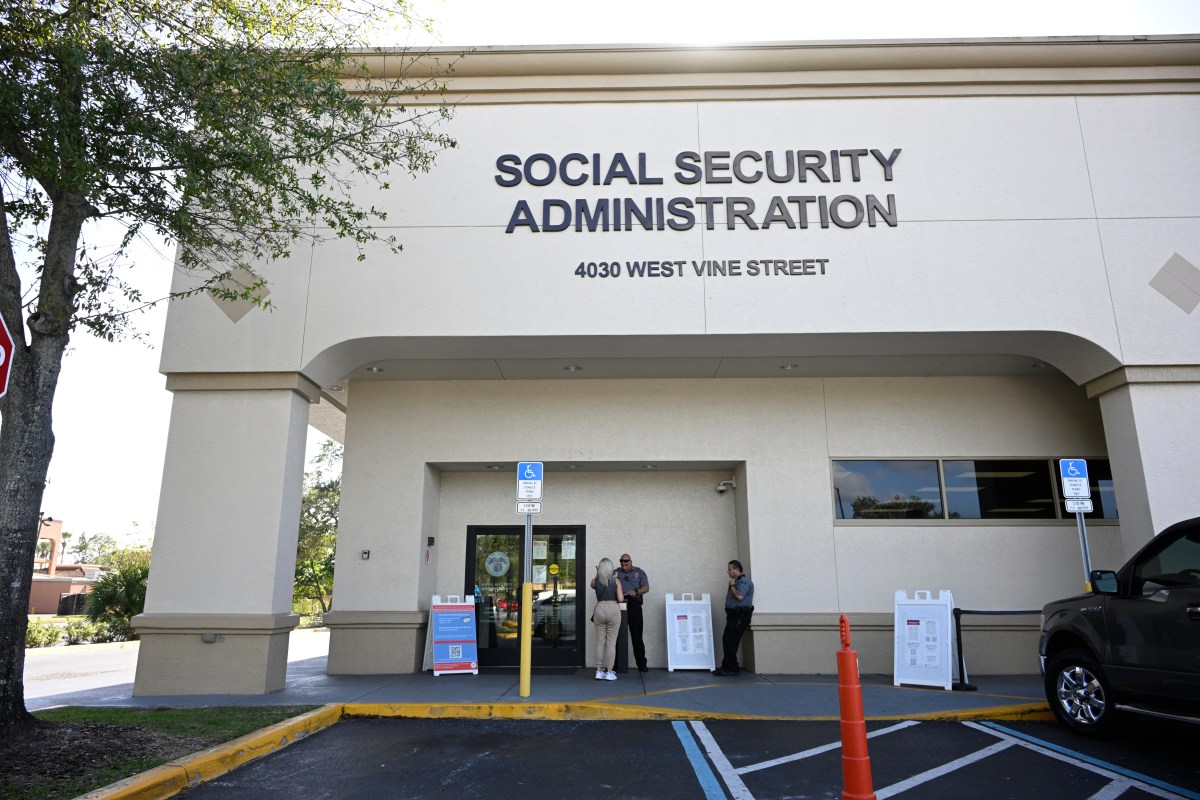
Millions of Social Security recipients are set to receive their monthly payments in the coming days.
Why It Matters
More than 70 million Americans rely on Social Security as a key source of income, whether for retirement, disability support or survivor benefits. Given the scale of the program, the Social Security Administration (SSA) distributes payments on a staggered timetable each month instead of issuing them all at once.
Most payments go toward retirement and related benefits, which provide monthly income to eligible workers and certain family members, as well as survivor benefits for families after a worker’s death. The SSA also oversees disability and income-support programs, including Disability Insurance for workers unable to continue employment due to a qualifying disability, and Supplemental Security Income (SSI), a needs-based program for older adults, blind individuals and people with disabilities with limited financial resources.
When Are Payments Coming?
On April 22, those born on the 21st to 31st of any month will receive their SSA benefits. This is the final payment date for April, with another batch of payments arrive in May.
If a payment does not arrive as scheduled, recipients are generally advised to allow up to three business days before contacting the SSA.
How Much Is Social Security?
Retired workers will get $2,079.49, disabled workers get $1,634.51 and survivor benefits are $1,624.37.
Monthly retirement benefits differ from person to person. How much you are entitled to depends on your earnings history and the age at which you begin claiming.
Eligibility requires earning at least 40 Social Security credits, with workers able to accrue up to four credits per year—meaning most qualify after roughly a decade of work.
For those with the highest lifetime earnings, the timing of when benefits are claimed can make a notable difference. A worker who consistently earned the taxable maximum from age 22 and starts collecting in 2026 could receive about $4,152 per month at full retirement age. Claiming at 62 would reduce that amount to roughly $2,969 per month, while delaying until age 70 could increase it to around $5,181 per month.
However, the majority of retirees receive less than these maximum figures. As of December 2025, the average monthly benefit for a retired worker stood at $2,071.30.
What Happens Next
According to a recent analysis from the Committee for a Responsible Federal Budget (CRFB), the retirement trust fund is expected to run out of money in fiscal year 2032. If no action is taken by Congress, that shortfall would automatically lead to an estimated 28 percent cut in benefits.
After April 22, the next SSA payment will take place on May 1.
Read the full article here