



A groundbreaking study has demonstrated unprecedented success in preventing HIV infections with twice-yearly injections.
The study, encompassing around 5,000 participants in South Africa and Uganda, reported no new infections in women receiving the injection, compared to a 2% infection rate among those taking daily preventive pills.
Salim Abdool Karim, director of an AIDS research center in Durban, hailed the results as “stunning.”
The shots made by U.S. drugmaker Gilead and sold as Sunlenca are approved in the U.S., Canada, Europe and elsewhere, but only as a treatment for HIV. The company said it is waiting for results of testing in men before seeking permission to use it to protect against infection.
Published in The New England Journal of Medicine and discussed at an AIDS conference in Munich, the study’s impressive outcomes led to its early termination, with all participants now being offered the injections, also known as lenacapavir.
The findings could revolutionize HIV prevention, particularly in regions where consistent use of existing preventive measures, like daily pills, is challenging.
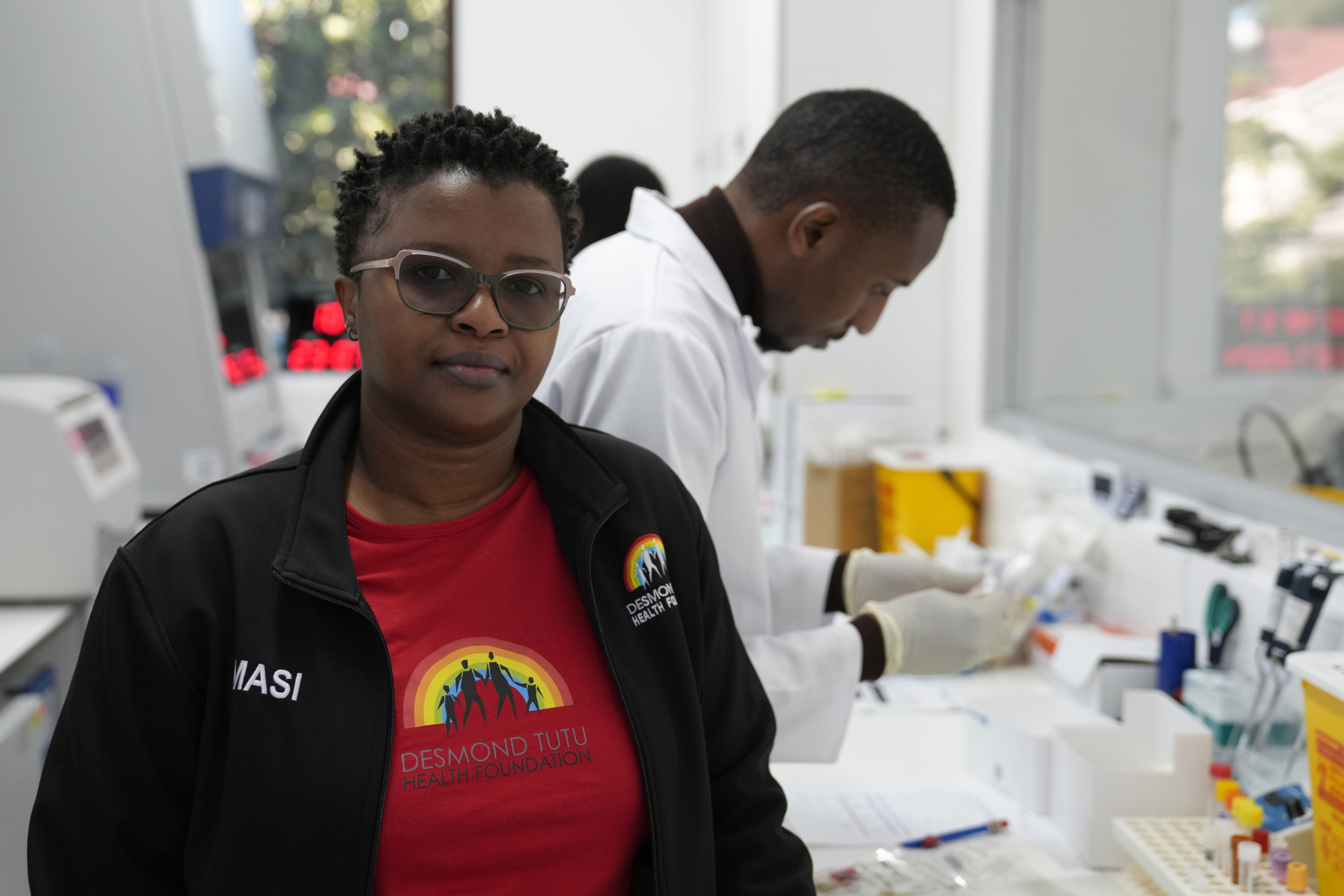
Thandeka Nkosi from the Desmond Tutu Health Foundation in Masiphumelele, South Africa, told The Associated Press the twice-yearly shot was “revolutionary news” for patients, offering a more discreet and manageable prevention method.
However, concerns have been raised about the accessibility of this potentially lifesaving treatment. Winnie Byanyima, executive director of the U.N. AIDS agency, emphasized the need for Gilead to make Sunlenca affordable for those most in need, including women and girls in high-risk areas.
Currently, Sunlenca’s price as an HIV treatment is steep, exceeding $40,000 annually in the U.S. Gilead is exploring a “voluntary licensing program” to enable generic production, but specifics remain unclear. Another preventive shot, Apretude, costs about $180 annually—still unaffordable for many in developing countries.
Byanyima highlighted the critical need for accessible prevention for vulnerable populations, such as victims of domestic violence and individuals in regions where same-sex relationships are criminalized. With women and girls constituting nearly half new HIV infections in 2022, the potential impact of Sunlenca could be substantial.
Olwethu Kemele, a health worker at the Desmond Tutu Health Foundation, predicted the shots could boost the number of people coming in for HIV prevention and slow the virus’ spread. She said young women often hide the pills to avoid questions from boyfriends and family members. “It makes it hard for the girls to continue,” she said.
The broader fight against HIV continues to show progress, with UNAIDS reporting a historic low in new infections in 2023. However, disparities persist, with rising infection rates in Eastern Europe, Latin America, and the Middle East.
Andrew Hill of the University of Liverpool noted that scaling up production of Sunlenca could reduce its cost to about $40 per treatment.
“This is about as close as you can get to an HIV vaccine,” he said.
Read the full article here