



A federal judge is weighing whether to force the Trump administration to accelerate and expand billions of dollars in tariff refunds—just as the White House pushes back in court against a sweeping repayment order.
The latest clash, unfolding Tuesday at the U.S. Court of International Trade, centers on how much of the money collected from now-defunct tariffs must be returned—and to whom.
The outcome of the case could determine whether businesses receive tens of billions of dollars in refunds—or are forced to fight for them individually in court. With up to $166 billion potentially at stake, the dispute could reshape how quickly money flows back to companies and how long the legal battle drags on.
Why Was the Trump Administration Back in Court?
The Trump administration returned to court to argue it should not have to repay all of the tariffs it collected—even after those duties were struck down by the U.S. Supreme Court.
A U.S. Customs and Border Protection (CBP) official is scheduled to testify about plans to refund billions of dollars collected before the Supreme Court struck down key tariffs, the Associated Press (AP) reported.
The administration is attempting to limit the scope of refunds, contending that it lacks authority to broadly issue payments unless specifically ordered to do so for individual companies, according to reporting from POLITICO.
While officials have already begun processing refunds for some importers, they are resisting a wider repayment mandate from Court of International Trade Judge Richard Eaton.
Eaton previously ordered the government to issue refunds to all affected companies in March, but the administration is now pushing back—effectively arguing that many tariff payments are finalized and should not be reopened.
How Did the Supreme Court Rule on the Case?
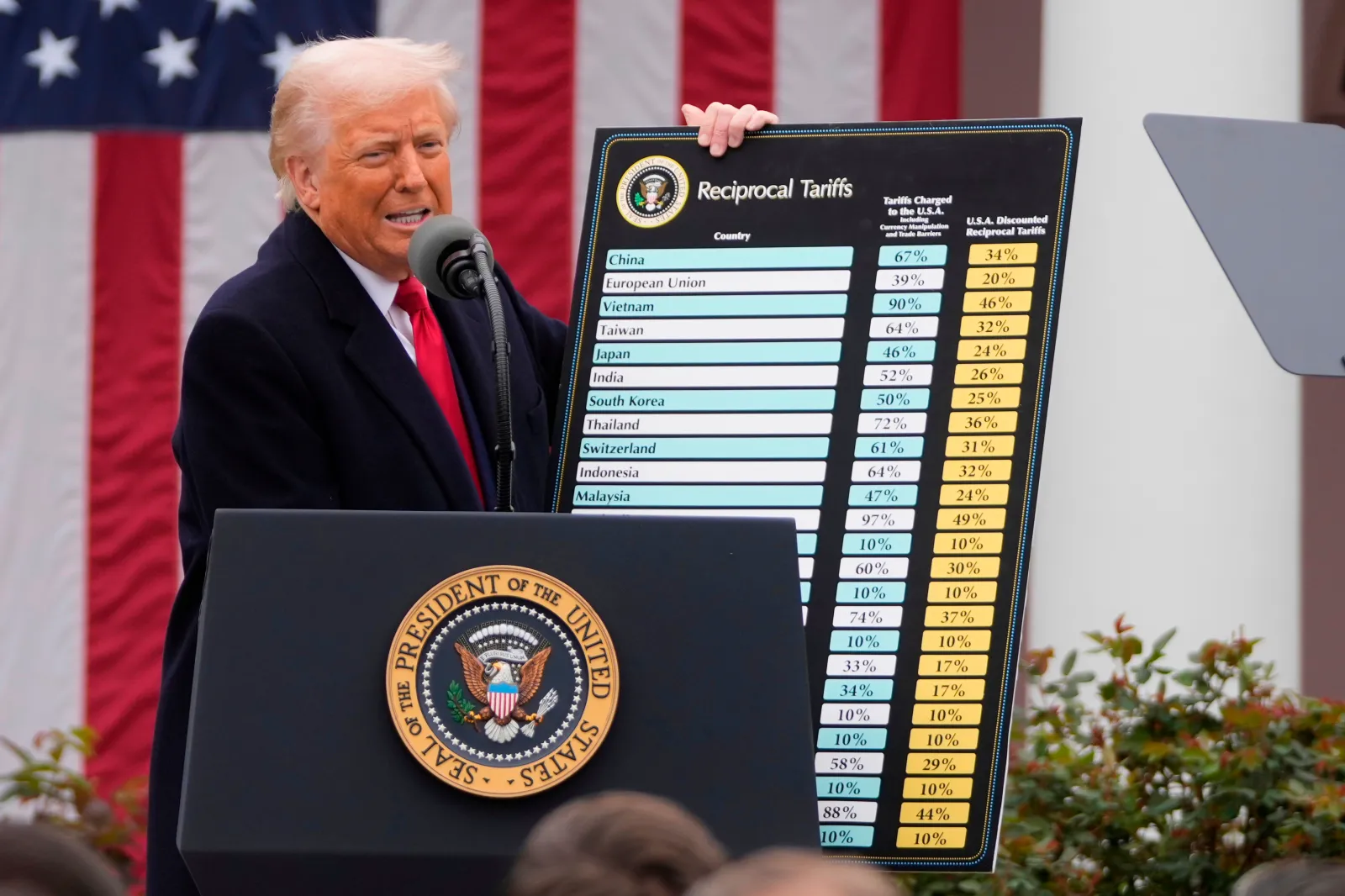
The legal battle stems from a major February 20, 2026, decision in which the Supreme Court struck down many of Trump’s tariffs.
In a 6–3 ruling, the justices found that the administration exceeded its authority by imposing sweeping tariffs under the International Emergency Economic Powers Act (IEEPA), a law intended for emergency economic sanctions—not broad import taxes.
However, the Court did not address what should happen to the money already collected. An omission that left lower courts to decide whether and how refunds should be issued—creating the current legal gray area now driving renewed litigation.
As a result, while the tariffs themselves were invalidated, the question of repayment has become a separate—and highly contentious—fight.

How Much Does the Trump Administration Owe from Tariffs?
The potential financial impact is enormous, though the exact amount remains contested.
- The U.S. government could owe up to $166 billion in refunds to importers, according to court filings.
- Some estimates place the total liability even higher—as much as $175 billion—depending on how broadly refunds are applied, CNBC reported.
- As of late May, more than $85 billion in refund claims had been approved, with over $20 billion actually paid out, according to POLITICO.
Despite that progress, the administration is drawing a line—arguing that many additional claims should not be honored without court intervention.
Who Could Be Impacted?
The outcome of the case could affect a wide range of stakeholders—though not all equally.
Businesses and Importers
The biggest immediate impact falls on companies that paid the tariffs. More than 330,000 importers could be eligible for refunds, spanning industries from retail to manufacturing, according to ABC News.
Major corporations such as Walmart, Apple, Costco, and General Motors have already pursued claims, while thousands of others are preparing legal action.
If the administration prevails in limiting refunds, many businesses may only recover their losses by suing the government individually—raising costs and prolonging the process.
Consumers
For everyday Americans, the impact is more indirect. Most refunds are likely to go to companies—not shoppers—since businesses were the ones that paid tariffs at the border.
However, consumers could still feel ripple effects:
- Prices could shift depending on whether companies reinvest refunds or keep them
- Class-action lawsuits may seek to pass some of the benefits back to consumers who paid higher prices [forbes.com]
The Courts and Legal System
The case is also poised to strain the legal system. Thousands of refund-related lawsuits are already pending, and that number could surge if broad repayment is not ordered.
Legal experts warn that a case-by-case approach could overwhelm the trade courts and prolong the dispute for years—adding uncertainty across the economy.
Read the full article here