




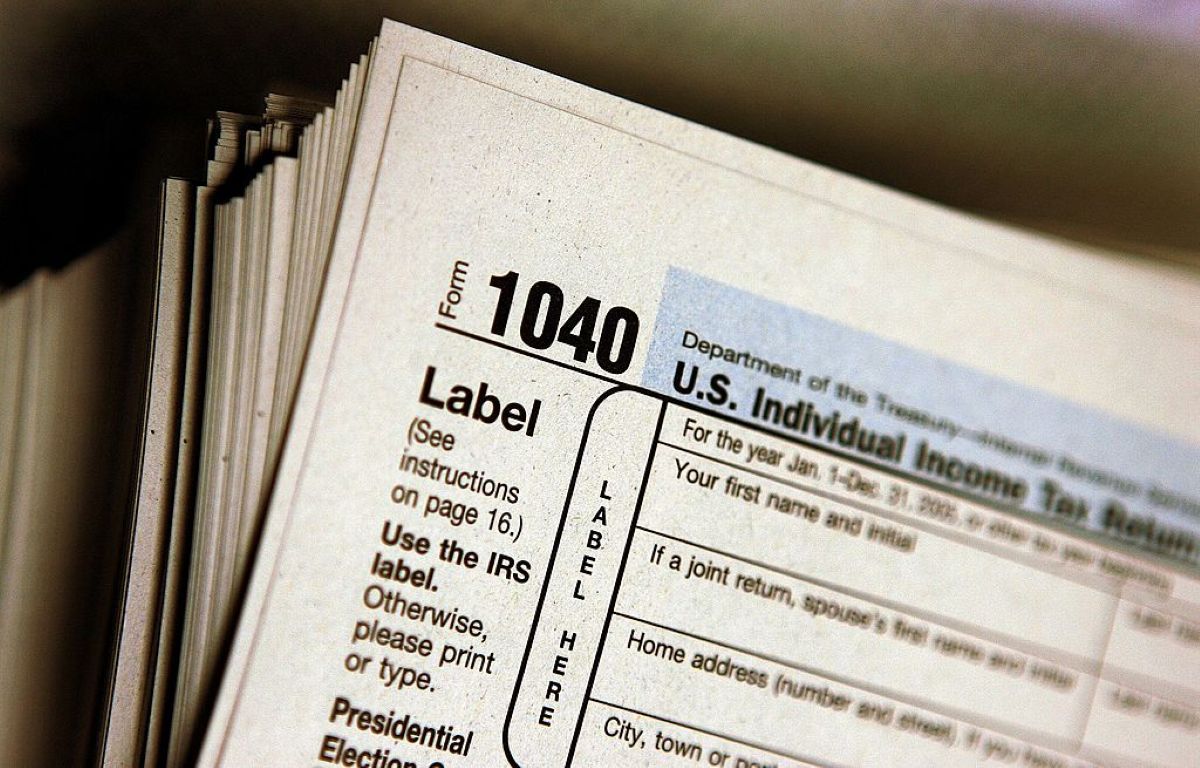
Every year, millions of Americans eagerly await their IRS refund after they e-file their tax return. But what happens if the IRS decides to seize that refund?
Why It Matters
Nearly 35 million tax returns were processed by the IRS in 2024, and the average tax refund was approximately $3,050. Unexpectedly losing these funds can significantly disrupt personal finances, particularly for families who rely on their refunds for essential expenses. Here are six reasons why the IRS can seize your refunds.
What To Know
Brittany Benson, lead tax research analyst with The Tax Institute at H&R Block told Newsweek when a taxpayer fails to pay a debt owed to the state or federal government, it becomes delinquent, and the Treasury Offset Program (TOP) may collect the overdue amount by withholding funds from federal payments like tax refunds or Social Security benefits. TOP is managed by the Department of Treasury’s Bureau of the Fiscal Service (BFS), not the IRS, and applies to debts such as unpaid federal or state taxes, past due child support, defaulted federal student loans, overpaid unemployment benefits or spousal debt could be impacted by IRS refund seizures.
Unpaid federal taxes: The IRS can seize your tax refund if you owe back taxes on federal income. This debt often accumulates rapidly with added interest and penalties, substantially increasing the total amount owed. The IRS typically issues several notices before taking action, and unresolved debts can lead to tax liens or levies that negatively impact your credit score.
Unpaid state income taxes: States collaborate with the federal government through special offset programs, allowing them to recover unpaid taxes directly from your IRS refund. Taxpayers typically receive notices from their state before the offset, and the seizures can continue annually until the debt is fully resolved.
Outstanding child support: Even people making regular, current child support payments can lose their refunds if past money owed remains unpaid. Taxpayers are notified in advance of any potential seizure, providing an opportunity to address the overdue support.
Defaulting on federal student loans: This usually occurs after loans remain delinquent for 270 days. If you have defaulted on a federally insured student loan, refund seizures can continue indefinitely until the debt is rehabilitated or fully paid. Borrowers receive advance notification, allowing time to engage in rehabilitation programs or negotiate repayment plans.
Overpaid unemployment benefits: This was especially prevalent during the COVID-19 pandemic and has become a significant cause for refund seizures. If you received more unemployment compensation than you were entitled to, either due to fraud or reporting errors, states actively pursue repayment, frequently using federal refunds to recover these overpayments. Taxpayers often have opportunities to negotiate repayment arrangements or installment plans to avoid immediate refund loss.
Spousal debt: Tax refunds can be seized due to spousal debt in joint filings. Known as the Injured Spouse scenario, one spouse’s outstanding debts, such as unpaid taxes or student loans, can put the entire joint refund at risk. The non-liable spouse can file an Injured Spouse Allocation (Form 8379) to recover their portion of the refund, though this process can take several weeks.
What People Are Saying
Brittany Benson, lead tax research analyst with The Tax Institute at H&R Block, told Newsweek: “If a taxpayer believes they don’t owe the debt, they can dispute the debt by contacting the agency listed on the notice that is servicing the debt or the Cross-Servicing program. If the debt was referred to TOP due to delinquent nontax debt owed to federal agencies, taxpayers can use the Bureau of Fiscal Service process to dispute the debt. That process includes using a Cross-Servicing debtor dispute form that the taxpayers submit to the Department of Treasury to dispute the debt. Then, the agency that referred your debt can review the dispute.”
What Happens Next
If your refund has been seized or offset, the IRS will notify you through a mailed letter explaining the reason and the amount taken. It will also detail how you can dispute the seizure if you believe it was incorrect. Immediate steps should include verifying the debt, contacting the relevant agency (like your state or loan provider) or seeking assistance through tax professionals to resolve disputes efficiently. Regularly monitoring your IRS refund status via the “Where is my tax refund” tool can also prevent or mitigate future surprises.
Read the full article here