


NEWYou can now listen to Fox News articles!
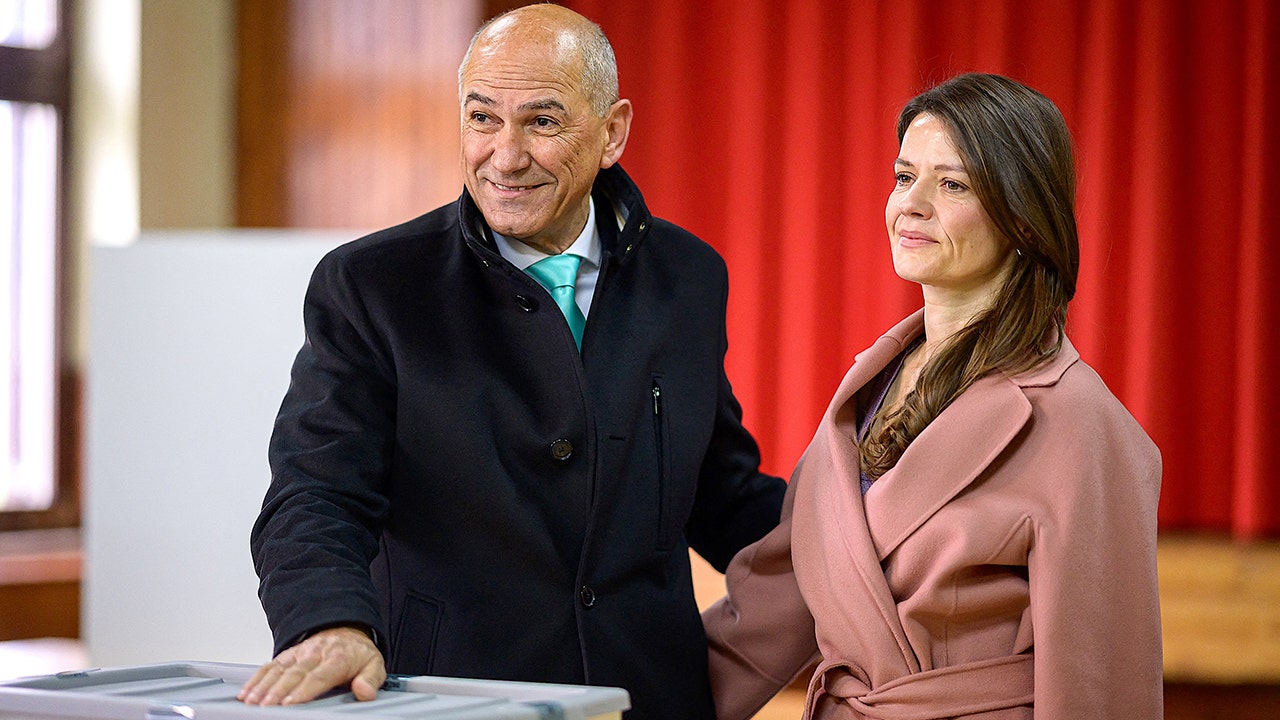
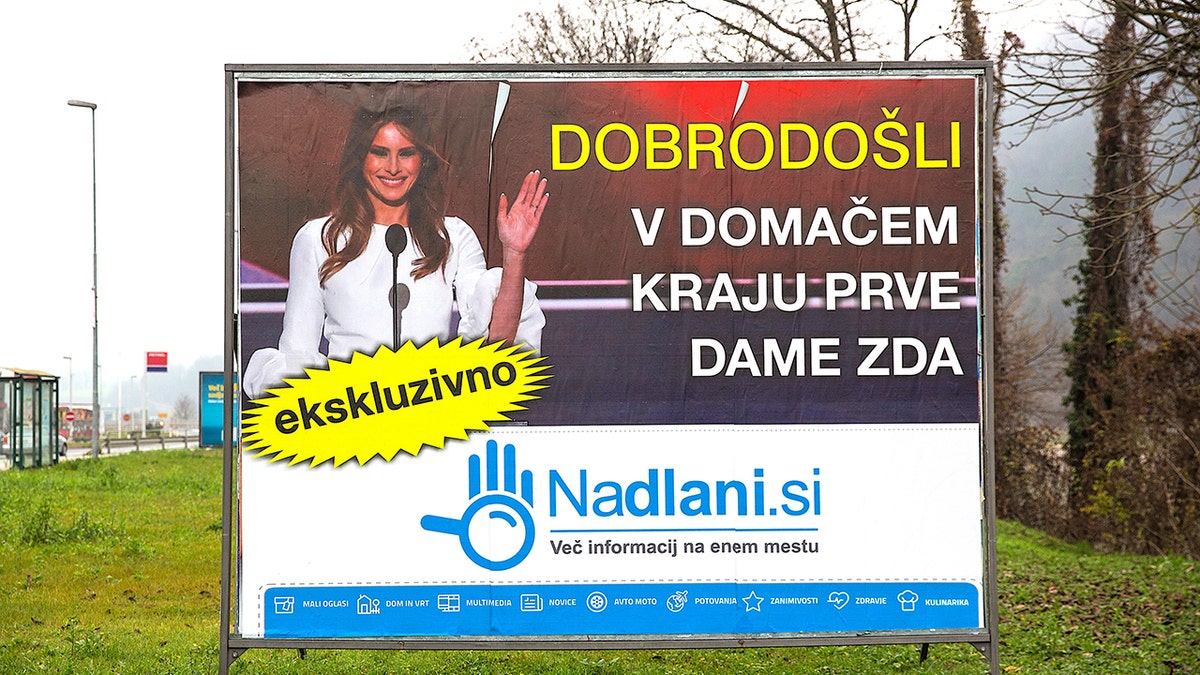
ŠKOFJA LOKA, Slovenia: The Republic of Slovenia, the central European nation known for being the birthplace of First Lady Melania Trump and LA Lakers star Luka Dončić, is undergoing a radical shift in politics as the country comes to terms with its new larger-than-life prime minister.
Prime Minister Janez Janša recently scraped together a coalition that did away with the country’s leftist leader, Robert Golob.
In what is his fourth term, Janša has begun what many see as Trump-like policy corrections. He has reversed Golob’s anti-Israel policies by announcing his intent to move the Slovenian embassy to Jerusalem, freezing Slovenia’s recognition of a Palestinian state and revoking a 2025 ban on military trade with Israel.
EUROPE’S ‘GREEN IDEOLOGY’ CLIMATE AGENDA RISKS CRUSHING ITS INDUSTRY, ENVIRONMENT MINISTER WARNS
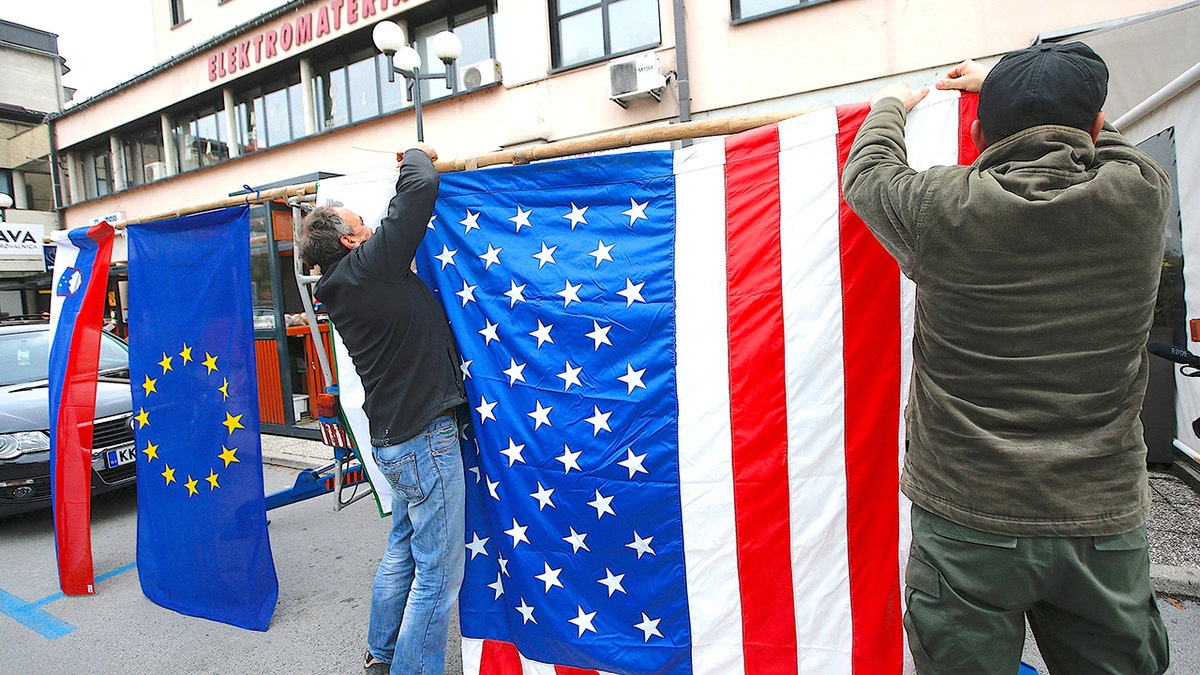
Janša also believes in strong U.S. relations. During an America 250 event hosted by the U.S. Embassy in Ljubljana, and with the First Lady’s father, Viktor Knavs, in attendance, Janša described how America was the beacon for Slovenian independence. “We imagined America, the United States of America, as the ideal embodiment of that free world… That Slovenia, too, would become the home of the brave in a land of the free.”
Domestically, he says his new government will reverse what he called the Golob government’s “inefficiency” and turn Slovenia into “a country of opportunity, prosperity and justice, where each responsible citizen will feel safe and accepted.”
He has announced plans to reverse many anti-business policies, cut government red tape, support private education and healthcare, reform the pension system, decrease the size of government and invest in infrastructure projects, including a plan to build a second reactor at Slovenia’s Krško nuclear power plant.
Despite some policy disagreements, Janša was a close ally of former Hungarian Prime Minister Viktor Orbán. He has expressed support for Ukraine, traveling to Kyiv during his last term as prime minister in March 2022 with the then-Polish and Czech Prime Ministers in an early showing of EU solidarity against the Russian invasion and he recently returned to Kyiv to mark Ukraine Statehood Day as part of the Ukraine–Southeast Europe Summit.
WHITE HOUSE BLASTS SPANISH GOVERNMENT AS THOUSANDS OF MIGRANTS SURGE FROM MOROCCO, EMERGENCY REQUEST DENIED
He supports increased military aid to the country and increased sanctions against Russia. And like Orbán, Janša was staunchly anti-immigrant during the huge Europe migration wave in 2015, when “Balkan Route” migrants practically marched through Slovenia on their way to other parts of Europe.
Janša often praises many of President Trump’s immigration policies. Although no reforms have yet made it through the Slovenian parliament, shortly after taking office, Janša joined 18 other EU leaders in signing a letter calling for “a fundamental change in immigration policy” and practice.
They called for reducing irregular migration, combatting human smuggling more effectively, increasing deportations, and strengthening cooperation with third countries. Janša said Slovenia is “finally joining” other countries calling for these reforms, writing, “The end is approaching for social tourism, overlooked people smuggling and the importation of voters for the European left.”
‘YOU’RE DESTROYING YOUR COUNTRIES’: IS EUROPE FINALLY HEEDING TRUMP’S WARNING ON ILLEGAL IMMIGRATION?
And, like Trump, Janša has his critics. He has been called “the greatest threat to Slovenia’s sovereignty and democracy.”
An aggressive user of X, where he comments on politics and criticizes his opponents in late night posting sprees, Janša has had battles with the country’s media, with many accusing him of undermining its independence.
Janša has also served time in jail, having been convicted and imprisoned in a case he called politically motivated.
Now serving a fourth non-consecutive term as prime minister— or predsednik vlade—he strangely lost the election that eventually put him back in office in June.
On two occasions, Janša and his party lost an election, yet he still became the prime minister. Think of it as losing the popular vote yet winning the Electoral College.
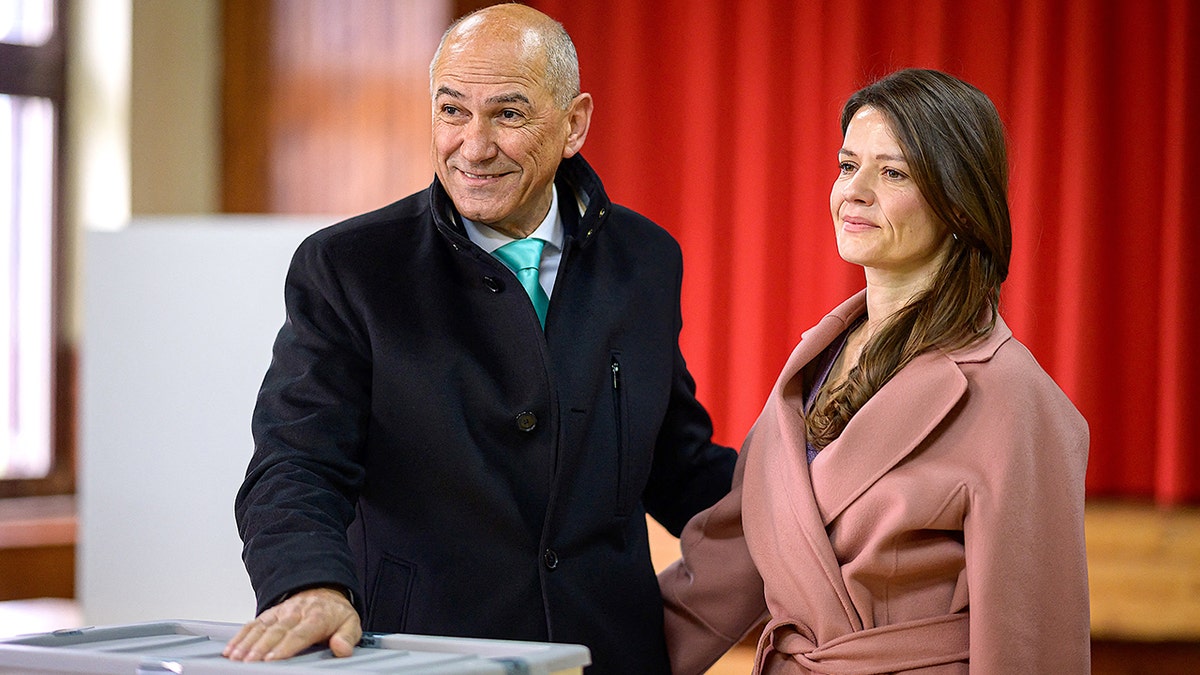
Slovenes went to the polls on March 22 after a tumultuous four-year term for then-Prime Minister Robert Golob and his far-left coalition partners. Polls that had initially forecast a landslide victory for Janša tightened quickly in the run-up to election day. Golob’s Gibanje Svoboda, or Freedom Movement, party would “win” by taking 29 seats of the 90-seat legislature with 28.7% of the vote. That was a net loss of 12 seats from the 41 seats and 34.5% of the vote the party won in 2022.
Janša’s Slovenska demokratska stranka, or Slovenian Democratic Party, the party he has led since 1993, took 28 seats with 27.9% of the vote. The same 29-28 outcome as in 2008, when Janša also “lost” yet was able to form a governing coalition.
MELANIA TRUMP HELPS REUNITE FIFTH GROUP OF UKRAINIAN, RUSSIAN CHILDREN WITH FAMILIES
After a month of trying, Golob was unable to form a new ruling coalition. Slovenian President Nataša Pirc Musar said she would not nominate anyone for prime minister as no one was able to get the 46 votes needed in Parliament.
Enter Janša, who many analysts call a master coalition builder. After two weeks of discussions, his future government would end up receiving 51 votes in a secret ballot of the National Assembly: 48 from his coalition and their partners, two from the representatives of the Italian and Hungarian minorities in Slovenia… and, surprisingly, one from an anonymous member of the opposition.
Janša has been involved in Slovenian politics since before there was an independent Slovenia. In 1988, he was arrested, tried “in camera” in a military court, and imprisoned by the Yugoslav People’s Army in what became known as the “JBTZ affair”. He was alleged to have shared military documents with journalists. After public outcry at the time, Janša was released after serving six months of an 18-month sentence.
In 1989, Janša helped form the Slovenian Democratic Union, one of the first opposition parties in the then-Socialist Republic of Slovenia. After Slovenia’s first free elections in May 1990, Janša was named minister of defense, helping lead Slovenia’s 10-day war of independence against Yugoslavia in the summer of 1991.
CLICK HERE TO DOWNLOAD THE FOX NEWS APP
In June 2013, the Ljubljana District Court ruled Janša and two others had sought about €2million (about $2.3 million) from a Finnish firm, Patria, to help it win a 2006 military supply contract. Janša was sentenced to 2 years in the same prison in which he began his 1988 imprisonment. He called the case politically motivated and, again, he was released after serving 6 months. The conviction was unanimously overturned by the Constitutional Court in April 2015.
Janša is expected to come to the U.S. to address the United Nations General Assembly in September. It is not known if he will meet with President Trump and the First Lady.
Read the full article here