



New World hantaviruses such as Andes virus cause respiratory illness, but they hit differently than common viruses that lead to lung failure. The hantaviruses grow slowly and kill swiftly, claiming the lives of up to half of people they infect. Yet mysteriously, survivors are left with no lasting damage from the illness.
These are just some of the peculiarities that scientists have discovered and studied since the viruses were first recognized in the 1990s. What scientists have gleaned so far is informing how they monitor the more than 150 individuals worldwide currently in quarantine after the recent outbreak of the Andes hantavirus on the cruise ship MV Hondius.
Already, three people have died in that outbreak and nine others are ill, some critically. Research into how the viruses behave in the body and how the body defends itself might also lead to treatments for future outbreaks.
Hantaviruses do things differently
Respiratory viruses such as influenza, RSV and the coronavirus that causes COVID-19 infect and kill the cells of the lungs, with immune system reactions furthering the damage. But even though New World hantaviruses cause a severe lung disease called hantavirus pulmonary syndrome, they don’t attack lung cells.
Instead, the virus infects cells lining blood vessels throughout the body. The main target, says clinical virologist Pablo Vial, is the tiny blood vessels called capillaries. Vial directs the hantavirus and zoonoses program at the German Clinic at the Universidad del Desarrollo in Santiago, Chile.
Infected cells may lose some function, says Jonas Klingström, a virologist and immunologist at Linköping University in Sweden, “but they don’t die. They are not killed.”
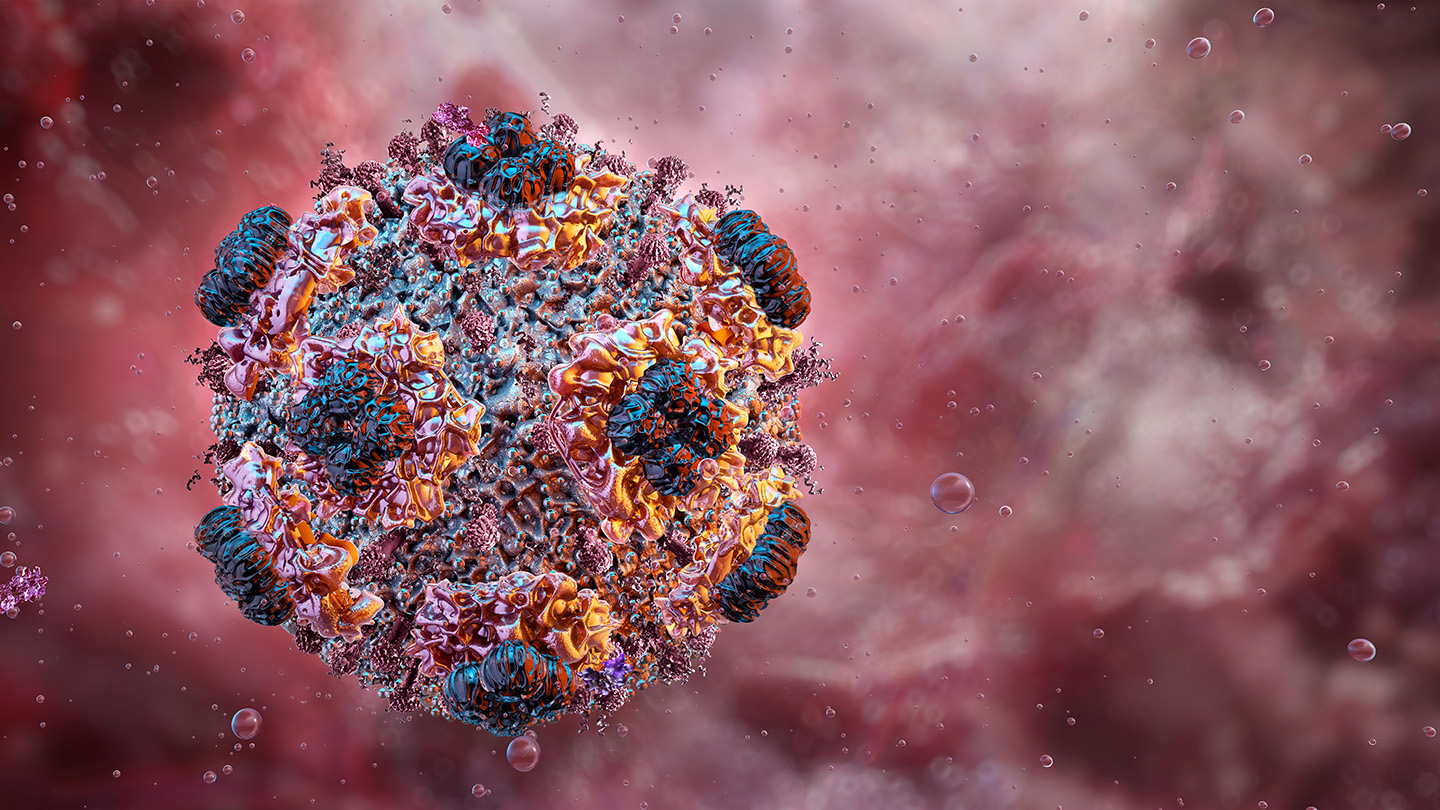
Another peculiarity is that Andes virus, endemic to Chile and Argentina, and Sin Nombre virus, found in the United States and parts of Canada and Mexico, have only four proteins while other respiratory viruses have more than twice as many. Two of the four proteins help the virus enter cells, one replicates viral RNA and one forms the viral shell. Old World hantaviruses, known mainly from Europe and Asia and which tend to damage the kidneys, have an additional protein.
It’s a small tool kit, but hantaviruses make the most of it, evading the immune system while they slowly replicate. “They are really sneaky,” Klingström says. “They can both inhibit antiviral responses, but they also avoid activating them.”
It may take up to 45 days for an infected person to develop symptoms. Most people with Andes virus infections will get sick enough to need oxygen, but 40 percent will recover without serious medical intervention, Vial says. The rest will get severe disease that requires intensive care.
The science behind a speedy decline
At some point during an infection, the tight junctions where proteins weld blood vessel cells to their neighbors loosen, making blood vessels leaky. Blood plasma, the fluid part of blood, can seep out while blood cells stay inside. Scientists don’t yet know what turns on the tap.
It’s not viral replication, Vial says. Whatever it is, it happens fast, he says. Within hours, patients’ lungs fill with the leaking fluid, which disrupts their breathing. Their hearts fail and their blood pressure drops, putting them into shock.
The long gap between infection and symptoms, along with the fact that Andes virus is the only hantavirus known to spread from person to person, is why crew and passengers of the MV Hondius and people exposed to a cruise passenger on later airline flights, are being monitored for six weeks after their last possible exposure.
The speed from symptom onset to serious illness is partly why the U.S. Centers for Disease Control and Prevention has requested that the 18 Americans being monitored at special quarantine facilities in Omaha, Neb., remain there at least until May 31, even though some passengers have requested to quarantine at home.
Typically, 20 to 40 percent of people who are diagnosed with Andes virus infection die, Vial says. He has helped treat many of the nearly 1,500 Andes hantavirus cases that have been diagnosed in Chile since 1995, and has learned some lessons along the way about treating shock and putting people on ventilators without causing damage.
When a ventilator isn’t enough, doctors turn to extracorporeal membrane oxygenation, or ECMO. That’s a heart-lung machine that pumps blood out of the body, oxygenates the blood and returns it to the body giving ailing lungs and heart a rest. “I’ve been talking to patients at noon and at two in the afternoon, they’re already connected to mechanical ventilation, and at three, they are already on ECMO. So this is very, very fast development,” Vial says.
Most patients who die do so either while being admitted to the hospital or within the first 24 hours after admission, Vial and colleagues discovered when reviewing 100 hantavirus cases treated at eight hospitals in Chile over about eight years. According to the unpublished data, there were 21 deaths among those cases.
Although giving intravenous fluids is the standard treatment for shock, Vial doesn’t advise that in patients with leaky blood vessels. That liquid ends up in the lungs, making matters worse, he says.
Almost as suddenly as the leaks spring, the spigots dry up and patients can recover. “It takes 48 to 72 hours for this biological effect to reverse and become completely normal,” Vial says. That’s unheard of among respiratory diseases. Often people spend weeks in intensive care units for severe flu or COVID-19 and are left with damaged, scarred lungs that may never fully recover.
Antibodies developed over the course of the infection may have something to do with getting the virus in check, but the immune system doesn’t cull the infected cells. How hantaviruses protect host cells remains a mystery.
Hantavirus treatments are lacking
Doctors can provide supportive care for symptoms, but they can’t stop the virus. There are currently no specific treatments or vaccines for hantaviruses.
Vial and colleagues have tried several ways to keep hantavirus patients off life support. An antiviral drug that stops hantavirus growth in lab dishes didn’t work in patients who were developing severe symptoms. Steroid treatment with methylprednisolone, which can help reduce damage in other respiratory illnesses, such as COVID-19, also didn’t work. Giving people plasma from patients who have recovered from a hantavirus infection does help when people are just developing symptoms, Vial says. Antibodies in recovered people’s blood may keep the virus from entering blood vessel cells.
Antibodies that linger for decades in people who have recovered from infections of Puumala virus, an Old World hantavirus, could also fight Andes virus, says Mattias Forsell, an immunologist at Umeå University in Sweden. Puumala virus is carried by bank voles and caused, on average, about 3,100 cases annually in Europe from 2010 through 2020, particularly in Finland, Sweden and Germany.
Forsell and colleagues have tracked hantavirus antibody levels in blood from about 150,000 participants in the Northern Sweden Health and Disease Study. In areas where Puumala virus is endemic, about 11 to 12 percent of participants have antibodies against the virus. Those antibodies persist for at least 22 years, the team found. “These infections may actually provide immunity for life,” Forsell says. In unpublished studies, Forsell’s team has found that some of those antibodies can latch onto other hantaviruses, including Andes virus, and so may be the basis for future therapies.
Finding out what causes the leaking and how it gets plugged might also lead to new treatments. Klingström and other researchers have found elevated levels of certain immune system proteins called cytokines in people with severe hantavirus disease. Among the cytokines suspected of prying open the connections between blood vessels are the proteins interleukin-6 (IL-6) and bradykinin.
Though IL-6 is typically made by immune cells and sometimes liver cells, blood vessel cells infected with hantaviruses also make IL-6, Klingström and colleagues found. In the case of Andes virus, increased levels of IL-6 in the blood were associated with more severe disease, Klingström and colleagues reported in 2019 in the Journal of Infectious Diseases.
IL-6 is a messenger molecule that signals immune cells to fight viruses, but it can also trigger damaging inflammation. Which pathway IL-6 uses to deliver its message determines whether capillaries will leak, Klingström and colleagues reported in 2025 in PLOS Pathogens. Some drugs already in clinical trials may block a harmful delivery pathway, which could stop capillary leaks, he says.
Vial and colleagues have also experimented with a drug called icatibant that blocks bradykinin. The drug is already approved to treat a rare genetic condition called hereditary angioedema, in which people develop spontaneous swelling in their face, hands and other parts of the body, and it has helped a woman with severe Puumala virus infection recover quickly. But large clinical trials are needed to establish whether the drug is an effective treatment.
Ultimately, combinations of drugs may keep people from drowning in their own fluids, Klingström says. New treatments won’t come soon enough for those affected by the cruise ship outbreak, but he is hopeful that attention to the outbreak will spur research that might benefit the more than 10,000 people estimated to be infected with hantaviruses worldwide each year. “It should be possible to design treatments that could rather quickly reverse it,” he says, “and hopefully rather quickly save patients from this life-threatening condition.”
Read the full article here