



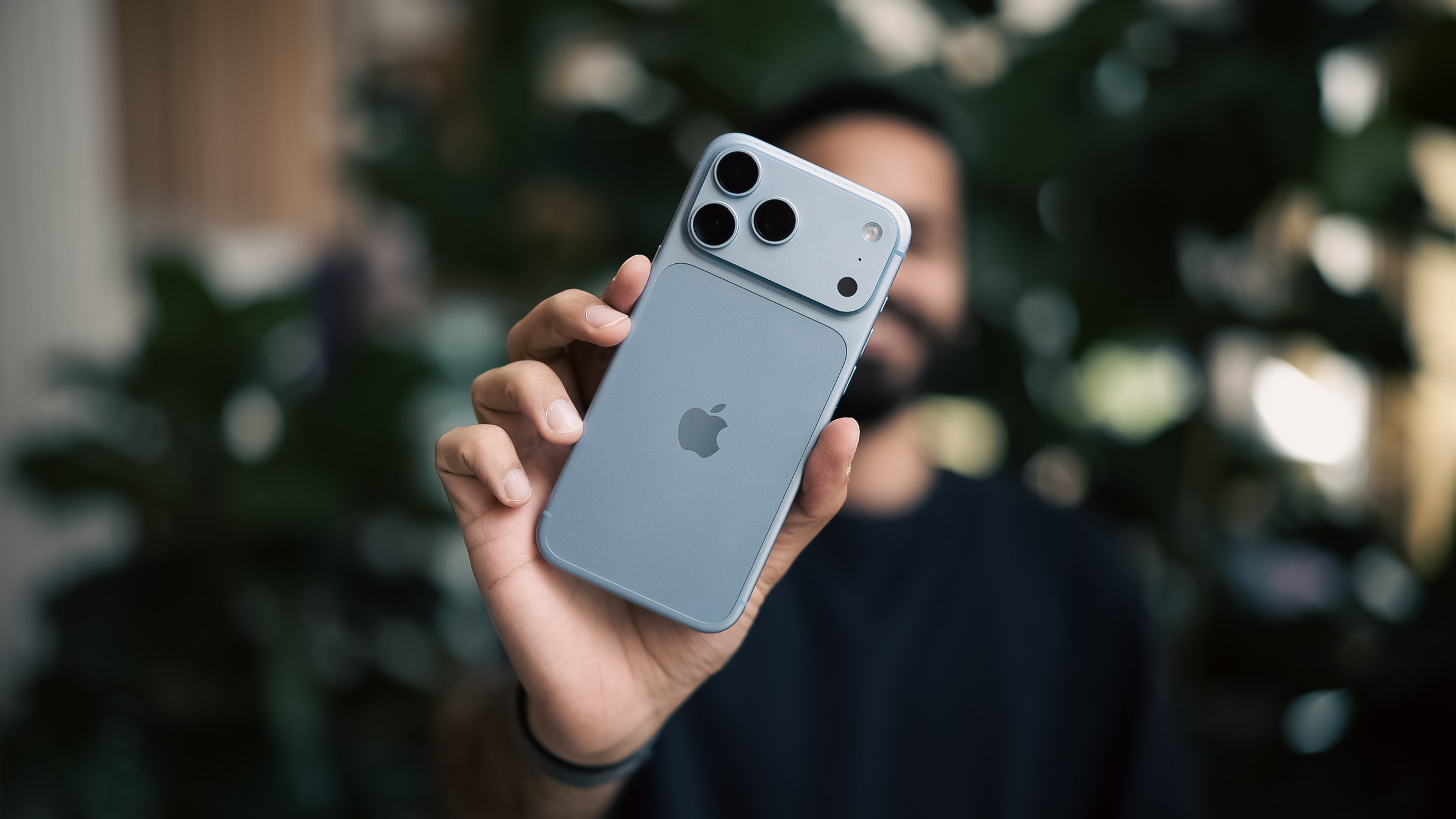
Apple gave its pro iPhones a crucial camera and battery boost this year. As a frequent traveler, these upgrades had me stoked for the iPhone 18 Pro Max, so I took it with me to Japan. Going vintage watch hunting through the streets of Tokyo to 6 a.m. hikes in Kyoto’s Fushimi Inari and the Shinto shrines, I used the new phone as my main camera. It made me rethink my shots, pushed me to experiment more with my perspective and surprised me in the most unexpected ways.
The variable aperture, manual camera controls and new Photographic Styles make the iPhone 18 Pro the most fun camera system from Apple, even if they are just minor upgrades from the 16 Pro and 17 Pro. The starburst effect in f4, grain in Photographic Styles and adjustable shutter speeds add drama, depth and more personality to even the most mundane shots.
From my time landing in Osaka to landing back in Delhi, the iPhone 18 Pro Max had me experimenting for two weeks. Here’s what I shot and how the new upgrades made an impact on my first trip to Japan.
I love the new creative controls
The iPhone 18 Pro has manual controls baked into the Camera app. I can adjust the focus, choose the lens aperture from four stops, pick a shutter speed and select the white balance without needing to install a third-party app. The variable aperture is the main attraction here, letting me experiment with lighting as I visited various shrines.
You can go from f/1.48 to f/4 on iPhone 18 Pro’s main camera to adjust the amount of light hitting the sensor. Apple has programmed the f/4 (its narrowest) setting to give you a starburst effect with bright light sources, which showed up as light blobs on older iPhones. I used f/4 to get starbursts from the reflections of sunlight hitting a shrine:
-
I love how f/4 gives mundane shots a glow-up.

Not every photo needs this effect, but starbursts add a unique style that you won’t find on any other phone. I was busy framing my shots to get the most reflections and the cameras didn’t disappoint.
Combine this with adjustable shutter speeds (takes a bit getting used to) and it leads to endless new possibilities. On the night I landed in Osaka, I went out for a stroll near my hotel, and took about 250 shots at a red light. I only got a few decent light trails, but it forced me to get more creative with my photography
After a few days I finally got the shot of a moving car stabilized with a blurred background. The trick? Finding the right shutter speed (1/15 in this case) through trial and error and moving my iPhone at the same speed as the car. At night, I stuck to 1/2s for moving vehicles with handheld stabilization. I’m happy with the results.
-
I used Clean Up tool in Photos app to remove a person from the right side of the frame. Apple Intelligence worked well here. -
I learned to freeze moving vehicles with the shutter speed set to 1/15 during the day. -
Shutter speed set to 1/8s gave this shot a more dramatic look. -
This light trail is of a bus. I set the aperture to f/4 to get the starburst effect on the street light.

From light trails at night to a speeding car in daylight, the iPhone 18 Pro Max cameras create an effect that was previously only possible through third-party apps. This is different from simply taking a live photo and tapping Long Exposure in edits. You can track a subject to focus and the rest of the movement creates visual effects like the ones in my photos.
Apple’s manual controls are all about getting creative with your frames. You can then personalize these with the new film look and grain in Photographic Styles. These are like simulations that you’d find on the Fujifilm X100 series or Ricoh GR cameras.
 Prakhar Khanna/CNET
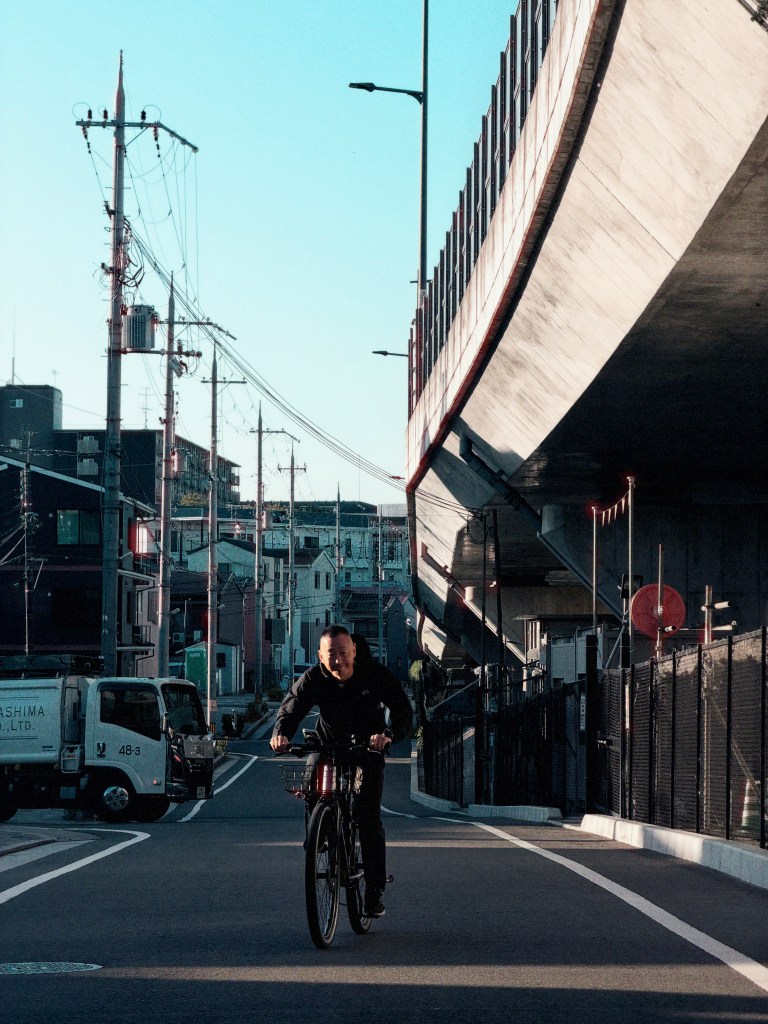
For example, I edited this cyclist shot in the Photos app. I used the Dramatic + Film Style because I liked the blue tint in the sky and background, while keeping the skin tone intact. It gave my shot a moody look without editing the colors on my subject, like a regular filter would.
-
I slowed down the shutter speed slightly and used Cozy Style for darker blacks. -
I turned the leaves yellow through Photographic Styles for a fall feel.
For these two nature shots, I brought all three aspects: adjustable shutter speed, f4 aperture and new Photographic Styles into a single frame. I love the grain, film and glow effects on the iPhone 18 Pro this year. They make the iPhone cameras exciting again.
However, there are a few things I’d like to change about this software.
The iPhone 18 Pro camera system isn’t perfect
The grain and film look are nice additions but I’d have loved to adjust the intensity of grain, much like my Vivo X300 Ultra. The current look is good for photos shot in bright light, but anything dim starts looking too artificial. The grain is too aggressive for most situations.
As much as I appreciate the new manual controls, I’m not fond of their placement in the Camera app. I missed a slow shutter shot of the Shinkansen because I was busy finding the manual control. These bullet trains are just too fast!
The new manual controls can be added to the top of the viewfinder or accessed through the six-dot settings menu at the bottom-right corner. In both positions, they aren’t made for one-handed use. It’d also be nice if I could adjust the position of certain toggles in the six-dot menu on the viewfinder. I need the aperture and shutter speed on the rightmost side, but I can’t edit it. The two icons aren’t instantly recognizable up on top. I believe that if I could change their positions in the bottom menu, I’d recognize them faster and remember their positions for a more reliable shooting experience.
Then comes the Camera Control. It doesn’t support any of the new manual controls. So, you can’t adjust the shutter speed or choose an aperture. If I have an extra button dedicated to the camera, I’d ideally like to use it for manual controls. It’d allow faster access to the new features.
In my opinion, Apple should also let us assign two separate Photographic Styles on the front and back cameras. On my trip, I had set a Fuji-like look for street photography, which seemed great for my surroundings but not for my selfies. You can always edit these photos in post, but if I’m out with new friends and sharing these photos with them, it’d be easier if I could set two different Photographic Styles for the front and back cameras.
I’m glad my new iPhone lasts longer
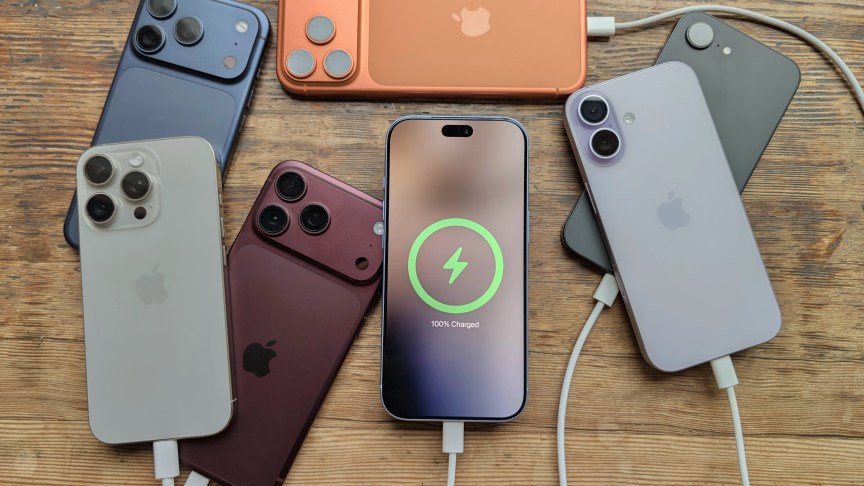
During my trip, I didn’t have to top up my iPhone 18 Pro Max more than once a day. I left it on charge overnight as my mornings were reserved for breakfast and figuring out the train connectivity through Google Maps. (Seriously, I don’t know how I’d travel without this app.)
Japan is a unique mix of next-gen technology and decades-old systems. While it has a Suica card for public transport, I couldn’t add it to my Apple Wallet. Most stations don’t accept Visa contactless payments. I had to run to the nearest 7/11 to get cash and purchase train tickets. Some markets are also cash-only, so my iPhone was constantly running Maps, Music and Camera for a healthy 6 hours a day.
It lasted me through long photography sessions and constant navigation without any issues. In my experience, this is a huge upgrade over my iPhone 17 Pro Max, which required two charging instances if I was pushing it with Camera and Maps usage. The new model also doesn’t get as warm as its predecessor. I noticed the heat dissipates quicker when using the iPhone 18 Pro Max without a case. I’ve tried three cases so far and each one traps heat, making it warm to touch. If you can, going caseless is a good idea on the new pro iPhones.
The added battery life is a fantastic addition to this year’s model, and will be appreciated by anyone who travels regularly. This is in line with CNET’s tests, where the iPhone 18 Pro Max emerged as the longest-lasting battery life of any iPhone Apple has ever made. I just wish it was lighter. At 248 grams, it is one of the heaviest phones on the market and if you put a case on it, the iPhone 18 Pro Max becomes bulky and hard to use with one hand. I hope Apple finds a way to give us an even better battery life in a lighter form next year.
On the front, you also get a smaller Dynamic Island, which can expand to show up to three live activities (up from two) simultaneously. However, some apps aren’t yet fine-tuned to accommodate the change. On one occasion, when I ordered food through Uber, while running Spotify and Maps navigation, the Live Activity cut the “2” in 27-minute ETA for the order. So I had the next direction, music and an incorrect ETA as glanceable info on top of my screen.
The iPhone 18 Pro Max is made for creatives
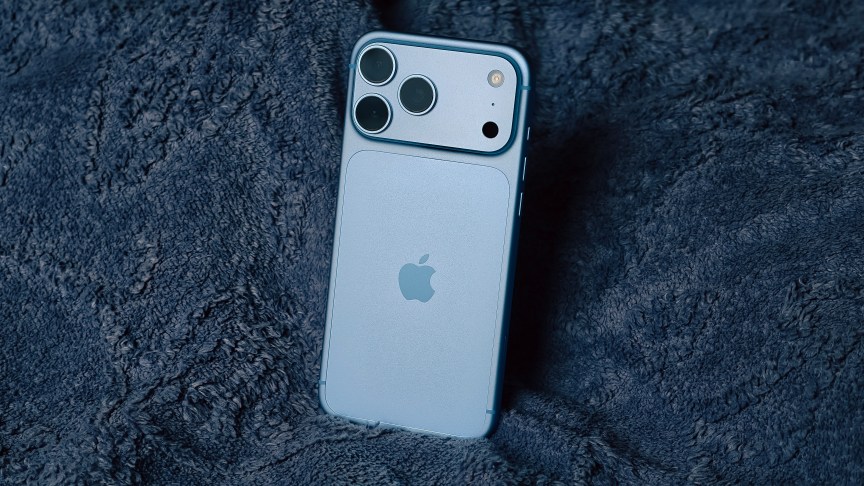
Japan was one of my bucket-list locations and I’m glad I took the iPhone 18 Pro Max with me. This is the most fun I’ve had with an Apple camera system in a long time. From the shrines in Kyoto to the riverside walk along the Sumida River in Tokyo, these cameras invited me to get more experimental. The film-like Photographic Styles, new manual controls and variable aperture helped me get more creative with my perspectives.
It took me more than 250 shots at a crossing in Osaka before I figured out which shutter speed was ideal for what occasion. Similarly, I experimented with my frames to find the best angles for the starburst effect in f/4. Then came the film simulations in Photographic Styles to stylize my shots within the Photos app. All of these new iPhone camera features give me a more analog feel, and I’m here for it.
The iPhone 18 Pro Max, thankfully, has the battery life to support my curiosity and slow learning pace. Through my trips last year, I had to carry a power bank with me, but the iPhone 18 Pro Max changed that. I’m more confident it will last through the day. While none of those camera features would appeal to casual users, the battery life enhancements and improved heat dissipation are tangible upgrades that would benefit everyone.

See full bio
Read the full article here