




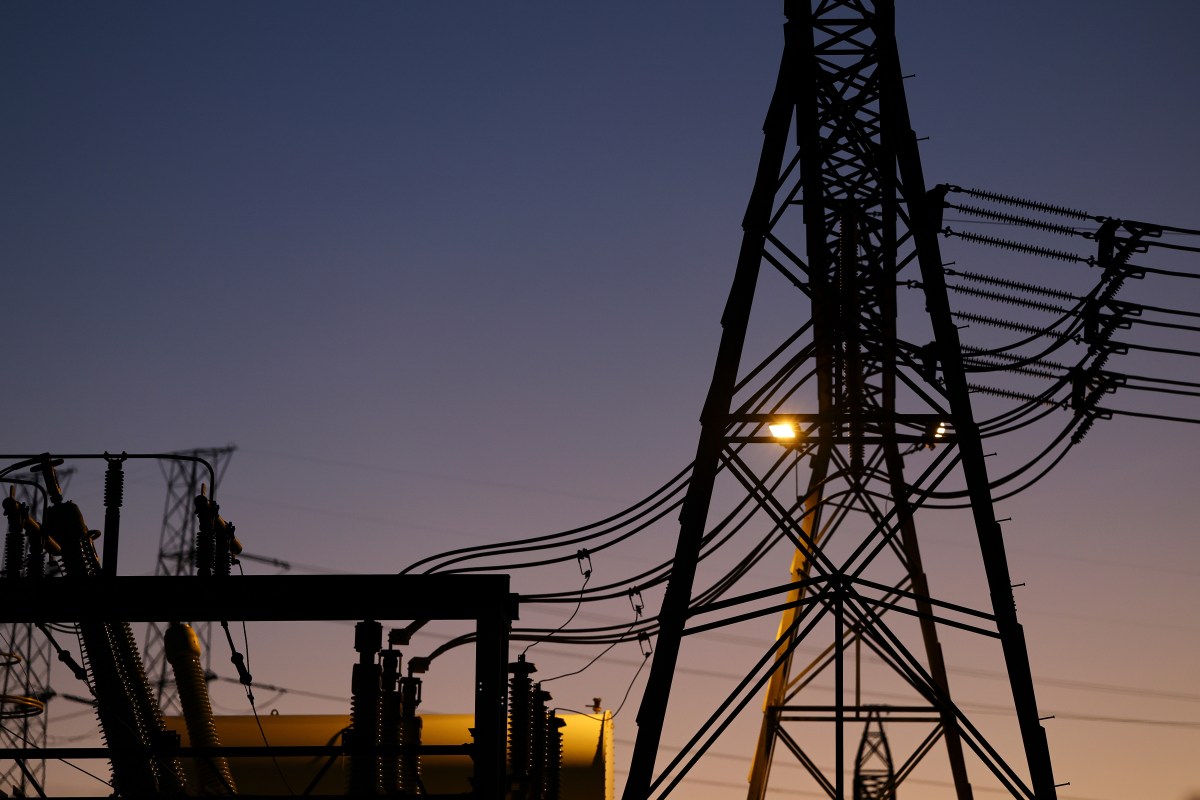
American households struggling to keep up with soaring electricity prices have had their power cut off millions of times in recent years because of unpaid bills, according to new data from the U.S. Energy Information Administration (EIA).
In 2024, the latest year for which comprehensive data is available, residential electricity customers across the U.S. had their service shut off almost 13.5 million times, according to the EIA. Texas alone reported more than 3 million of these disconnections—the highest number of power shutoffs in the nation.
This does not mean that 13.5 million households had their power cut off, as a single customer might have received multiple notices and faced several shutoffs. But the numbers shared by the agency are still concerning.
Electricity disconnections are often one of the earliest visible signs of financial strain in households, because utility bills are considered essential expenses and are typically prioritized alongside rent and food.
Experts say rising shutoff numbers suggest that more Americans are struggling to absorb higher energy costs at a time when electricity prices have been climbing faster than inflation in recent years.
With retail electricity rates still rising and now up by more than 5 percent compared with last year, many more households risk seeing the lights turn off in their homes.
How Much Are Americans Paying for Electricity?
Residential electricity bills have surged by 33 percent from 2019 through 2025, according to data from research center the Lawrence Berkeley National Laboratory. That was a higher increase than the one faced by commercial customers (up 26 percent) and industrial customers (up 27 percent). From 2024 and 2025 alone—after the time frame analyzed by the latest EIA report—residential electricity bills went up by 5 percent.
Residential electricity prices rose more slowly than natural gas, but faster than health, gasoline and grocery costs. Overall, within that same time frame, electricity prices nationwide rose faster than inflation, rising 5.6 percent in real inflation-adjusted terms in those six years, according to Lawrence Berkeley National Laboratory.
In Texas, the state which faced the most disconnections in 2024, electricity prices increased by 29 percent between 2020 and 2024, rising from 11.7 cents per kilowatt-hour to 15.1 cents, according to comparison site Electricity Plans, higher than the nationwide increase of 25 percent, from 13.15 cents per kilowatt-hour to 16.48 cents. The company expects electricity bills in the Lone Star State to rise by 3 to 5 percent from 2025 to 2026.
The expense of higher electricity bills has been compounded by higher housing costs—including mortgages, property taxes, home insurance, and homeowners association (HOA) fees—to place a significant financial burden on homeowners. One that many cannot bear, as shown by the latest EIA data.
The report found that electricity providers sent 94.9 million final notices to residential electricity customers, warning them that their power would be shut off.
“The high volume of final notices and disconnections serves as an indicator of household financial stress, as these actions are specifically triggered by an inability or failure to pay account balances,” Hannah Jones, a senior economist at Realtor.com, said in a statement.
“Because utility bills are essential recurring expenses, a rising trend in these figures can act as an early warning sign that families are exhausting their financial buffers.”
Are Higher Electricity Bills Here To Stay?
Americans’ demand for electricity is expected to continue growing in the coming years, according to the EIA, as data centers are expected to consume massive amounts of power to run. In a separate report, the agency estimated that the nation’s electricity consumption will rise nearly 40 percent by 2050.
Considering that electricity prices are still rising, it is likely that many Americans will continue struggling to pay their bills—and potentially face more shutoffs.
Texans are unlikely to see significant relief in electricity costs in the near term, according to estimates cited in the report.
The Texas Energy Poverty Research Institute, an Austin non-profit, estimates that the state’s electricity rates will increase another 29 percent through 2030, adding $35 to $40 per month to the average household’s bill.
Jones warns that these are usually telltale signs of deeper financial issues.
“Utility disconnections often occur before more severe housing distress, such as eviction or foreclosure, because utility companies may disconnect service much more quickly than the lengthy legal timelines required for housing-related displacement,” Jones said.
In 2024, the EIA reported 1.4 million residential electricity reconnections in 2024, roughly 2.1 million fewer than the number of shutoffs, signaling that some households never got back on their feet.
Read the full article here