


The Trump administration has sent additional federal agents to Texas in response to an increase in unlawful crossings on the southern border.
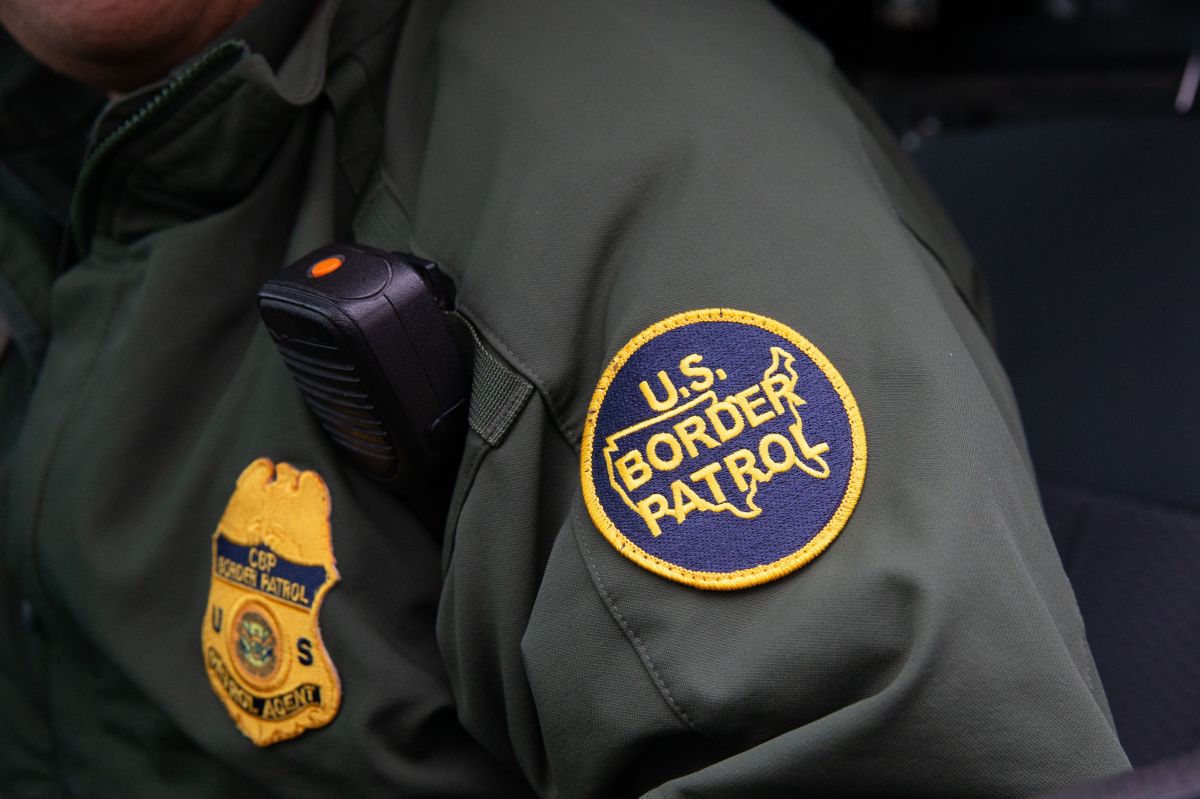
Officials with U.S. Customs and Border Protection (CBP), which falls under the authority of the Department of Homeland Security, have confirmed that agents were reassigned from other locations to strengthen border security measures in Laredo.
A CBP spokesperson told Newsweek, “CBP sent additional personnel to Laredo to continue to secure our border. That sector is bordered entirely by river, with no natural barriers to slow illegal crossings, which makes it a target when smuggling routes shift and evolve.”
Why Is DHS Sending Agents To The Southern Border?
It comes after The Daily Wire first reported that at least 200 Border Patrol agents from both the southern and northern borders are being reassigned on 30-day volunteer deployments to the Laredo, Texas sector to help address an influx of illegal crossings and pursue “gotaways,” individuals who evade apprehension from the U.S. Border Patrol on the U.S.-Mexico border.
It remains unclear at this stage how many gotaways have evaded authorities at the southern border, as these incidents are inherently difficult to track and record consistently, given their nature of avoiding detection.
CBP monitors gotaways using a network of ground sensors, surveillance cameras, and other detection technology deployed along the southern border. These systems are designed to detect and track movement across remote and high-traffic crossing areas, allowing agents to respond when individuals are identified entering the country outside of official ports of entry.
The move by the administration is intended to concentrate resources in regions where illegal crossings have become more frequent, particularly in areas lacking natural barriers.
The Trump administration has implemented stricter border enforcement policies that it says have contributed to a decline in migration. DHS have said unlawful crossings at the southern border have fallen to their lowest level in more than 50 years. The administration’s measures have coincided with a significant drop in apprehensions, following a period of higher border crossing levels under the Biden administration.
In an April press release, DHS said March saw reduced migration levels at the southern border, reporting 8,268 U.S. Border Patrol apprehensions along the southwest border. DHS added that this figure was 90% lower than the monthly average over the past 33 years and 97% below the peak recorded in December 2023 during the Biden administration.
How Many Illegal Border Crossings Were There?
The department also said March marked the 14th consecutive month with fewer than 9,000 southwest border apprehensions, with a daily average of 267, described by DHS as 95% lower than the daily average under the Biden administration.
According to the release, the daily number of apprehensions in March was lower than the hourly rate recorded at the height of the prior administration’s border surge.
“Eleven straight months of ZERO releases at the border. Under President Donald Trump’s leadership, we are delivering the most secure border in American history,” DHS Secretary Markwayne Mullin said in a press release. “The world knows America’s borders are closed to lawbreakers.”
“America First policies, real consequences, and a unified federal effort—backed by personnel, infrastructure, and technology—are how we’ve delivered the most secure border in U.S. history,” CBP Commissioner Rodney Scott said in a news release.
A 2024 fact sheet from the Republican-led House Homeland Security Committee said that nationwide encounters during the Biden-Harris administration exceeded 10.3 million, including more than 8.3 million at the southwest border. The committee also said those figures did not include an estimated 2 million “gotaways.”
Changes in Trump’s Second Term
Under the second Trump administration, some Border Patrol agents have been reassigned from the southern border to support immigration enforcement operations in major U.S. cities, including Los Angeles, Chicago, and Minneapolis, as part of the administration’s flagship deportation policy.
The federal government has also coordinated resources across multiple agencies, including components of the Department of Homeland Security, to support enforcement actions aligned with the president’s deportation agenda.
Border Patrol agents have faced a range of allegations, including claims of excessive use of force, racial profiling, and violations of due process rights in immigration enforcement encounters.
Read the full article here