



Long ago on the Indonesian island of Flores, Komodo dragons ate first, ripping into the flesh of cow-sized elephant kin and stripping their bones. Our tiny human relatives probably picked at the leftovers, researchers report July 3 in Science Advances.
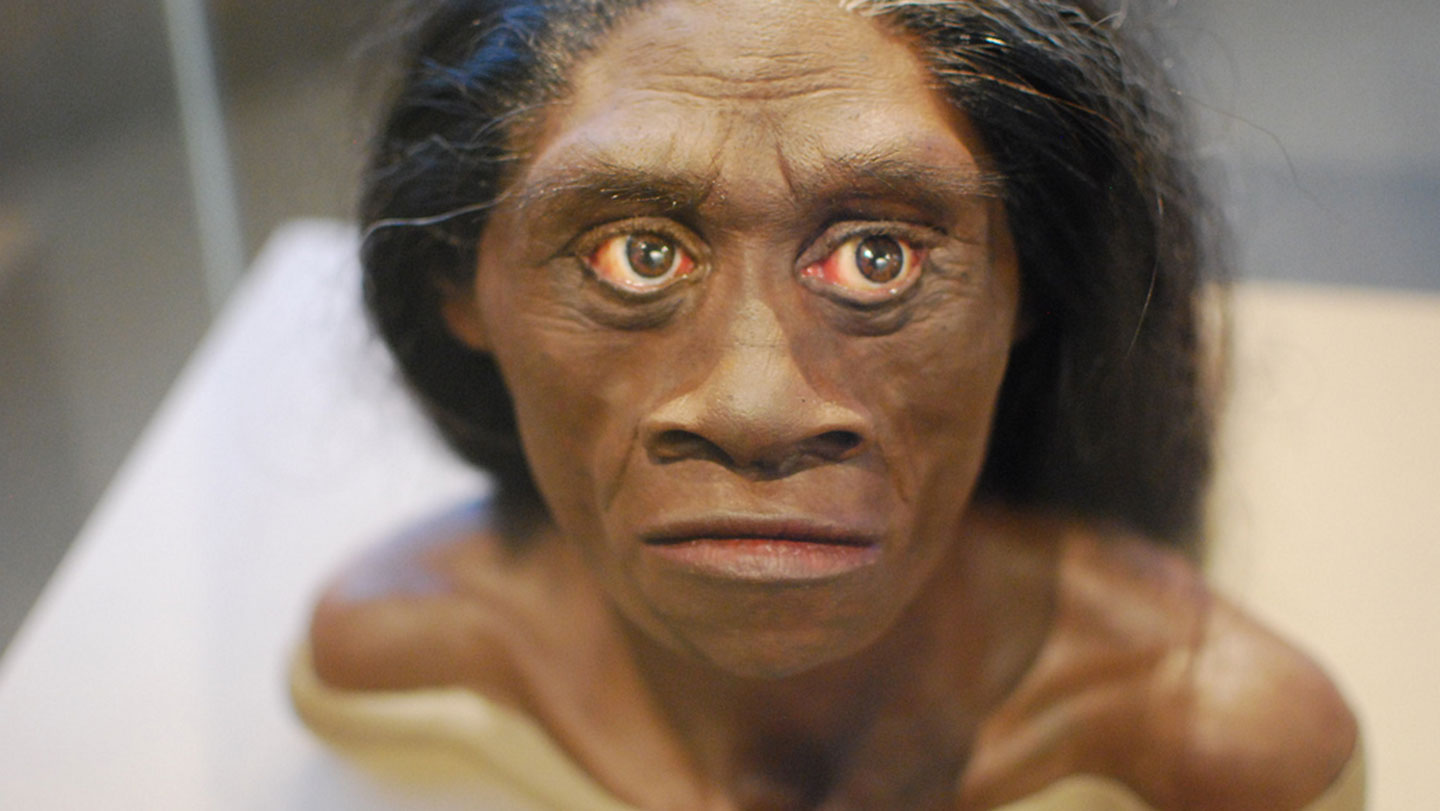
The new study challenges scientists’ understanding of the behavior of Homo floresiensis — extinct, one-meter-tall hominids nicknamed “hobbits.” It suggests the island’s small-statured residents didn’t hunt big game after all but instead scavenged some of their food. If so, that raises questions about H. floresiensis’ evolution and level of sophistication.
Tens of thousands of years ago, the island had both giants and dwarves. In isolation, local species of stork and rat grew to immense sizes. Three-meter-long venomous Komodo dragons stalked the hilly terrain. Other species evolved smaller sizes. These included the miniaturized elephant relative Stegodon florensis insularis — which was just 1.2 or 1.5 meters tall — and the hobbits, who disappeared around 50,000 years ago.
When H. floresiensis was first described more than 20 years ago from Liang Bua cave, purported cut marks on elephant bones and charred remains from other animals led some researchers to propose that the hominids had complex behaviors surprising for their small brain size: killing large prey and controlling fire. But researchers hadn’t yet done a systematic analysis of the bones to help confirm this idea.
Elizabeth Grace Veatch, a paleoanthropologist at the National Museum of Natural History in Washington, D.C., and her colleagues analyzed the marks on more than 3,000 fragments of ancient Stegodon bones from Liang Bua dating from 190,000 to 50,000 years ago. The researchers also fed goats to live Komodo dragons and analyzed the shape of tooth marks left behind on the bones using 3-D imaging. The marks on the Stegodon and goat bones were similar and didn’t look like cuts made by humans’ stone tools. There were also no impact marks on the ancient bones from spear tips.
Komodo dragons were the ones butchering the elephants, not the island’s diminutive hominids, the team concludes. Instead, any elephant meat H. floresiensis ate was probably scavenged from the leftovers.
“Komodo dragons typically consume nearly all edible soft tissues of their prey, sometimes leaving as little as around 12 percent of the carcass,” says Mika Rizki Puspaningrum, a vertebrate paleontologist at the Bandung Institute of Technology in Indonesia who was not involved with the study. Most of this is skin, bones and some internal organs. “This raises an interesting question about how much edible meat would actually have remained available for Homo floresiensis to exploit,” she says.
If there was any left, the meat was probably eaten raw. Veatch and her colleagues analyzed nearly 7,000 rodent skeletal fragments for signs of burning, because their remains — littering the ground in the cave — would have been exposed to the hominids’ fires. But none were charred.
If the hobbits weren’t killing big prey and making fires, then they may have evolved from a species that also hadn’t developed those skills, adding another question mark to the ever-changing picture of early human evolution.
Read the full article here