




Trending slogans online might read that “2026 is the new 2016,” but no one expected nostalgia for the decade’s pop culture and style quirks to align with its most recognizable social media platform staging a comeback.
Before TikTok—which has 1.9 billion users—there was Vine, a short-form video app where users could share up to 6-second-long clips. Some of those users went on to become big influencers, now dominating other social media platforms, while Vine’s best-loved clips were viewed all around the world. But five years after being sold to X (then Twitter), Vine was discontinued—and two years after that, its archive of viral content, lost.
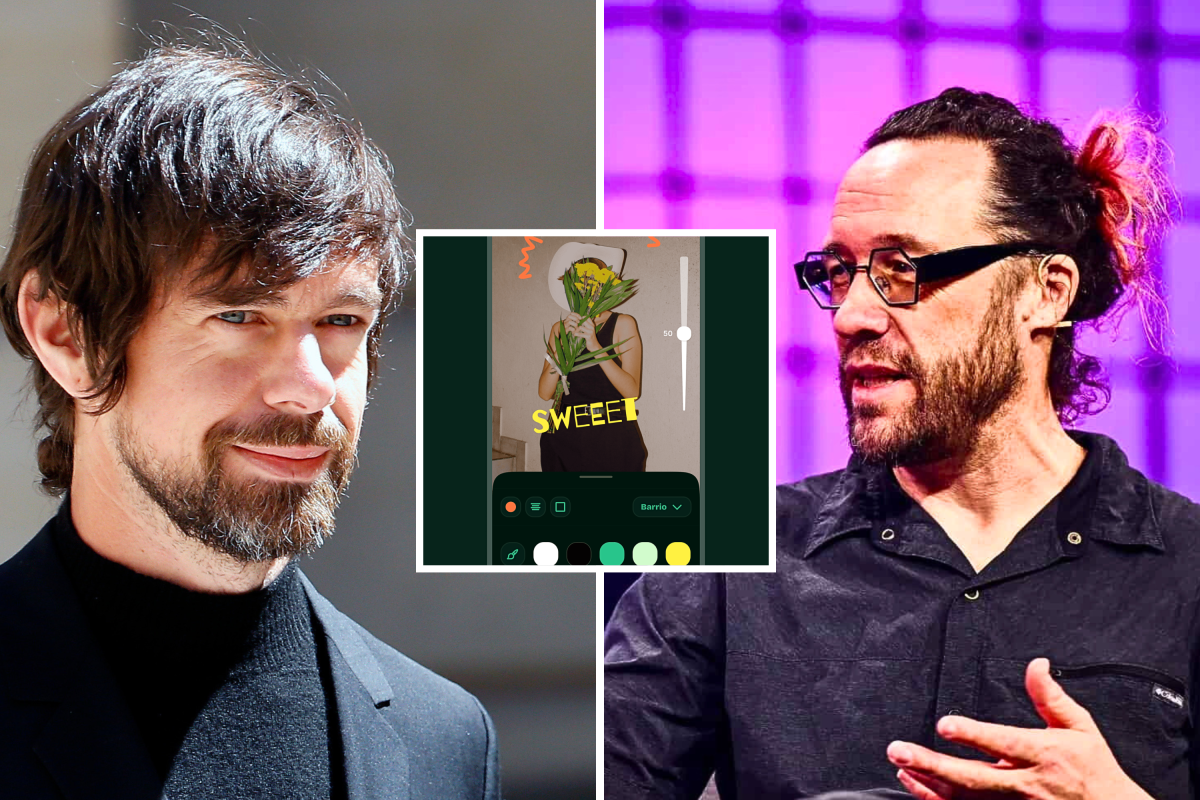
After months of development, Evan Henshaw-Plath, one of Twitter’s first staffers and central to the platform’s rise, has launched diVine, Vine’s successor, along with the support of longtime collaborator Jack Dorsey, Twitter’s former CEO and serial entrepreneur.
DiVine: The Revival of Vine
The spark for diVine, Henshaw-Plath—known widely as Rabble—told Newsweek, was born out of frustration at the spread of AI-generated content on today’s most popular social media platforms.
“The idea came from my annoyance at seeing videos and not knowing if they are real,” he said, speaking from Dorsey’s California home, though he is ordinarily based in New Zealand. “You click on comments and the top voted one is that it’s AI.
“And then you realize you have gamed the algorithm into showing you more AI content because you are clicking and engaging!”
That irritation sent him on a deep dive into the technical literature of content authentication.
Tackling the Threat of Deepfakes
He found that researchers at major companies and colleges had built robust tools in response to the deepfake threat. The emerging standard, called C2PA, creates a verifiable paper trail from the moment footage is captured on a camera, resulting in a digital watermark embedded in its metadata.
Henshaw-Plath knew that while Vine’s archive had ostensibly vanished, the Internet Archive held a vast, intact copy that was simply inaccessible. Two threads quickly became one idea; an app that could restore approximately 500,000 Vine clips as a monument to the pre-algorithmic, pre-AI social media experience, while building new infrastructure to ensure authentic human content going forward.
DiVine’s six-second limit, deliberately retained from Vine’s format, is not nostalgia for its own sake.
“It reminded me of introducing Twitter,” he said. “People said, ‘this is absurd, I only have 140 characters to say something.’
“And it turns out those constraints were really useful; it’s the video version of a haiku.”
Jack Dorsey, Nostr and the Building of diVine
DiVine is built on Nostr, an open-source protocol championed by Dorsey that works, Henshaw-Plath said, like podcasting.
It is a decentralized infrastructure on which developers can build competing and compatible apps without seeking permission from any central company. That philosophy is a direct corrective to how Henshaw-Plath and Dorsey made Twitter, by building a corporation instead of an internet protocol.
The move is something that Dorsey, now 49, calls a founding mistake.
“We’re part of a community that said we want a reset,” Henshaw-Plath said. “We wanted to fix this mistake that led to a few companies dominating the world.”
That means diVine is engineered around a set of user rights unusual in contemporary social media.
“Think of it this way, when you create a podcast, you can change podcast hosts,” he added. “But you can’t take your Instagram name and followers with you.”
Lessons and Successes From Twitter
The parallels between diVine’s launch and the early days of Twitter are clear to Henshaw-Plath.
He recalled Dorsey standing up in a 10-person office, inviting the team to sign up to the app now called X. All of them did, unaware anything significant would happen.
“We had no idea it would be something that billions use,” Henshaw-Plath said. “We were building it for ourselves, for our friends. And, you know, Twitter was really different when you knew all users on Twitter!
“That’s when the users were like, ‘I think I want to put an @ in front of the username,’ and when [Silicon Valley product designer] Chris Messina was like, ‘I think we should add a pound symbol and call it a hashtag to categorize information,'” he added. “And then someone else was like, ‘I want to take your tweet and repost it.’
“We realized that the innovation of Twitter came from its users, and what we’re seeing with diVine is very similar.”
Former Vine Influencers Stand Ready
What has perhaps surprised Henshaw-Plath most is the warm response from original creators whose careers Vine helped launch. After word spread about Vine’s comeback, his direct messages filled with requests from major stars.
Lele Pons, one of Vine’s biggest names, now on Instagram under @lelepons with more than 53 million followers, reached out personally asking for early access. The conversations that followed—extended calls to understand how creators experienced Vine and what they want from diVine—revealed that the Vine’s hold on them remains deep.
“They’re not like, ‘Oh, that was way back in my career,'” Henshaw-Plath said. “It’s, ‘No, Vine was really important.’
“…I can hear excitement in making new videos, of being able to reclaim a past that existed before an era of Donald Trump, Cambridge Analytica, algorithms and doomscrolling.”
Read the full article here