




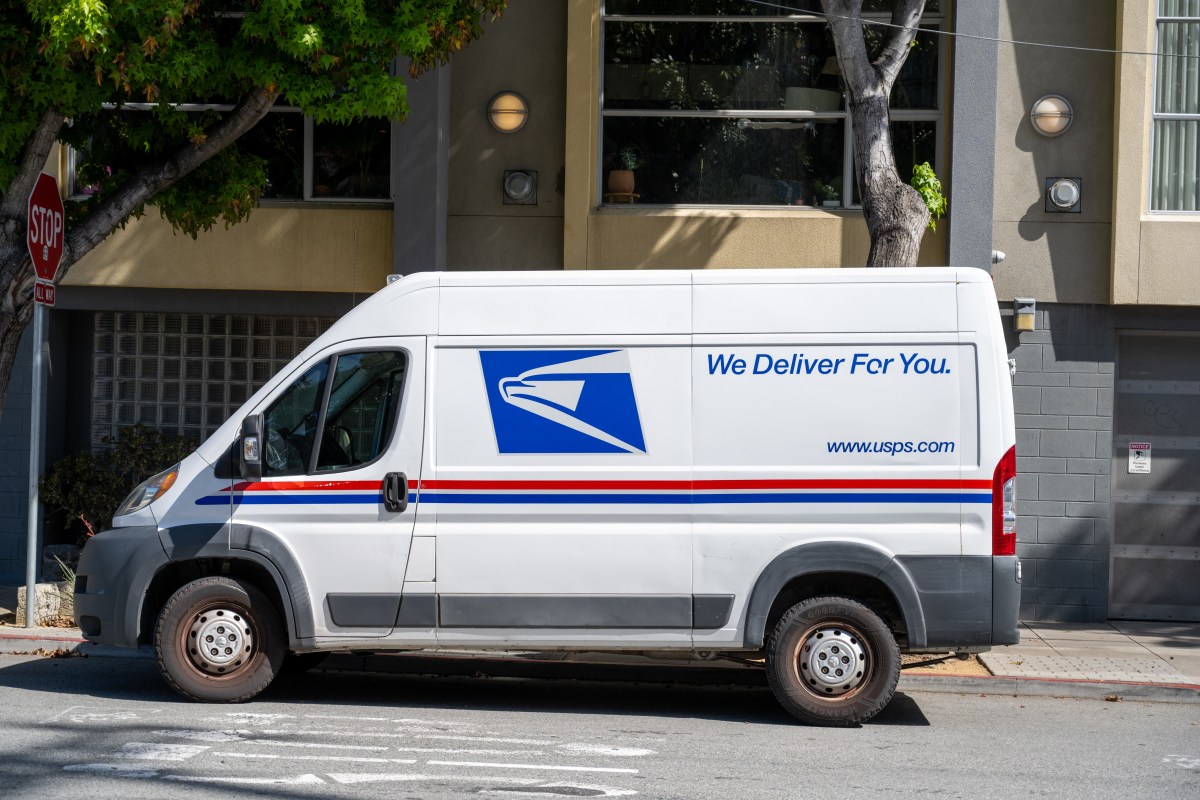
A growing petition opposing major changes to the U.S. Postal Service (USPS) has drawn tens of thousands of signatures, as the agency warns it is facing a serious and worsening cash shortfall.
The warning follows USPS reporting a net loss of nearly $2 billion for the three months ending March 31. Postmaster General David Steiner previously told The Associated Press that without congressional intervention or major funding reform, the agency could struggle to pay vendors and employees as early as next February.
“It’s not just the essentials that are on the line—medications, food, legal documents, and even voting ballots and reminders,” reads the petition, which has garnered nearly 88,000 of the targeted 100,000 signatures as of Sunday.
Newsweek has contacted USPS through its website for comment.
What’s at Stake for Millions of Americans
The petition comes as President Donald Trump eyes an overhaul of USPS, a primarily self-funded agency which remains one of the largest logistics networks in the U. S.—employing around 600,000 people and handling over 100 billion pieces of mail each year.
Last year, the president voiced support for bringing the independent agency under executive control—specifically the umbrella of his Commerce Department—in an effort to address its longstanding financial difficulties, having also signaled backing for its eventual privatization.
The agency itself has rejected such proposals, with Steiner telling employees in July that he did not believe the USPS “should be privatized or that it should become an appropriated part of the federal government.”
How the Postal Service Reached This Point
The petition was launched by the progressive advocacy groups MoveOn and Rural Organizing. It notes that the USPS serves millions of addresses across the U.S., including less accessible, rural communities that private carriers either avoid or charge extra for deliveries.
“The ability to get the goods you need and stay in contact with the people you love should not depend on where you live or how much money you have,” it reads. “But in Trump’s world, it would—and rural people would be the ones who would have their mail delivery stripped from them by Trump.”
The petition has been amassing signatures since last year, but the agency’s fiscal issues date back decades and have been a frequent focus of lawmakers.
In March, the postmaster general told members of the House Oversight Committee that the agency needed to “cut costs and increase revenue” in order to remain functional beyond next February. Steiner said several cost-cutting measures had been put in place, but that more help was needed to ensure it can meet its required payments.
He suggested that Congress provide the USPS with more funding, expand its borrowing authority, or grant the agency greater flexibility to shut unprofitable post offices, cut down delivery days and raise mail prices.
“What I’ve said is that we are in a crisis and when you’re in a crisis, everything has to be on the table,” he said.
In April, USPS said it was seeking to raise the price of first-class mail stamps to 82 cents from 78 cents from July 12.
However, some lawmakers have doubted whether the efforts proposed by Steiner would fix the agency’s structural issues. House Oversight Committee Chair James Comer pointed to the bipartisan Postal Service Reform Act, signed into law in 2022, which wiped tens of billions of dollars from its balance sheet and was aimed at stabilizing the agency’s finances.
“Everything that you’re talking about today, we did five years ago,” Comer said.
Signs of Revival
Despite revealing a significant net loss, USPS reported a slight uptick in operating revenue for the quarter which ended on March 31, which it attributed to price increases for certain services.
“During the quarter we were able to get revenue, cost and service results moving in the right direction,” Steiner said in a statement. “However, the scale of our financial improvements compared to the prior year was modest and we have a long road to go to achieve anything close to long-term financial sustainability.”
Read the full article here